
Animals Coloring Library
Dive into the captivating world of wildlife with our premium collection of animal coloring pages. Curated by educators, these engaging resources offer more than just creative fun; they are a gateway to discovery, fostering vital developmental skills and a love for the natural world.
Get the Animals bundle!
543 worksheets for $4.99
Or get individual sheets — completely free.
View bundle details


Browse by Theme

Ducklings
42 Sheets

Roosters
38 Sheets
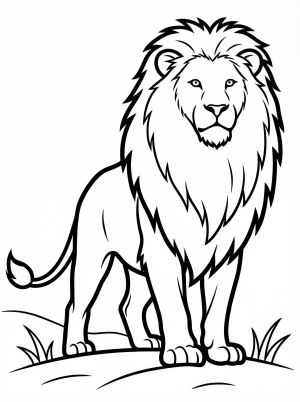
Lions
37 Sheets
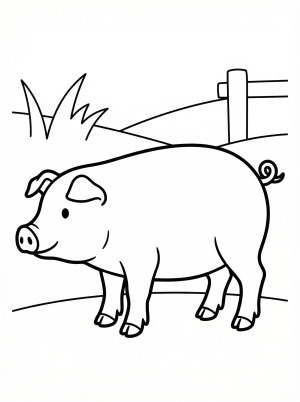
Pigs
36 Sheets
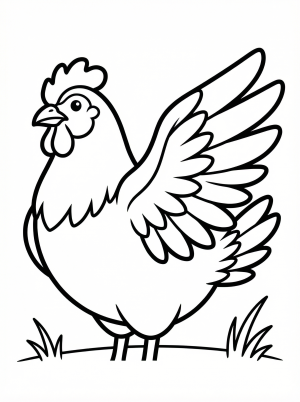
Chickens
35 Sheets
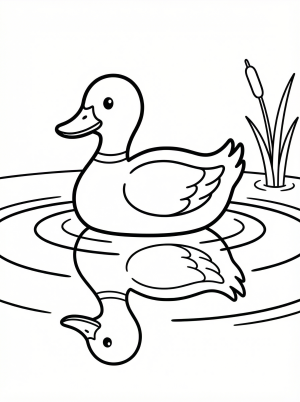
Ducks
33 Sheets
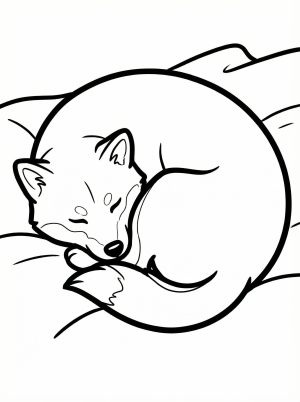
Sleeping Dogs
28 Sheets
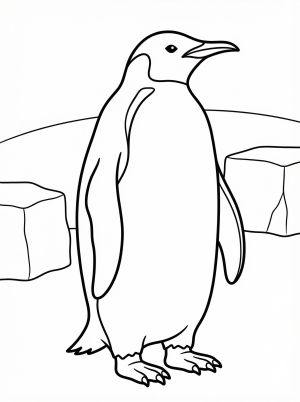
Penguins
26 Sheets
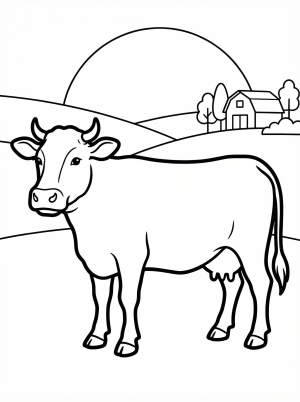
Cows
25 Sheets
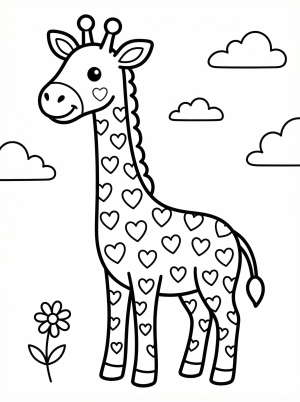
Giraffes
20 Sheets
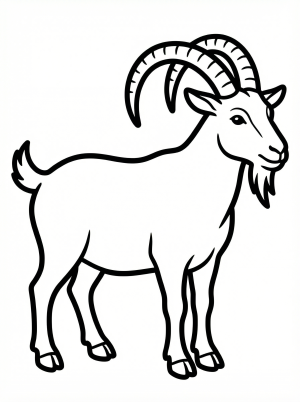
Goats
20 Sheets
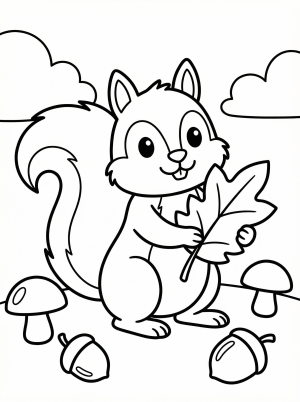
Squirrels
19 Sheets
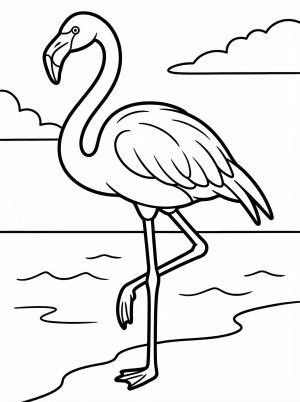
Flamingos
17 Sheets

Axolotls
17 Sheets

Sharks
15 Sheets
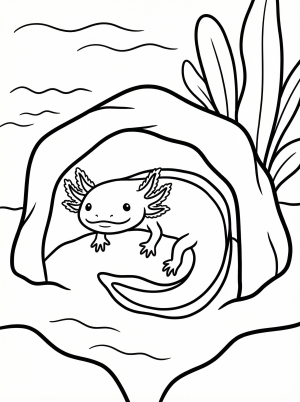
Cute Axolotls
14 Sheets
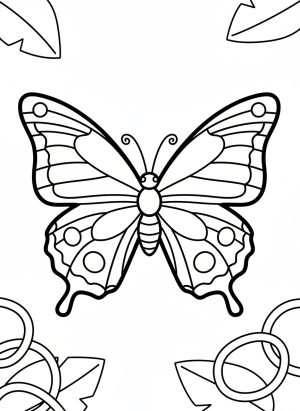
Butterflies
13 Sheets
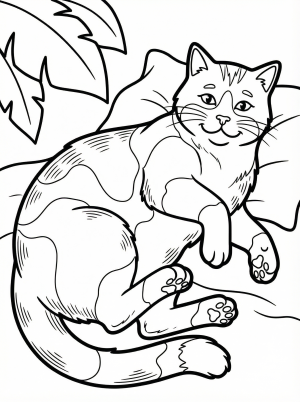
Cats
12 Sheets
Foxes
10 Sheets
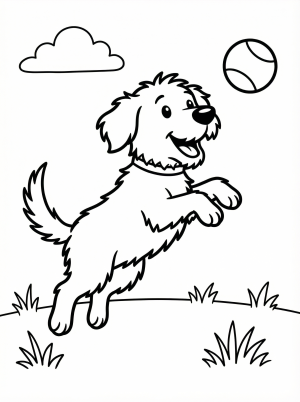
Dogs
9 Sheets
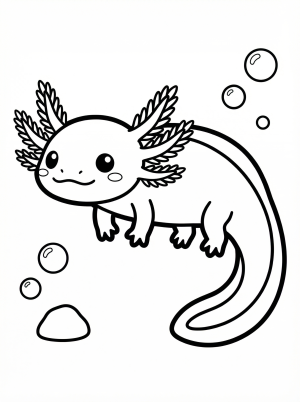
Kawaii Axolotls
9 Sheets
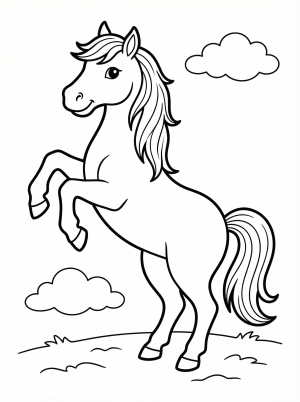
Horses
8 Sheets
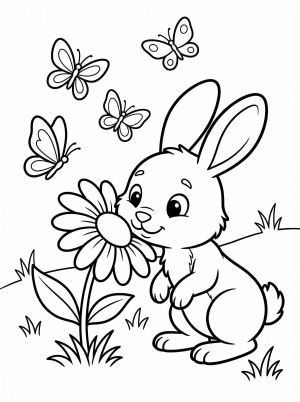
Bunnies
8 Sheets
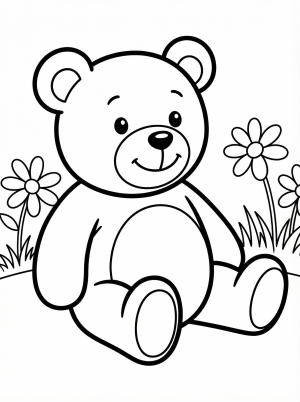
Bears
8 Sheets
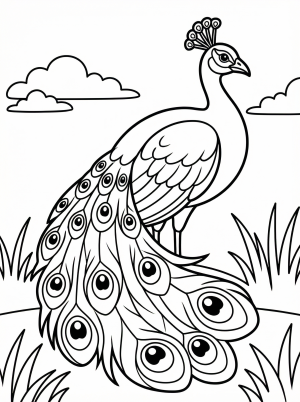
Peacocks
8 Sheets
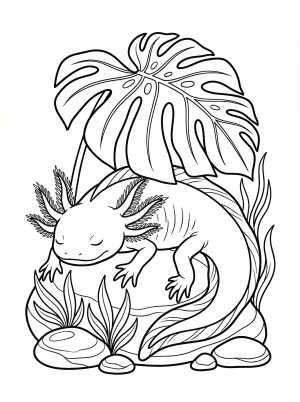
Sleeping Axolotls
7 Sheets

Dragons
6 Sheets
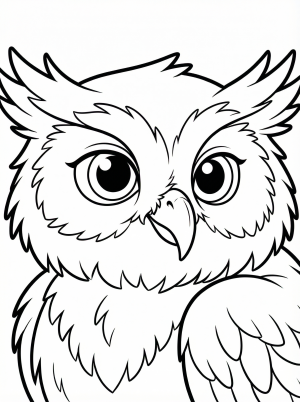
Birds
6 Sheets
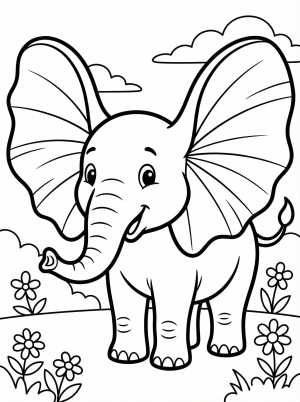
Elephants
6 Sheets
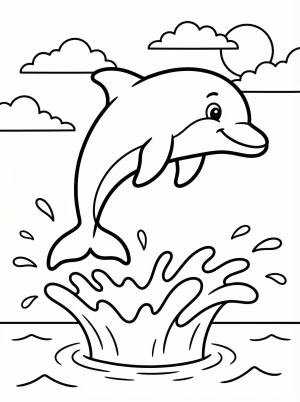
Dolphins
4 Sheets
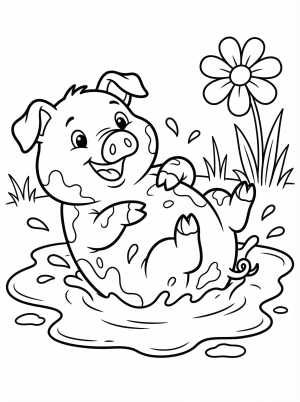
Farm Animals
4 Sheets
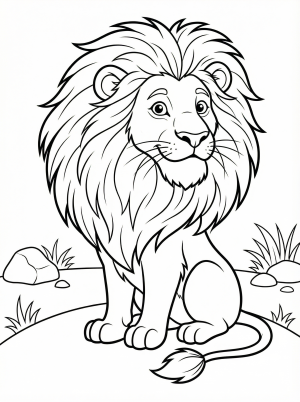
Zoo Animals
4 Sheets
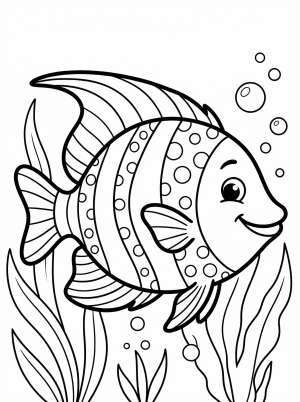
Fish
2 Sheets
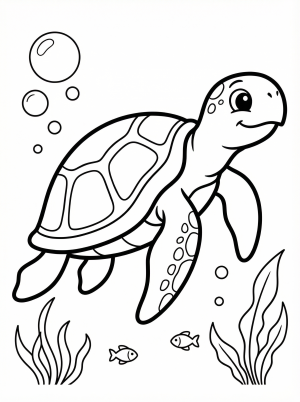
Turtles
1 Sheet
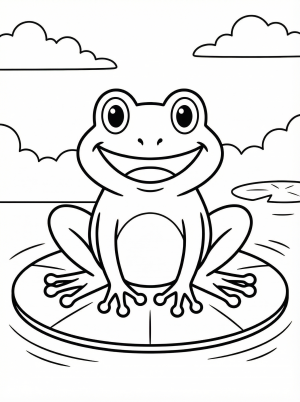
Frogs
1 Sheet
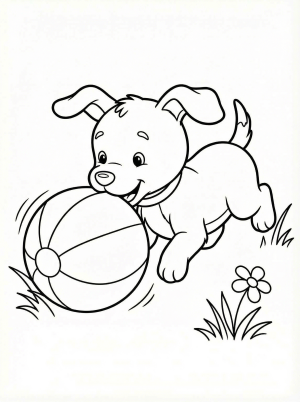
Puppies
1 Sheet
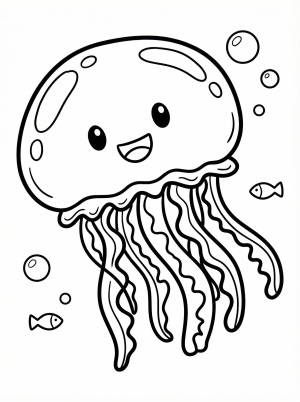
Jellyfish
1 Sheet
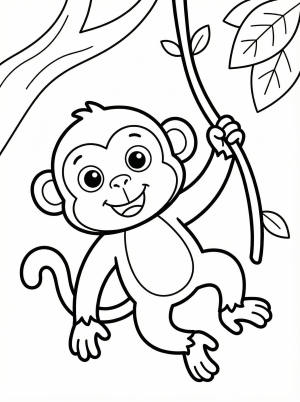
Monkeys
1 Sheet
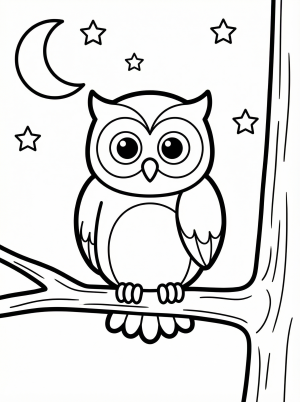
Owls
1 Sheet
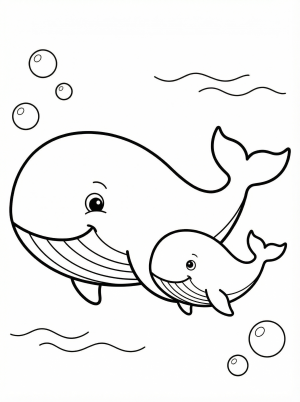
Whales
1 Sheet


Expand your creative possibilities
Explore thousands of other premium educational resources within our global archive.
Educator's Guide to Animals Coloring Pages
The Educational Power of Animals Our extensive collection of animal coloring pages provides a rich educational foundation for children of all ages. Beyond the joy of artistic expression, these resources serve as powerful tools for cognitive and motor skill development. Engaging with animal themes naturally fosters curiosity about the natural world, prompting questions about species, habitats, and behaviors. Children refine their fine motor skills and hand eye coordination as they meticulously choose colors and stay within lines, preparing them for writing and other complex tasks.
Furthermore, animal coloring pages are excellent for introducing foundational scientific concepts. Children can explore zoological classification by distinguishing between mammals, birds, reptiles, amphibians, and fish. They learn about diverse ecosystems, from the bustling savanna to the deep ocean, understanding how different animals adapt to their environments. This early exposure cultivates a scientific mindset and encourages observation. These pages also promote emotional development by fostering empathy for living creatures and raising awareness about conservation, instilling a sense of responsibility towards wildlife protection. They are a gentle yet effective way to connect children to the intricate web of life on Earth.
Classroom & Home Learning Ideas Maximize the learning potential of our animal coloring pages with these dynamic activities. First, integrate them into habitat diorama projects. After coloring various animals, children can cut them out and place them within shoebox dioramas representing forests, deserts, or oceans. This activity reinforces learning about ecosystems and animal placement. Second, use the pages as a visual foundation for animal research projects. Assign each child an animal to color and then research its diet, habitat, and unique characteristics, presenting their findings alongside their artwork.
Third, inspire creative storytelling and imaginative play. Encourage children to invent stories featuring their colored animals as characters, developing narrative skills and expanding vocabulary. Fourth, facilitate animal classification games. Print multiple copies and have children sort the colored animals into groups based on shared traits such as diet, number of legs, or whether they lay eggs. These interactive approaches transform simple coloring into comprehensive educational experiences.
Artistic Development Our animal coloring pages are exceptional resources for nurturing artistic development. Encourage children to experiment with color blending to create realistic fur textures, scaly skins, or vibrant plumage. Teach them how to use different shades of a single color to add depth and dimension, bringing their animal illustrations to life. Introduce various art mediums, explaining how crayons, colored pencils, and markers each offer unique effects and challenges.
Discuss the concept of light and shadow and how subtle shading can make an animal appear three dimensional. Encourage children to observe real animals or high quality photographs to understand anatomical structures and natural color variations. This practice enhances observational skills and promotes a deeper appreciation for biological diversity. Ultimately, these pages provide a canvas for children to develop their unique artistic voice and express their creativity while learning about the animal kingdom.
Expert Teaching Tips
- 1Before coloring, encourage children to research the actual colors, habitats, and unique characteristics of the animal they have chosen, fostering a connection between art and science.
- 2While coloring, engage in discussions about animal facts, sounds, and movements, turning the activity into an interactive learning session about biology and zoology.
- 3Prompt children to observe and replicate specific details like patterns, textures, and fur directions, which significantly enhances their observational skills and artistic precision.
- 4Integrate these coloring pages into broader science units or storytelling activities, allowing children to use their finished artwork as visual aids for presentations or narrative creations.
- 5Display the completed animal artworks prominently, perhaps grouped by habitat or species, and encourage children to add their own descriptive captions, reinforcing their learning and pride.
Our Quality Commitment
We personally print and test every animals design. We guarantee crisp, bold lines optimized for 8.5" x 11" paper.