
Penguins Coloring
Embark on an educational journey to the coldest corners of our planet with our meticulously crafted penguin coloring pages. These captivating resources offer more than just artistic expression; they are gateways to understanding the unique biology, habitats, and behaviors of these beloved aquatic birds, perfectly blending fun with foundational learning.
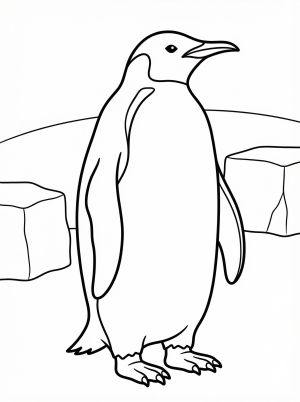
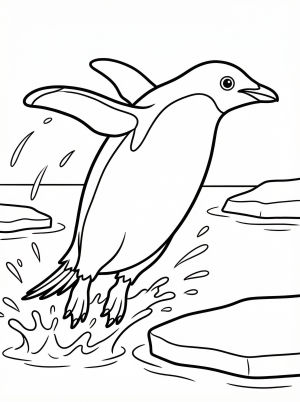
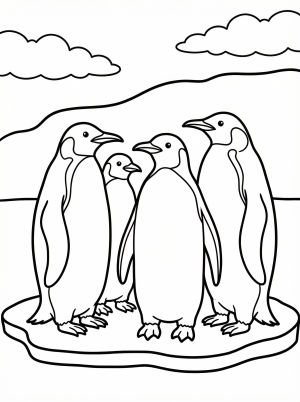
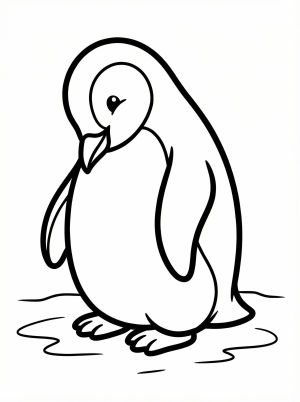
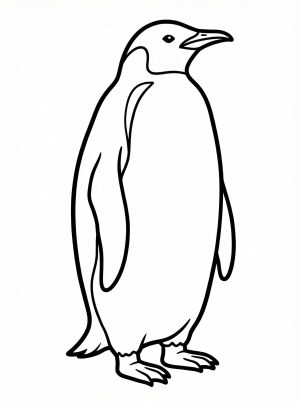
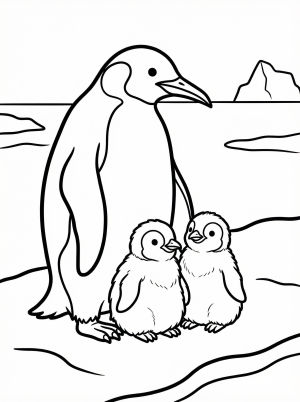
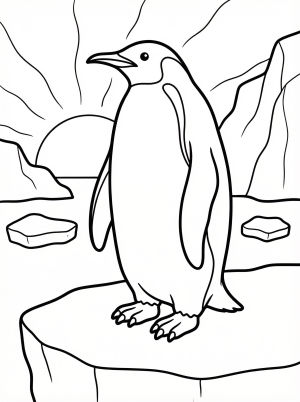
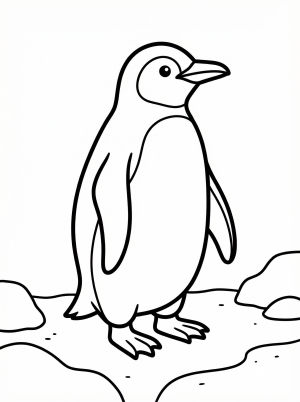
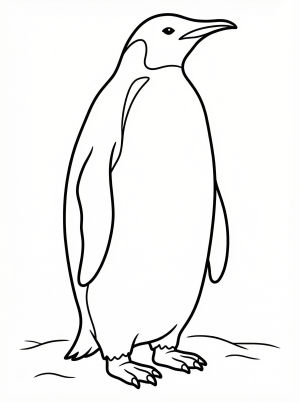
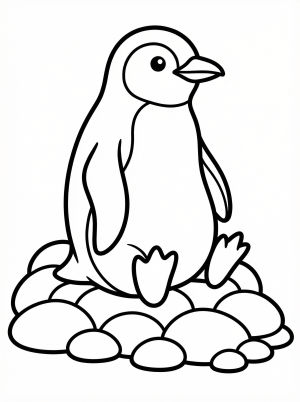
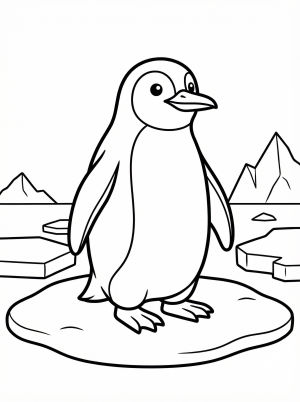
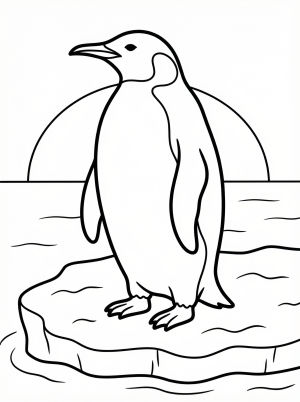
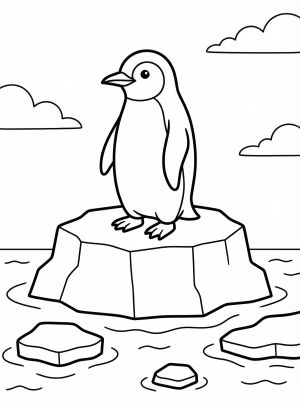
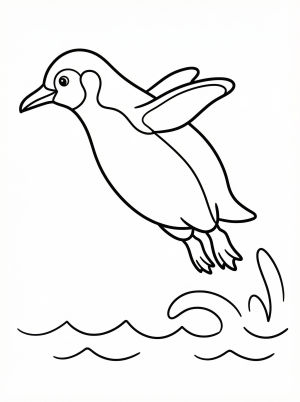
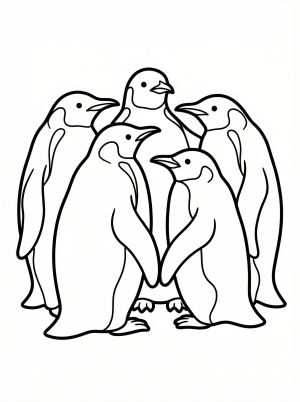
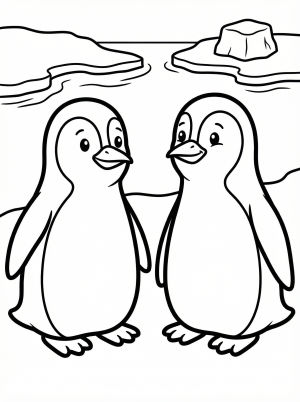
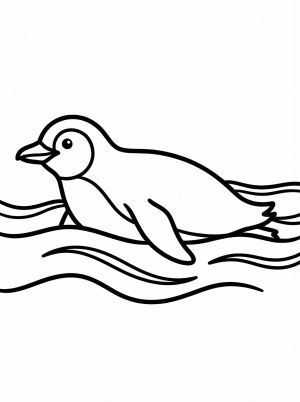
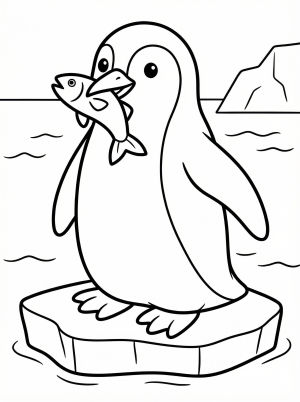
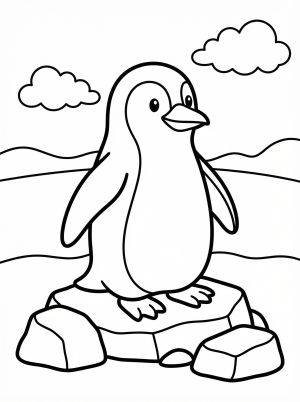
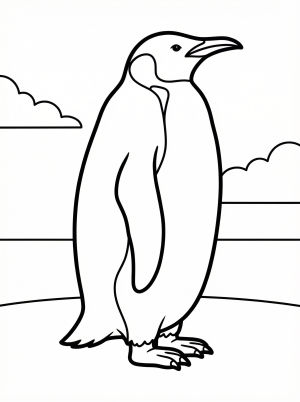
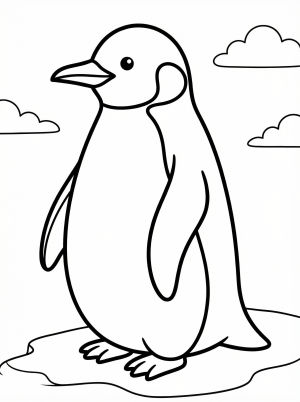
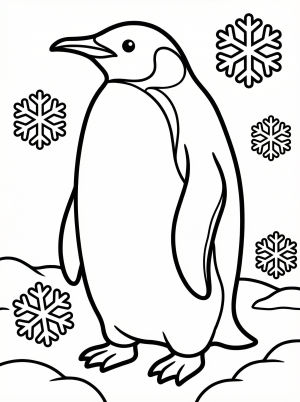
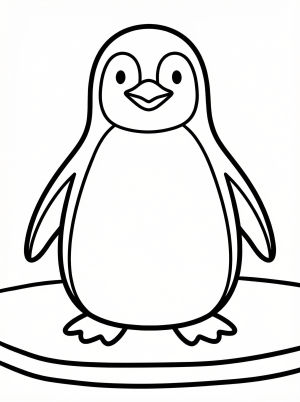
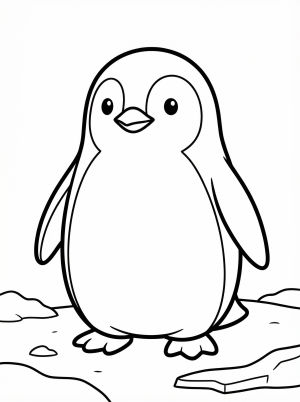
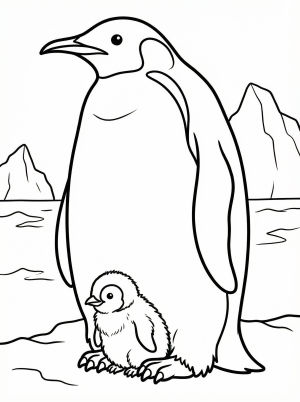


Educator's Guide to Penguins Coloring Pages
The Educational Power of Penguins Penguins capture the imagination of learners young and old, serving as incredible ambassadors for understanding adaptations and biodiversity in Earth's polar regions. Their unique physiology, including dense waterproof feathers, a thick layer of blubber, and powerful flippers, allows them to thrive in frigid marine environments. Exploring these characteristics through coloring helps children internalize facts about animal survival and ecological niches. From the majestic Emperor penguin navigating vast ice shelves to the playful Adélie penguin diving for krill, each species offers a distinct lesson in natural history and geographical distribution. Engaging with these detailed illustrations reinforces knowledge about animal science, fostering a genuine curiosity about wildlife and conservation. Furthermore, the act of coloring itself significantly contributes to developmental milestones, enhancing fine motor skills, improving hand eye coordination, and strengthening concentration, all while stimulating creativity and color recognition.
Classroom & Home Learning Ideas Beyond merely filling in outlines, these penguin coloring pages can become dynamic tools for rich educational experiences in both classroom and home settings. One engaging activity involves using the completed pages to create a 'Penguin Parade' diorama, where children can arrange their colored penguins in a habitat they design with construction paper, cotton balls representing snow, or other craft materials, thereby integrating art with environmental studies. Furthermore, teachers might consider a 'Penguin Species Identification' game; after coloring, students can research specific penguin species and label their artwork with accurate names and interesting facts, transforming the page into a mini research project that sharpens research and literacy skills. Another creative approach is to use the colored penguins as puppets for storytelling, encouraging imaginative play, verbal communication, and narrative development as children narrate adventures set in polar regions or tell stories about penguin families. Finally, parents can integrate these pages into a geography lesson by locating penguin habitats on a world map, discussing climate zones, the Earth's axis, and the critical importance of protecting these vulnerable ecosystems and their inhabitants.
Artistic Development Mastering the art of coloring penguins involves more than just filling in predefined lines; it presents an excellent opportunity for young artists to explore texture, shading, and visual realism. Encourage children to use varying pressures with their coloring tools to represent the glossy, waterproof appearance of a penguin's feathers versus the softer, downy look of a chick’s plumage. For instance, a light, even stroke can create the smooth look of the chest, while slightly more pressure or short, feathery strokes can indicate the denser, darker plumage on the back and flippers. Experimenting with a range of black, white, and gray tones, alongside subtle blues or grays for shadows, can add remarkable depth and three dimensionality to the artwork, moving beyond flat, two dimensional representations. Children can be guided to observe real penguin photographs to understand how light falls on their bodies, helping them to mimic these natural shadows and highlights on their pages, thus enhancing their visual perception, observational skills, and overall artistic proficiency.
Coloring Tips & Techniques
- 1Discuss various penguin species and their unique traits while coloring.
- 2Encourage children to use shades of black, white, and gray to create depth and realism.
- 3Suggest using completed pages to create a 'Penguin Fact File' with researched information.
- 4Integrate the coloring activity with a geography lesson, pinpointing penguin habitats on a map.
- 5Focus on meticulous coloring within lines to enhance fine motor skills and attention to detail.
Our Quality Guarantee to Educators
We believe classroom resources should be high-quality and stress-free. Every worksheet on WorksheetSource is personally printed and tested by our team to ensure it fits standard 8.5" x 11" paper with clean, sharp outlines.
Frequently Asked Questions
What makes penguins unique among birds for kids?
Penguins are flightless birds expertly adapted for life primarily in water, unlike most other birds. Their streamlined bodies, powerful flippers, and waterproof feathers make them exceptional swimmers and divers, allowing them to hunt fish and krill with remarkable agility. They also have a distinctive upright waddle on land and live in large colonies, exhibiting fascinating social behaviors that are rare in the avian world and truly captivating for children to learn about.
How do these help with development?
These coloring pages significantly aid developmental growth by enhancing crucial fine motor skills and hand eye coordination as children carefully color within specified lines. They also foster vivid color recognition, stimulate creativity and imagination, and provide an engaging visual aid for learning about animal science, geography, and biodiversity, collectively building a strong foundation for cognitive growth, scientific literacy, and artistic expression.
Penguins Coloring in English