
Nature Coloring Library
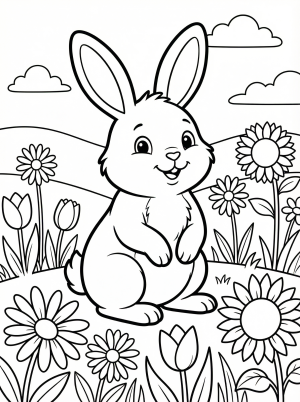
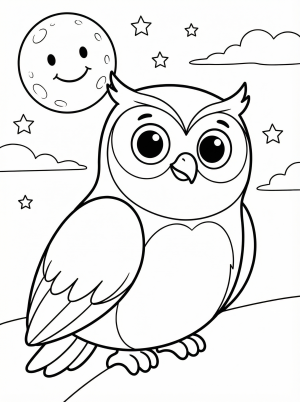
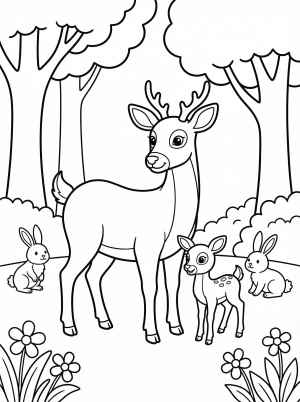
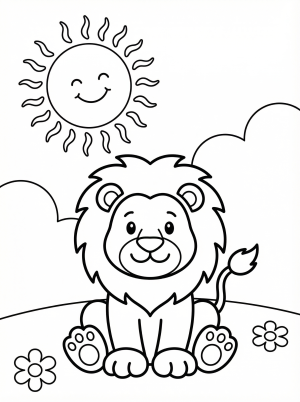
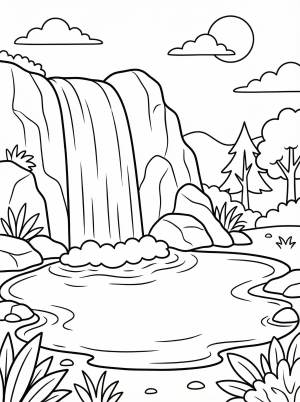
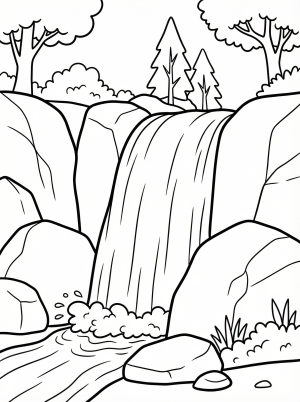
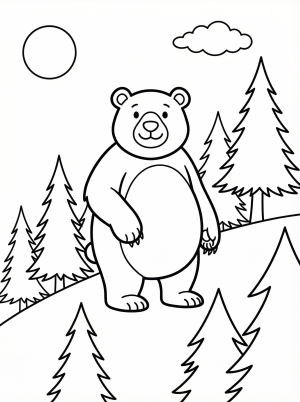
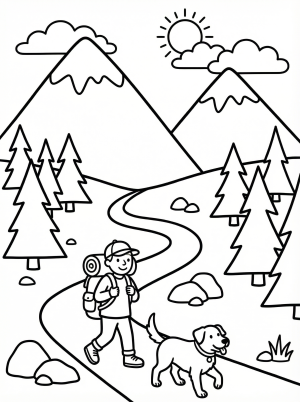
Step into the vibrant world of our nature and outdoors coloring pages, where imagination meets environmental discovery. This curated collection transforms simple coloring into a powerful tool for learning about biodiversity and the natural world, offering countless opportunities for growth and exploration.
Get the Nature bundle!
49 worksheets for $2.99
Or get individual sheets — completely free.
View bundle details




Browse by Theme





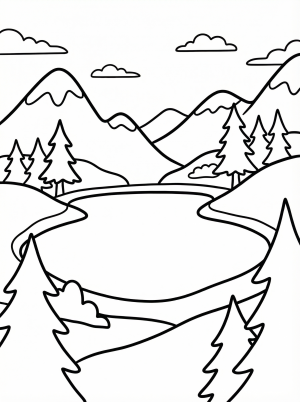

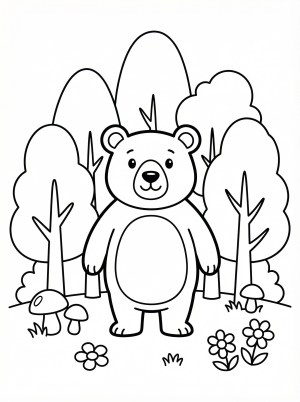
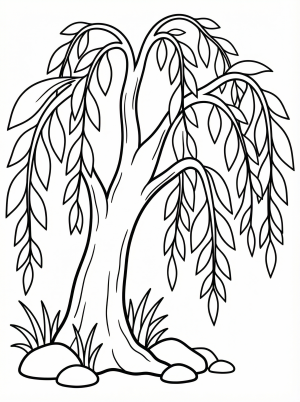
Expand your creative possibilities
Explore thousands of other premium educational resources within our global archive.
Educator's Guide to Nature Coloring Pages
The Educational Power of Nature & Outdoors Coloring Pages Nature and outdoors coloring pages transcend mere recreational activity; they serve as a profound educational gateway, inviting children to explore and understand the intricate beauty of our planet. Engaging with these sheets allows young learners to delve into ecological principles, fostering an early appreciation for biodiversity and environmental stewardship. Children naturally begin to recognize different animal species, plant life cycles, and diverse geographical features such as forests, mountains, and oceans. Furthermore, the act of precise coloring significantly refines essential developmental skills including fine motor control, hand eye coordination, and spatial awareness, all crucial foundations for academic tasks like handwriting. Beyond physical dexterity, this activity promotes acute observation skills as children notice the unique patterns on a butterfly's wing or the texture of tree bark, thereby enhancing their understanding of color theory and artistic expression. Moreover, it offers a calming, mindful experience, reducing stress and encouraging sustained focus, which are invaluable benefits in today's fast paced world.
Classroom & Home Learning Ideas Integrating nature and outdoors coloring pages into learning environments extends far beyond simple artistic endeavor, transforming them into dynamic educational tools. One highly effective application involves using these pages as a springboard for scientific inquiry; students could be encouraged to research the specific animal or plant depicted, subsequently labeling its parts or writing a brief informational report about its habitat and unique characteristics. Another engaging strategy is to incorporate these colored pages into a personalized nature journal; children can color a particular species and then seek it out during an outdoor walk, documenting their real life observations and comparing them to their artistic renditions. Teachers and parents might also utilize these images as prompts for creative writing or storytelling exercises, allowing children to invent narratives inspired by the natural scene they have colored, thereby developing language skills and imaginative thinking. Finally, these visual resources can serve as powerful aids for lessons on complex concepts such as ecosystems, food chains, or distinct climate zones, helping to solidify abstract knowledge through tangible, artistic engagement.
Artistic Development To elevate the artistic output derived from nature and outdoors coloring pages, focusing on professional coloring techniques can profoundly enhance a child's skill and confidence. Aspiring young artists can be guided to experiment with color theory, discussing how analogous colors, like various shades of green, can create harmonious transitions in foliage, or how complementary colors, such as blue and orange, can make elements visually pop. Learning to layer different tones is crucial; demonstrating how applying lighter shades first and gradually building up darker hues creates depth and dimension, particularly effective for representing varied textures such as soft fur or rough tree bark. Shading techniques are equally important; children can be shown how adding darker tones beneath leaves, along the contours of an animal, or in shadowed areas imbues the image with volume, making it appear three dimensional rather than flat. Blending colors, either by using different pressures with colored pencils or by gently combining colors with a blending tool, allows for smooth transitions and realistic effects. Furthermore, encouraging children to observe and replicate natural light sources in their coloring, understanding where light falls and where shadows form, can significantly enhance the realism and visual interest of their creations.
Expert Teaching Tips
- 1Encourage detailed observation: Discuss the real colors, textures, and patterns of the subjects depicted.
- 2Spark scientific inquiry: Research the animals or plants after coloring, learning new facts and habitats.
- 3Foster creative storytelling: Use the finished pages as prompts for imaginative narratives and character development.
- 4Connect to the real world: Bring the pages on nature walks and compare the colored images to actual flora and fauna.
- 5Promote environmental awareness: Discuss the importance of protecting the habitats and species featured in the artwork.
Our Quality Commitment
We personally print and test every nature design. We guarantee crisp, bold lines optimized for 8.5" x 11" paper.
Frequently Asked Questions
What are the best ways to integrate nature coloring into science lessons?
Integrating nature coloring into science lessons offers numerous benefits. Teachers and parents can use these pages as visual aids for identifying species, discussing habitats, or illustrating life cycles. For example, after coloring an animal, children can research its diet, migration patterns, or unique adaptations. They can also create 'nature journals' where colored pages are accompanied by handwritten observations or facts, transforming a creative activity into a comprehensive scientific exploration that enhances comprehension and retention of biological concepts.
How do nature and outdoors coloring pages specifically aid child development?
Nature and outdoors coloring pages significantly contribute to holistic child development. The precise movements required for coloring bolster fine motor skills, hand eye coordination, and grip strength, crucial for handwriting proficiency. Cognitively, children develop color recognition, spatial awareness, and problem solving as they decide on hues and stay within lines. Furthermore, engaging with nature themes fosters an appreciation for the environment, sparking curiosity about biology and ecology. Emotionally, coloring offers a calming, meditative outlet, reducing stress and promoting mindfulness, while also nurturing patience and sustained focus.