
Flowers Coloring
Welcome to our curated collection of free printable flower coloring pages, where art meets education in vibrant bloom. These carefully designed sheets offer more than just creative expression; they are gateways to understanding the natural world, fostering fine motor skills, and igniting a lifelong appreciation for botany. Prepare to transform simple coloring into a rich, educational experience for learners of all ages.
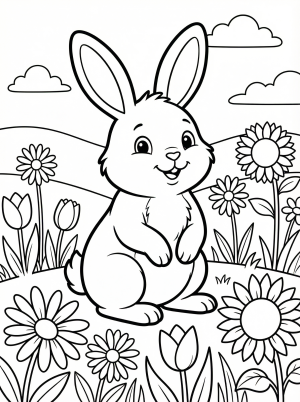
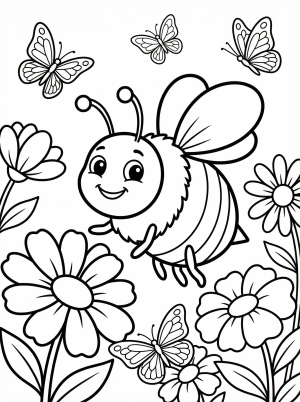



Educator's Guide to Flowers Coloring Pages
The Educational Power of Flowers
Flowers represent a truly remarkable facet of the natural world offering profound educational opportunities for children and adults alike. Engaging with flower themed coloring pages provides a unique pathway to explore foundational biological concepts such as plant anatomy pollination and the fascinating life cycle of a seed turning into a mature plant. Children learn to identify various parts like petals stems and leaves which builds a basic botanical vocabulary and enhances observational skills. Furthermore the sheer diversity of flowers across different species introduces concepts of classification and adaptation demonstrating how plants have evolved unique features to thrive in their environments. This artistic engagement also sparks curiosity about ecology encouraging questions about pollinators suchos bees and butterflies their symbiotic relationships with flowers and the vital role flowers play in ecosystems and food production. Beyond scientific inquiry coloring flowers helps develop an appreciation for natural beauty and can foster a sense of environmental stewardship encouraging respect for the living world.
Classroom & Home Learning Ideas
Teachers and parents can encourage children to label the various parts of a flower directly on the coloring sheet such as the petals the stem and the leaves providing a basic introduction to botany. Furthermore another enriching activity involves researching the actual colors and characteristics of different flower species before or after coloring which promotes information literacy and attention to detail. Children might also enjoy designing their own imaginary flower garden on paper incorporating various colored flowers they have learned about thereby fostering creativity and spatial reasoning. Finally connecting these art activities to real world applications such as understanding the role of pollinators or the use of flowers in different cultures can provide a cross curricular learning experience.
Artistic Development
Developing advanced artistic techniques begins with understanding shading where artists apply varying pressure or different shades of a single color to create depth and dimension within the petals or leaves. Another refined approach involves color blending carefully mixing two or more colors directly on the paper or using layering to achieve smooth transitions and rich hues mirroring the subtle shifts found in nature. Furthermore encouraging children to experiment with different textures using various art mediums such as crayons pastels or even watercolor paints can add a tactile and visually interesting element to their flower illustrations. Most importantly fostering keen observation skills by studying real flowers or high quality botanical images allows young artists to translate authentic details and color variations into their creative work enhancing both their artistic accuracy and appreciation for natural beauty. These skills are transferable across all art forms and foster a deeper engagement with the visual world.
Coloring Tips & Techniques
- 1Discuss flower anatomy (petals, stem, leaves) while coloring to reinforce botanical knowledge.
- 2Encourage researching the actual colors of specific flower species for a realistic artistic approach.
- 3Visit a local garden or park to observe real flowers, promoting direct nature study.
- 4Explore the cultural significance or symbolism of different flowers across various societies.
- 5Suggest using diverse art materials like watercolors or pastels to experiment with texture and blending.
Our Quality Guarantee to Educators
We believe classroom resources should be high-quality and stress-free. Every worksheet on WorksheetSource is personally printed and tested by our team to ensure it fits standard 8.5" x 11" paper with clean, sharp outlines.
Frequently Asked Questions
What are some lesser known facts about flowers that will engage my child?
Many flowers have fascinating adaptations such as the Titan Arum known for its immense size and unique scent or the Venus Flytrap which is a carnivorous plant that consumes insects. Some flowers even change color as they age or have intricate pollination mechanisms involving specific insects or animals. Discussing these surprising facts can captivate a child's imagination and deepen their appreciation for the plant kingdom's wonders.
How do these help with development?
Flower coloring pages significantly aid in several developmental areas. They enhance fine motor skills and hand eye coordination through precise coloring movements. Cognitive development is boosted as children identify colors shapes and patterns while learning about flower parts and life cycles. Furthermore the act of choosing colors and creating a visually appealing image fosters creativity and self expression while the calming nature of coloring can improve focus and reduce stress for emotional regulation.
Flowers Coloring in English