
Fish Coloring
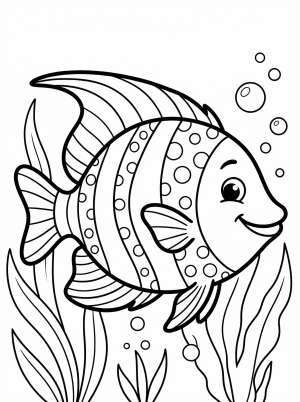
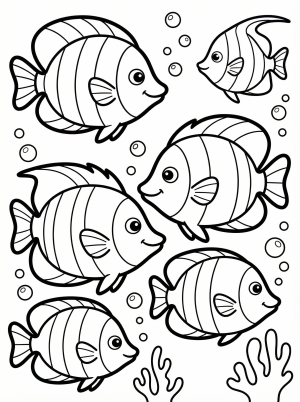
Embark on an underwater adventure with our exquisite collection of fish coloring pages. These expertly designed printables offer a unique blend of artistic expression and scientific discovery, perfect for nurturing young minds and fostering a love for marine biology. Prepare to transform simple coloring into a captivating educational journey.


Educator's Guide to Fish Coloring Pages
The Educational Power of Fish Coloring Pages Engaging with fish coloring pages extends far beyond mere recreational activity, serving as a powerful educational tool for children across various developmental stages. Through the act of coloring, children significantly enhance their fine motor skills, refining the small muscles in their hands and improving hand eye coordination essential for writing and other detailed tasks. Furthermore, these pages introduce young learners to the vast and diverse world of aquatic life, exposing them to different species, their unique anatomical features, and the vibrant habitats they call home. Children learn about concepts such as camouflage, the importance of fins for movement, and the incredible array of shapes and patterns found in marine ecosystems, fostering an early appreciation for biodiversity and ecological balance. This focused activity also promotes sustained attention and concentration, vital cognitive skills that support academic success and problem solving abilities.
Classroom & Home Learning Ideas Integrating fish coloring pages into learning environments can create dynamic and memorable educational experiences. One highly effective approach involves encouraging children to research the specific fish species they are coloring, discovering fascinating facts about its diet, habitat, and unique behaviors before they begin. This transforms the activity into an engaging scientific inquiry, connecting art with biology. Teachers might also consider using these pages as a springboard for creating a classroom 'ocean mural,' where each child contributes a colored fish to a larger collaborative artwork, fostering teamwork and a sense of shared accomplishment. Another creative idea involves discussing color theory as it applies to marine life, exploring why certain fish possess bright colors for warning or mating rituals, while others employ duller tones for concealment. Additionally, these pages can support language development by prompting children to describe their chosen fish in detail, using descriptive adjectives and scientific vocabulary.
Artistic Development Fish coloring pages offer an excellent opportunity to cultivate and refine artistic skills beyond basic color filling. Encouraging children to observe real fish or high quality photographs can help them understand how light reflects on scales, how shadows define form, and how various textures can be represented. For instance, children can experiment with blending different shades of blue and green to create a sense of water movement or use short, overlapping strokes to mimic the appearance of individual scales, adding depth and realism to their artwork. Exploring different coloring mediums, such as crayons, colored pencils, or even watercolor paints, allows children to discover diverse artistic effects and develop a nuanced understanding of color application. This process not only enhances their aesthetic sensibilities but also encourages creativity and innovative problem solving as they learn to translate observations into visual representations.
Coloring Tips & Techniques
- 1Encourage children to research their chosen fish species before coloring to learn about its natural colors and habitat.
- 2Discuss the unique adaptations of different fish, such as fin types, scale patterns, and mouth shapes, while coloring.
- 3Suggest using various art materials like colored pencils for detail and crayons for blending to create textured scales.
- 4Prompt children to imagine and describe the underwater environment where their fish lives, enhancing storytelling skills.
- 5Create a collaborative 'ocean scene' by combining several colored fish pages, fostering teamwork and environmental awareness.
Our Quality Guarantee to Educators
We believe classroom resources should be high-quality and stress-free. Every worksheet on WorksheetSource is personally printed and tested by our team to ensure it fits standard 8.5" x 11" paper with clean, sharp outlines.
Frequently Asked Questions
What fascinating facts can children learn about fish through these pages?
Children can discover a wealth of knowledge, from the incredible diversity of fish species worldwide to their unique adaptations for survival in various aquatic environments. They learn about concepts like camouflage, the function of different fins, and the importance of healthy oceans and rivers for marine life, fostering an early understanding of biology and ecology.
How do these fish coloring activities specifically support a child's developmental growth?
These activities significantly boost fine motor skills, preparing young hands for writing and intricate tasks. They also enhance hand eye coordination, color recognition, and visual perception. Beyond physical development, coloring promotes concentration, patience, and creative expression, all crucial for cognitive and emotional growth.
Fish Coloring in English