
Cute Axolotls Coloring
Dive into the fascinating realm of the axolotl, a unique amphibian capturing hearts worldwide. Our collection of 25 free printable coloring pages offers an engaging way for children to explore science while developing essential skills. Unlock a world of learning and creativity with these captivating educational resources.
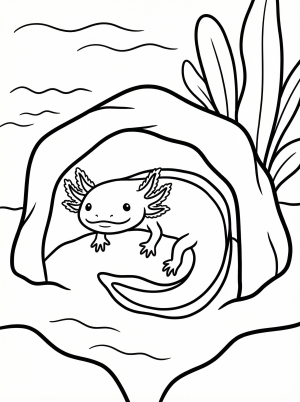
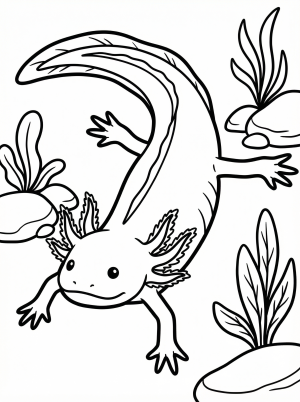
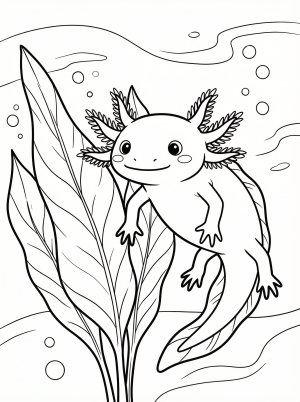
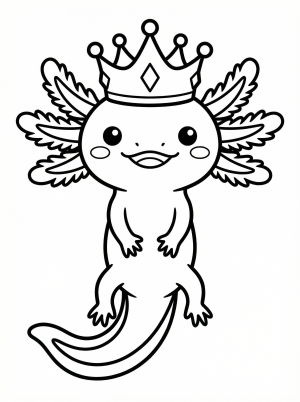
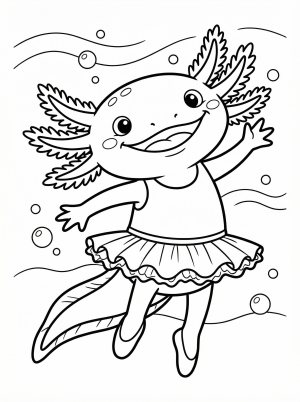
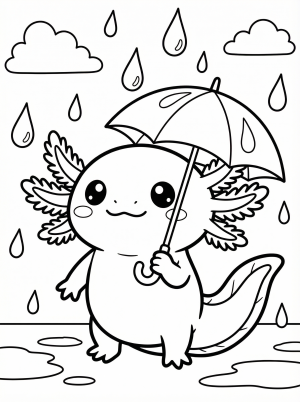


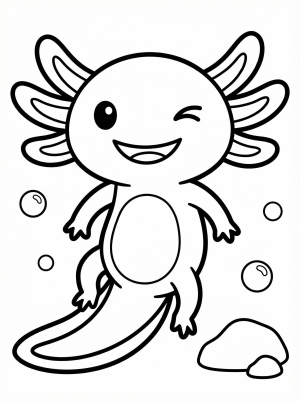
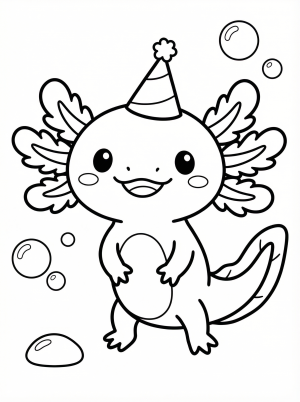
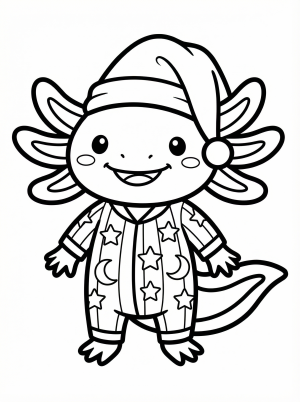
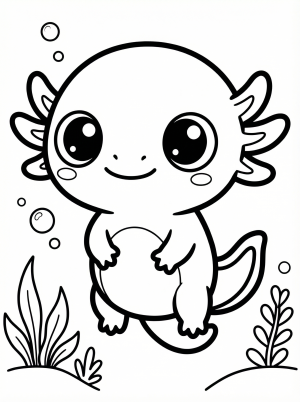
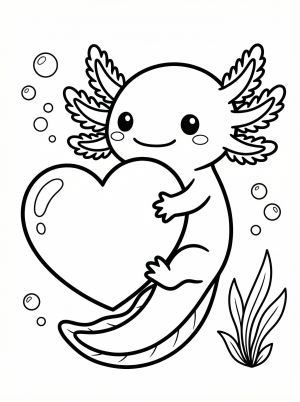
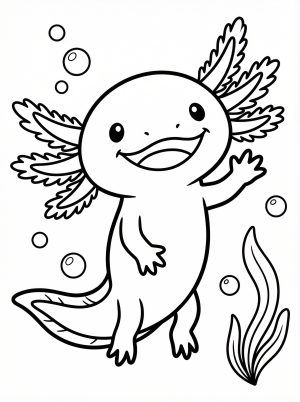


Educator's Guide to Cute Axolotls Coloring Pages
The Educational Power of Axolotls The axolotl, a truly remarkable amphibian, offers a wealth of educational opportunities beyond its charming appearance. This fascinating creature, endemic to the ancient waterways of Mexico City, captivates young minds with its perpetually smiling face and feathery gills. What truly sets the axolotl apart is its phenomenon of neoteny, a biological marvel where it retains its larval characteristics, including its aquatic lifestyle and external gills, into adulthood. This provides an excellent entry point for discussing life cycles, adaptation, and the diversity of the animal kingdom, challenging preconceived notions about metamorphosis. Furthermore, axolotls are celebrated for their extraordinary regenerative abilities, capable of regrowing entire limbs, parts of their brain, and even damaged organs. This astounding capacity sparks curiosity about biology, healing, and the incredible resilience of nature, making them a perfect subject for introducing complex scientific concepts in an accessible manner. Engaging with axolotl themed materials also fosters an early awareness of conservation, as these unique salamanders are critically endangered, highlighting the importance of protecting vulnerable species and their habitats for future generations.
Classroom & Home Learning Ideas These axolotl coloring pages serve as a springboard for a variety of enriching educational activities, extending far beyond simple artistic expression. One valuable approach involves encouraging children to conduct a brief research project about axolotls before or after coloring. They can discover facts about their diet, natural habitat, and unique behaviors, then incorporate these newfound details into their coloring session, perhaps adding background elements or writing a short descriptive paragraph about their colored axolotl. Another engaging idea is to transform the coloring activity into a comparative study of amphibians. Children might compare the axolotl's features with those of a frog or a typical salamander, identifying similarities and differences in their life cycles and physical characteristics. Teachers and parents could also inspire creative storytelling sessions where children invent an adventure for their axolotl, developing narrative skills and imaginative thinking. Furthermore, these pages can be integrated into a broader environmental lesson, prompting discussions about endangered species and local conservation efforts, thereby nurturing empathy and a sense of responsibility towards the natural world.
Artistic Development Beyond scientific inquiry, engaging with axolotl coloring pages significantly contributes to a child's artistic development, refining various essential skills. Focusing on the distinctive features of the axolotl, such as its delicate, feathery gills and smooth body texture, provides opportunities to explore nuanced coloring techniques. For instance, children can experiment with layering different shades of pinks, reds, or even purples to create depth and dimension in the gills, giving them a lifelike, ethereal quality. Encouraging the use of light and shadow, perhaps by coloring parts of the axolotl lighter where light would hit and darker in shadowed areas, helps in understanding three dimensional forms on a two dimensional surface. Furthermore, children can be prompted to consider the axolotl's aquatic environment, using various shades of blues and greens to depict water, perhaps even practicing stippling or cross hatching to suggest water ripples or textures. This attention to detail and texture differentiation not only enhances artistic skill but also improves observational abilities and hand eye coordination, foundational elements for all creative endeavors.
Coloring Tips & Techniques
- 1Discuss the axolotl's unique biology, like regeneration, while coloring to spark scientific curiosity.
- 2Encourage children to experiment with color mixing to create diverse axolotl appearances and shading.
- 3Suggest researching their natural habitat to inspire detailed background elements for their artwork.
- 4Use the pages to initiate conversations about endangered species and the importance of conservation.
- 5Prompt children to identify and label axolotl body parts as they color, reinforcing vocabulary.
Our Quality Guarantee to Educators
We believe classroom resources should be high-quality and stress-free. Every worksheet on WorksheetSource is personally printed and tested by our team to ensure it fits standard 8.5" x 11" paper with clean, sharp outlines.
Frequently Asked Questions
What makes axolotls so special for children to learn about?
Axolotls are incredibly unique amphibians that capture children's imaginations with their friendly appearance and extraordinary biological traits. They offer a fantastic introduction to concepts like neoteny, where they retain larval features into adulthood, and impressive regeneration capabilities, allowing them to regrow limbs and organs. Learning about axolotls also provides a gentle entry point into discussions about biodiversity and conservation, as they are critically endangered, making them a powerful tool for fostering scientific wonder and environmental awareness.
How do these axolotl coloring pages support child development?
These axolotl coloring pages are designed to support multifaceted child development. Artistically, they enhance fine motor skills, hand eye coordination, and color recognition, while also encouraging creative expression and an understanding of form and texture. Cognitively, engaging with these specific animal pages can introduce early biological concepts, vocabulary related to amphibians, and foster observational skills. Furthermore, when paired with the educational content provided, they can inspire critical thinking, research skills, and an appreciation for the natural world, building foundational knowledge across several domains.
Cute Axolotls Coloring in English