
Butterflies Coloring
Unlock a world of wonder and learning with our exquisite collection of butterfly coloring pages. These carefully crafted printables offer more than just artistic expression, serving as gateways to understanding natural science, enhancing fine motor skills, and sparking boundless curiosity.
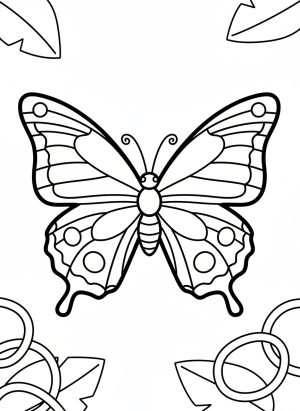
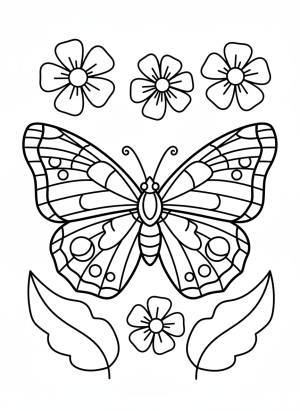
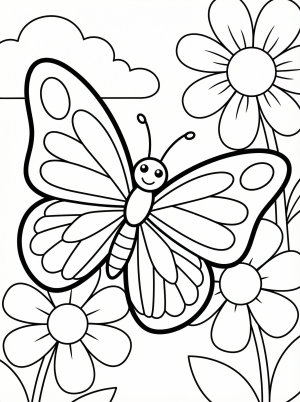
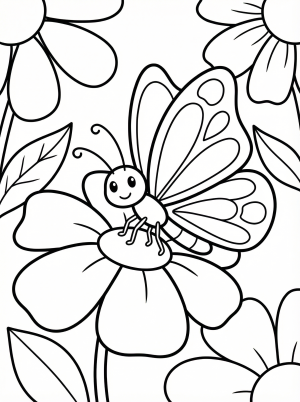
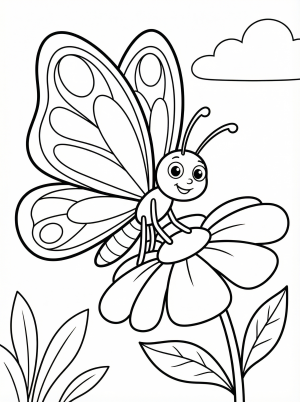
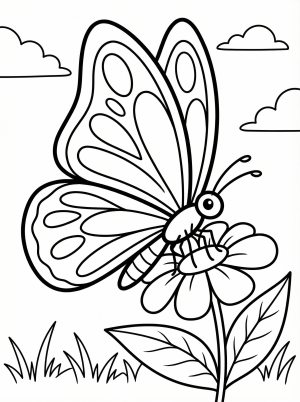
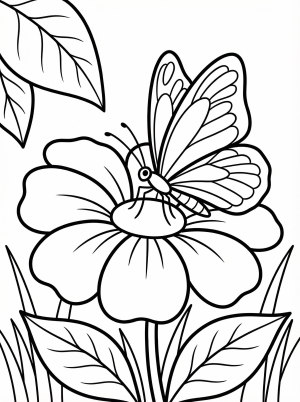
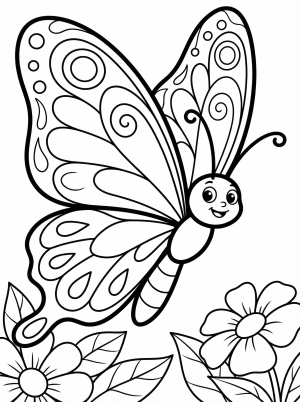
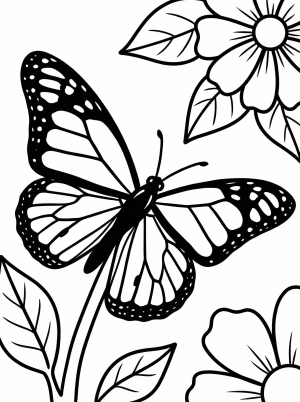
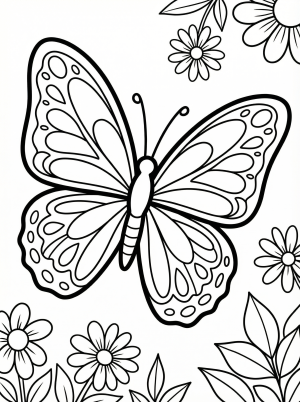
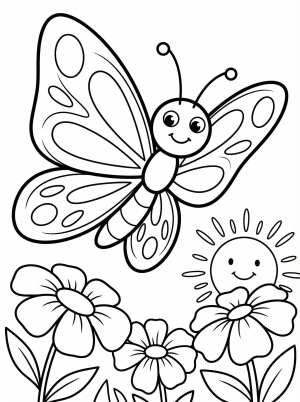
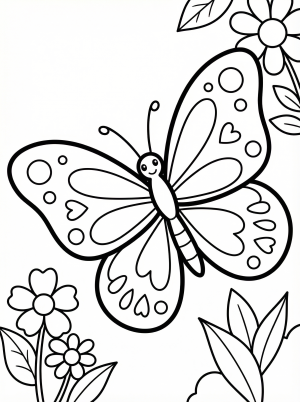
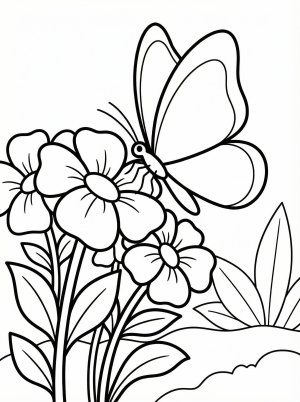


Educator's Guide to Butterflies Coloring Pages
The Educational Power of Butterflies Butterflies, with their ethereal beauty and incredible life cycle, offer a profound educational opportunity for learners of all ages. Exploring these fascinating insects through coloring pages provides a tangible connection to science, fostering an early appreciation for biology and environmental studies. Children can visually trace the remarkable journey of metamorphosis, transforming from a tiny egg to a voracious caterpillar, then into a chrysalis, and finally emerging as a magnificent winged adult. This observation teaches patience and the cyclical nature of life, illustrating complex biological processes in an accessible format. Furthermore, engaging with different butterfly species, like the Monarch or the Swallowtail, introduces concepts of biodiversity, habitat, and geographical distribution. Learners develop a deeper understanding of ecosystem interdependence and the vital role pollinators play in our world, nurturing a sense of stewardship for nature from a young age.
Classroom & Home Learning Ideas Beyond simple artistic expression, these butterfly coloring sheets can be integrated into a rich educational experience within both classroom and home environments. One excellent approach involves using the coloring pages as prompts for a nature journal project; children can color a specific butterfly, then research its characteristics, habitat, and diet, writing down their findings alongside their artwork. Another creative idea is to transform the completed colored butterflies into a mobile, illustrating the different stages of metamorphosis or showcasing various species as a hanging display. Furthermore, educators might encourage students to create a habitat diorama, coloring and cutting out butterflies to place within a self designed ecosystem of plants and flowers. A cooperative learning activity could involve assigning different butterfly species to small groups, each tasked with coloring and presenting facts about their assigned insect, fostering teamwork and public speaking skills.
Artistic Development Engaging with butterfly coloring pages provides a wonderful avenue for refining artistic skills and understanding fundamental art principles. Children can experiment with a diverse palette of colors, learning about warm and cool tones, and how to blend or layer crayons, colored pencils, or markers to achieve subtle gradients on the wings. Emphasizing the intricate patterns found on butterfly wings encourages careful observation and precision in coloring, helping to develop fine motor control and hand eye coordination. Consider suggesting that learners pay close attention to the symmetry inherent in most butterfly designs, aiming to replicate patterns on both sides of the wings. Exploring different textures, perhaps using stippling for fuzzy bodies or smooth strokes for delicate wings, adds another layer of artistic exploration. By encouraging children to view each butterfly as a miniature canvas, they can develop a more deliberate and thoughtful approach to their artistic endeavors.
Coloring Tips & Techniques
- 1Discuss the stages of metamorphosis while coloring specific life cycle sheets.
- 2Encourage researching the specific butterfly being colored, exploring its habitat and diet.
- 3Experiment with various art mediums like crayons, pencils, or paints to create diverse wing textures.
- 4Focus on replicating intricate patterns and symmetry to enhance fine motor skills and observation.
- 5Create a classroom or home 'butterfly garden' display using completed colored cutouts and learned facts.
Our Quality Guarantee to Educators
We believe classroom resources should be high-quality and stress-free. Every worksheet on WorksheetSource is personally printed and tested by our team to ensure it fits standard 8.5" x 11" paper with clean, sharp outlines.
Frequently Asked Questions
What makes butterflies so important for kids to learn about?
Butterflies are a perfect entry point into understanding biology and ecology. Their dramatic metamorphosis teaches about life cycles and change, while their role as pollinators highlights environmental interconnectedness. Learning about them fosters curiosity, observation skills, and an early appreciation for nature's delicate balance and biodiversity.
How do these help with development?
These coloring pages significantly enhance fine motor skills, hand eye coordination, and color recognition. They also encourage patience and focus, boost creativity, and can serve as a visual aid for learning scientific concepts like symmetry, life cycles, and different species. The act of coloring itself promotes relaxation and self expression.
Butterflies Coloring in English