
Horses Coloring
Gallop into a world of equestrian wonder with our exceptional collection of printable horse coloring pages. These expertly crafted illustrations offer more than just creative expression; they provide a rich educational experience, fostering curiosity about these magnificent animals while developing essential artistic and cognitive skills. Ignite imaginations and inspire a lifelong love for learning with every stroke of color.
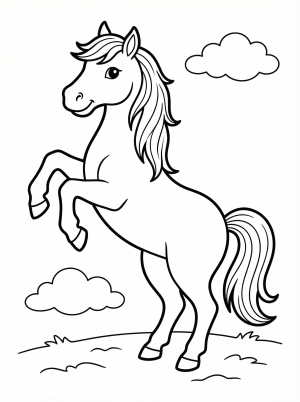
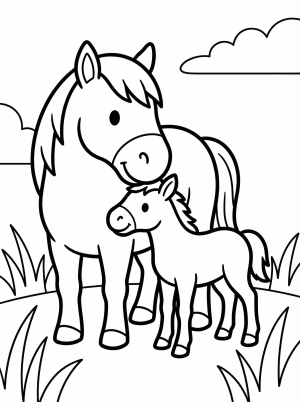
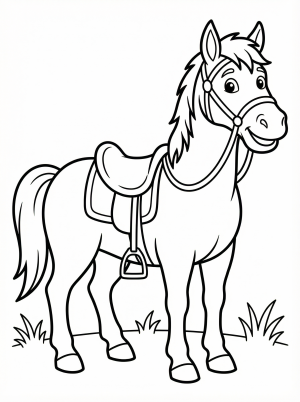
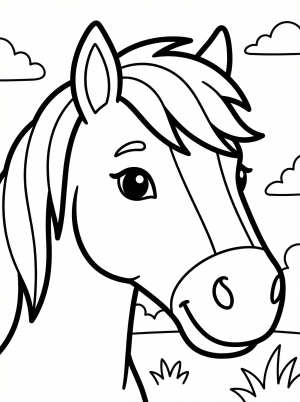
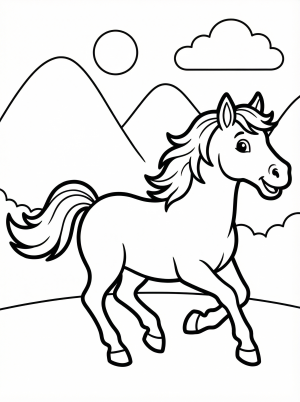
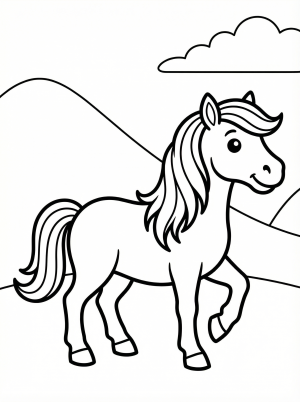
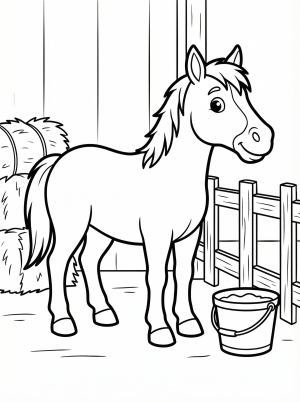
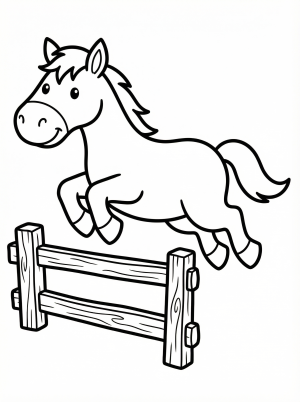


Educator's Guide to Horses Coloring Pages
The Educational Power of Horses Horses, majestic and powerful creatures, have captivated human imagination for millennia, holding a significant place in history, culture, and our collective consciousness. Engaging with horse themed coloring pages offers children a unique pathway to understanding animal biology, diverse equine breeds, and the fascinating roles these animals play across the globe. This activity extends beyond simple recreation, providing a tangible opportunity to learn about horse anatomy, their distinct gaits, and the various habitats they inhabit, from wild herds to domestic stables. Furthermore, coloring horses fosters an early appreciation for animal welfare and empathy, encouraging young learners to connect emotionally with the subjects they are coloring. It naturally introduces concepts like species identification, broadening a child's natural curiosity about the animal kingdom while simultaneously enhancing their observational skills. The focused attention required for intricate coloring tasks develops fine motor skills, hand eye coordination, and spatial awareness, crucial for early academic success. Moreover, choosing colors and artistic approaches stimulates creative problem solving and decision making, transforming a simple activity into a rich cognitive workout.
Classroom & Home Learning Ideas Beyond the joy of creative expression, these horse coloring pages serve as dynamic springboards for deeper educational exploration within both classroom settings and at home. One effective learning strategy involves encouraging children to research different horse breeds, identifying their unique markings, colors, and historical origins, perhaps even matching their colored illustrations to real world examples through books or digital resources. Teachers and parents might also inspire young artists to craft imaginative stories or short narratives around the scenes they have colored, focusing on character development and descriptive language, thereby developing strong storytelling abilities while connecting art with literacy. Furthermore, exploring the practical aspects of horse care, including learning about equestrian tack, various riding disciplines, and the responsibilities inherent in horse ownership, provides valuable insights into animal husbandry and respectful interaction with living creatures. A final enriching activity involves investigating common horse related idioms or their prominent roles in classic literature and folklore, deepening cultural understanding alongside artistic engagement.
Artistic Development Elevating the coloring experience into a true artistic endeavor involves embracing specific techniques that bring these equine illustrations to life with greater realism and expression. To achieve realistic depth and dimension, young artists can experiment with shading, strategically applying darker tones beneath muscles or within folds, and lighter tones on raised areas, to suggest the powerful musculature and three dimensional form of a horse. Blending various shades of browns, grays, and even subtle reds and yellows can create incredibly rich, textured coats that mimic the natural variations found in real horse breeds, moving beyond flat, single color applications. Furthermore, paying close attention to the direction of the hair when coloring the mane and tail with short, deliberate strokes adds dynamic realism, capturing their flowing movement and tactile quality. Incorporating simple background elements such as grassy pastures, rustic fences, or distant trees can ground the horse within its environment, transforming a static image into a vibrant, narrative scene and significantly enhancing the overall artistic composition and storytelling potential.
Coloring Tips & Techniques
- 1Encourage research into specific horse breeds and their unique characteristics before coloring.
- 2Discuss horse anatomy as they color, identifying parts like mane, hoof, and muzzle.
- 3Suggest experimenting with shading and blending colors to create realistic coat textures.
- 4Prompt storytelling: 'What is your horse's name? Where does it live? What adventures does it have?'
- 5Explore horse related vocabulary and idioms, expanding language skills.
Our Quality Guarantee to Educators
We believe classroom resources should be high-quality and stress-free. Every worksheet on WorksheetSource is personally printed and tested by our team to ensure it fits standard 8.5" x 11" paper with clean, sharp outlines.
Frequently Asked Questions
What kinds of learning activities can be combined with horse coloring pages?
Horse coloring pages offer a versatile educational tool. Parents and teachers can pair them with lessons on horse breeds, animal anatomy, or equestrian sports. Furthermore, encouraging children to research the specific type of horse they are coloring, such as a Clydesdale or an Arabian, fosters independent learning and information retention. Storytelling activities, where children create narratives about their colored horses, also boost literacy and imaginative thinking.
How do horse coloring pages specifically aid a child's developmental growth?
Engaging with horse coloring pages significantly benefits a child's holistic development. This activity refines fine motor skills and hand eye coordination crucial for writing and other detailed tasks. The process of choosing colors and applying them with precision enhances visual discrimination and color recognition. Beyond motor skills, coloring promotes focus and concentration, while the artistic expression involved boosts creativity and self esteem. Learning about horses also cultivates empathy and respect for animals.
Horses Coloring in English