
Sleeping Axolotls Coloring
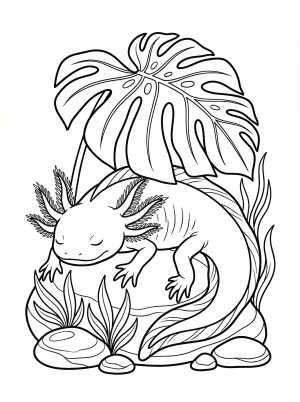
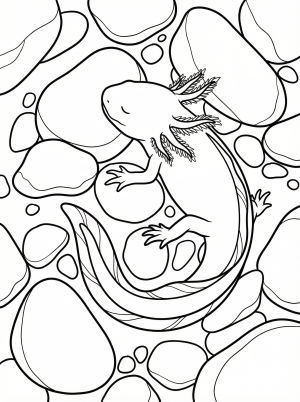
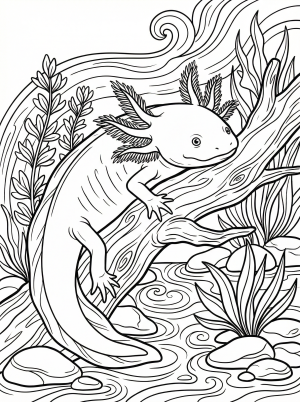
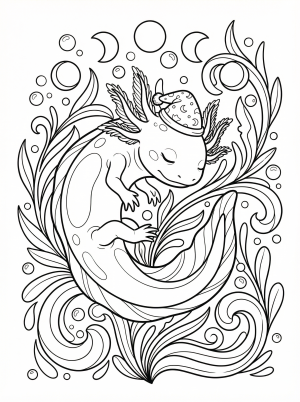
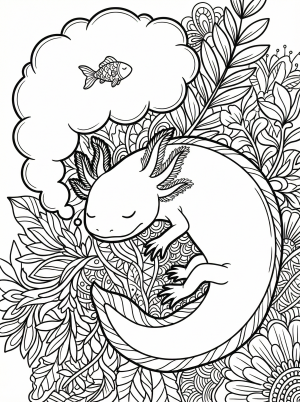
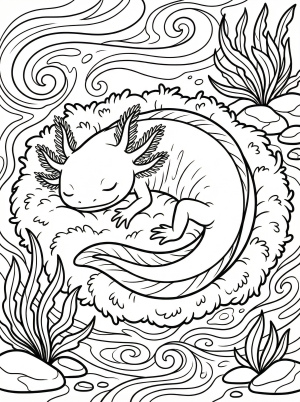
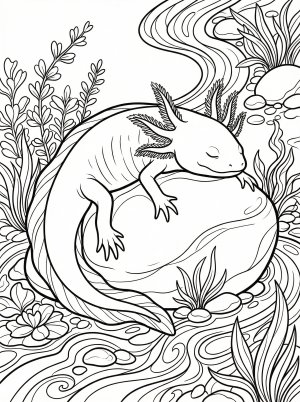
Step into the tranquil underwater world with our exclusive collection of sleeping axolotl coloring pages. These beautifully designed printables offer more than just a creative outlet; they serve as a unique gateway to understanding one of nature's most extraordinary amphibians, fostering both artistic skill and scientific curiosity simultaneously.


Educator's Guide to Sleeping Axolotls Coloring Pages
The Educational Power of Sleeping Axolotls Axolotls, fascinating amphibians native to specific lakes near Mexico City, provide an exceptional subject for engaging young minds in natural science. Unlike most salamanders that undergo metamorphosis to live on land, axolotls exhibit neoteny, meaning they retain their larval features, like external gills and an aquatic lifestyle, into adulthood. Coloring pages featuring these remarkable creatures offer an immediate visual connection to their unique biology, sparking questions about their habitat, diet, and their incredible regenerative abilities. Children can explore the concept of adaptation by observing how an axolotl's external gills allow it to breathe underwater, a stark contrast to terrestrial animals. Furthermore, learning about the axolotl's critically endangered status introduces vital discussions about conservation and environmental stewardship, encouraging empathy for wildlife and understanding human impact on ecosystems. These quiet moments of coloring can transform into powerful educational experiences, fostering a deeper appreciation for biodiversity and the natural world while children learn about these unique animals.
Classroom & Home Learning Ideas These axolotl coloring pages offer versatile tools for enriching educational experiences both in classrooms and within the home environment. One creative approach involves using the completed artwork as a visual aid during a science lesson about amphibians, specifically highlighting the differences between axolotls and other salamanders or frogs. Teachers might also encourage students to research fascinating axolotl facts, such as their scientific classification or their regenerative capabilities, and then present their findings alongside their colored pages, transforming art into a presentation tool. Another engaging activity could involve creating a simple habitat diorama for the axolotl, using the colored image as the central figure, which reinforces understanding of aquatic environments. Parents and educators can further enhance learning by reading age appropriate books or watching documentaries about axolotls and their ecosystem, discussing the content while children color, thus blending literacy with scientific exploration. Moreover, these pages can serve as a calming activity during quiet time, fostering mindfulness while subtly introducing complex biological concepts through visual engagement.
Artistic Development Engaging with axolotl coloring pages presents numerous opportunities for refining artistic skills, moving beyond simple color application. Artists, both young and old, can experiment with various coloring mediums such as colored pencils, crayons, or even watercolors to explore different textures and shading techniques. For instance, creating a soft, translucent effect for the axolotl's frilly gills can be achieved by layering light colors or using gentle watercolor washes, while the smooth, delicate skin can be represented with even, consistent strokes. Encouraging the use of light and shadow, perhaps by imagining a light source in the underwater scene, can add depth and dimension to the axolotl's form, making the image appear more lifelike. Furthermore, artists can consider the surrounding environment, adding plants, rocks, or water ripples in complementary colors to create a complete and immersive underwater habitat. This thoughtful approach to coloring transforms a simple outline into a vibrant piece of art, developing fine motor control, color theory knowledge, and observational skills simultaneously.
Coloring Tips & Techniques
- 1Discuss fascinating axolotl facts covering their habitat, diet, regeneration, and conservation status.
- 2Explore basic color theory by choosing cool tones for water and subtle variations for the axolotl's skin.
- 3Encourage imaginative storytelling by prompting children to describe what the axolotl might be dreaming about.
- 4Integrate these pages with science lessons, pairing coloring with books or videos on amphibians and aquatic life.
- 5Utilize the calming nature of coloring as a mindful, focused activity to enhance concentration and relaxation.
Our Quality Guarantee to Educators
We believe classroom resources should be high-quality and stress-free. Every worksheet on WorksheetSource is personally printed and tested by our team to ensure it fits standard 8.5" x 11" paper with clean, sharp outlines.
Frequently Asked Questions
What makes axolotls so special for kids to learn about?
Axolotls are truly unique amphibians that captivate children with their friendly appearance and extraordinary abilities. They can regrow lost limbs, gills, and even parts of their brain, a scientific marvel that sparks immense curiosity. Their distinctive external gills and permanent aquatic lifestyle also offer a fascinating deviation from typical salamander development, making them excellent subjects for discussing adaptation and biology in an accessible way.
How do these axolotl coloring pages support child development?
Engaging with these coloring pages offers a multitude of developmental benefits. Fine motor skills are significantly enhanced through precise coloring, improving hand eye coordination and dexterity. Children also develop their concentration and focus while quietly working on their artwork. Furthermore, choosing colors and interpreting the scene fosters creativity and self expression, while the calming nature of the activity can aid in emotional regulation and mindfulness, providing a peaceful learning experience.
Sleeping Axolotls Coloring in English