
Axolotls Coloring
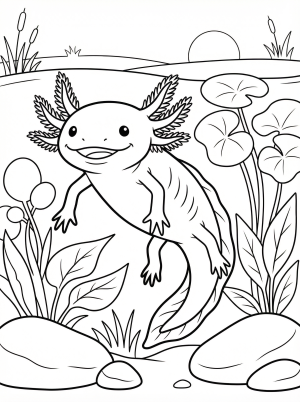
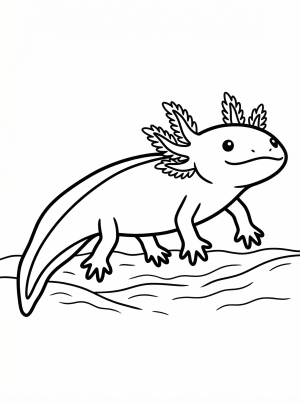
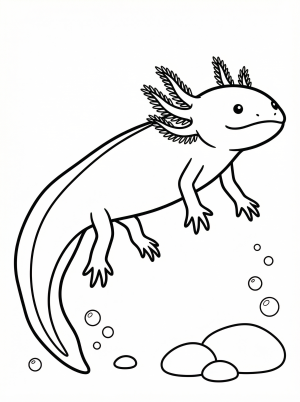
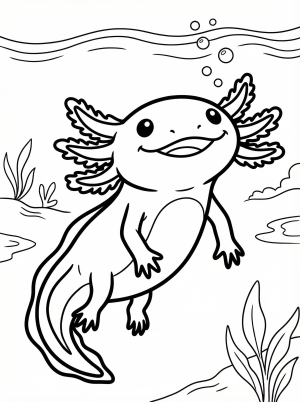
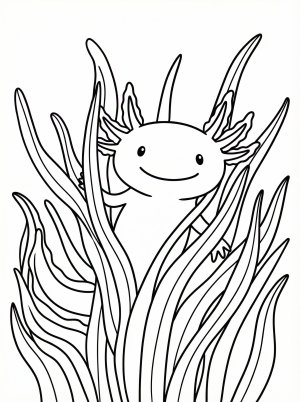
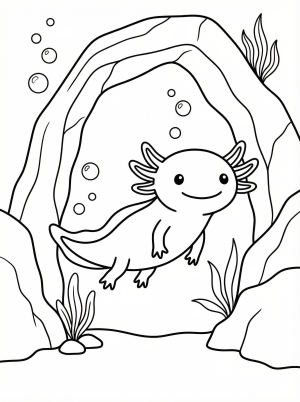
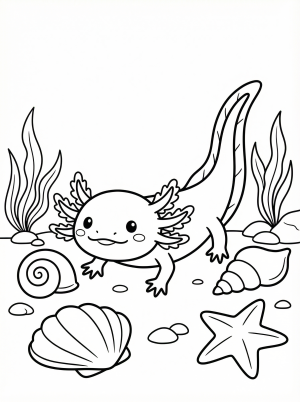
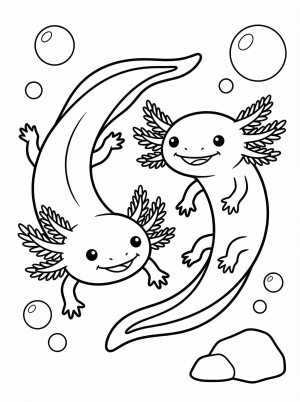
Step into the enchanting underwater world of the axolotl, a truly extraordinary creature captivating imaginations worldwide. Our extensive collection of 25 free printable axolotl coloring pages offers a unique blend of artistic expression and scientific discovery. Perfect for sparking curiosity, these sheets provide an engaging gateway to learning about these incredible amphibians while developing essential creative and cognitive skills.


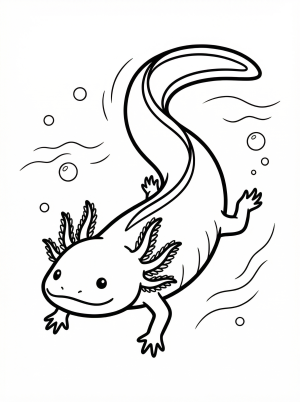
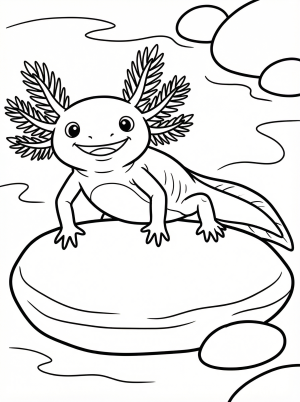
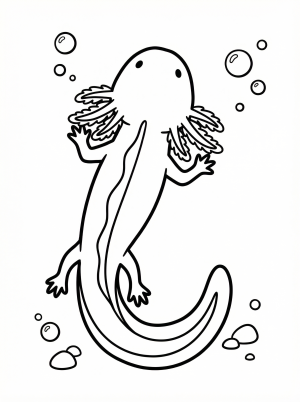
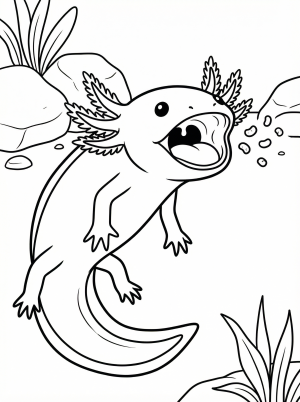
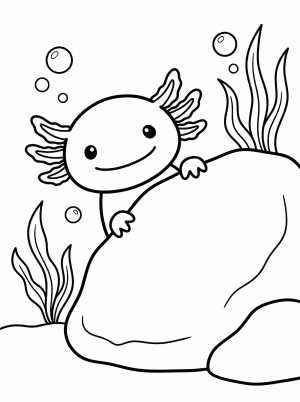


Educator's Guide to Axolotls Coloring Pages
The Educational Power of Axolotls
The axolotl, a remarkable salamander native to Mexico City's ancient lakes, offers an unparalleled subject for educational exploration within the realm of early childhood and elementary learning. These captivating creatures, widely recognized for their perpetual youthful appearance, a phenomenon known as neoteny, never fully mature like other amphibians, instead retaining their larval features throughout their entire lives. Their feathery external gills and perpetual smile make them instantly appealing to children, serving as a gentle introduction to biodiversity and the wonders of the natural world. Furthermore, the axolotl possesses an astounding regenerative capability, able to regrow limbs, tails, and even portions of their brains, a fact that can spark incredible discussions about biology, healing, and scientific research. Introducing children to these fascinating attributes through coloring pages transcends mere entertainment, fostering a foundational understanding of unique animal adaptations, ecological concepts such as habitat preservation, and the critical importance of protecting endangered species, as axolotls face severe threats in their dwindling natural environment. This engagement cultivates not only an appreciation for wildlife but also encourages a burgeoning scientific curiosity and a sense of responsibility towards our planet's diverse inhabitants.
Classroom & Home Learning Ideas
Beyond the simple act of coloring, these axolotl pages can become dynamic tools for enriching educational experiences both at home and in the classroom. One creative approach involves using these sheets as a starting point for a mini research project; children could color their axolotl and then investigate its natural habitat, dietary preferences, or even the challenges it faces in the wild, documenting their findings through drawing or simple sentences. Teachers might also consider integrating these pages into a storytelling activity, prompting students to invent a narrative about their colored axolotl’s underwater adventures, perhaps describing its interactions with other aquatic creatures or its journey through a kelp forest. A further imaginative use involves crafting a science journal; after coloring, children can label the different parts of the axolotl, such as its gills, limbs, and tail, learning anatomical terms in an accessible and visual manner. Furthermore, these pages are excellent for stimulating comparative biology lessons where students can color an axolotl and then compare its features to those of other amphibians like frogs or newts, observing the distinct differences and similarities that define each creature.
Artistic Development
Engaging with axolotl coloring pages provides abundant opportunities for children to refine their artistic abilities and explore various creative techniques. To truly capture the unique essence of these salamanders, encourage children to experiment with color blending, particularly for the axolotl's soft, often pinkish or purplish skin, suggesting they use a light touch with crayons or colored pencils to create smooth transitions between shades. Focus on the distinct texture of their feathery gills, perhaps by using short, delicate strokes that fan out from the head, adding a lifelike dimension to their most recognizable feature. Shading can introduce a sense of depth and form, transforming a flat image into a more three dimensional representation; children can be guided to imagine a light source and add darker tones to areas that would naturally be in shadow, such as underneath limbs or where the body curves. Paying close attention to the intricate details of the axolotl’s eyes and mouth also enhances the overall artistic outcome, allowing for more expressive and personality filled illustrations. These techniques not only improve fine motor control and hand eye coordination but also nurture a keen eye for observation and a deeper appreciation for artistic nuance.
Coloring Tips & Techniques
- 1Spark Curiosity: Ask engaging questions about axolotl facts while coloring, like 'Why do they have those fluffy gills?'
- 2Narrative Creation: Encourage children to invent a story about their axolotl, fostering imagination and language skills.
- 3Fact Integration: Research a new axolotl fact together for each page completed, deepening scientific knowledge.
- 4Display for Pride: Showcase finished artwork to boost confidence and reinforce learning efforts.
- 5Patience & Precision: Guide slow, deliberate coloring to improve fine motor control and attention to detail.
Our Quality Guarantee to Educators
We believe classroom resources should be high-quality and stress-free. Every worksheet on WorksheetSource is personally printed and tested by our team to ensure it fits standard 8.5" x 11" paper with clean, sharp outlines.
Frequently Asked Questions
What makes axolotls so unique and special for children to learn about?
Axolotls are truly fascinating creatures that captivate children with their friendly appearance and incredible biological traits. They are unique among salamanders for retaining their larval features, like external gills, throughout their entire lives, a process known as neoteny. Furthermore, their extraordinary ability to regenerate lost limbs and even parts of their organs sparks wonder and curiosity, offering a perfect entry point into discussions about biology, adaptation, and the marvels of the natural world. Learning about axolotls introduces children to the concept of biodiversity and the importance of protecting endangered species.
How do these axolotl coloring pages support children's developmental growth?
These axolotl coloring pages provide a wealth of developmental benefits for children. The act of coloring significantly enhances fine motor abilities and hand eye coordination, crucial for tasks like writing and drawing. Choosing colors and applying them strategically nurtures creativity and self expression. Furthermore, engaging with the detailed shapes of axolotls improves concentration and focus. Beyond artistic development, these pages can also foster cognitive growth by initiating discussions about scientific facts, encouraging observation, and expanding vocabulary related to biology and animal life, making learning both fun and informative.
Axolotls Coloring in English