
Chickens Coloring
Welcome to your premier resource for educational chicken coloring pages, meticulously designed to engage young minds and inspire a love for learning. These beautifully illustrated printables offer much more than just artistic expression, providing a unique gateway into the fascinating world of poultry. Prepare to transform simple coloring time into a rich, informative adventure.
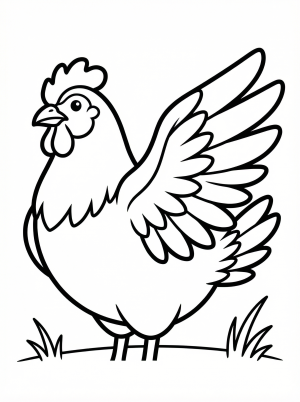
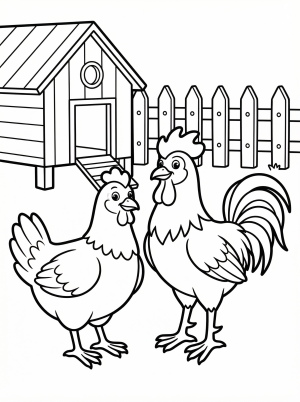
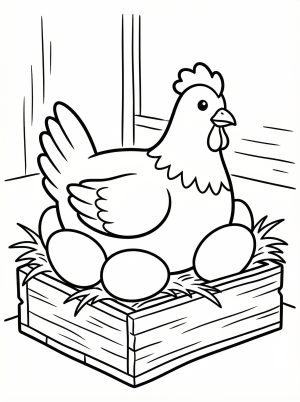
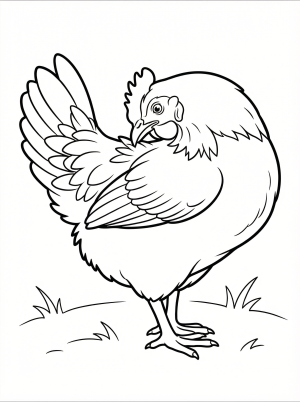
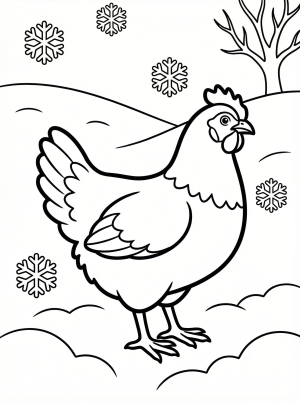
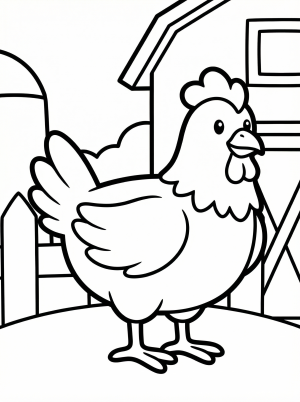
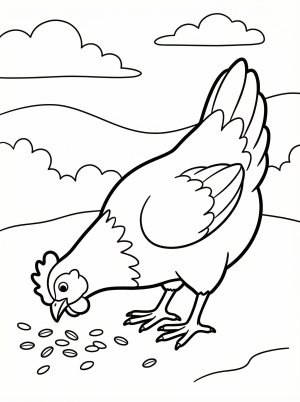
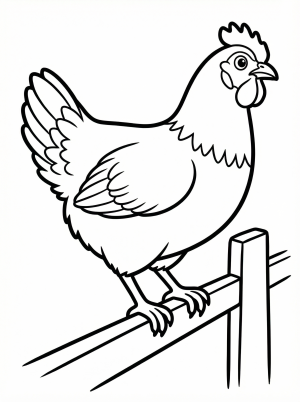
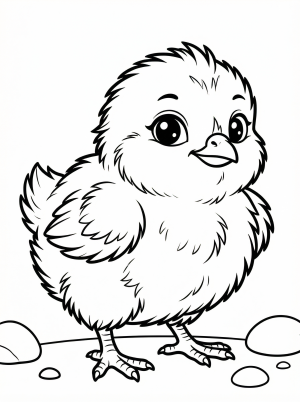
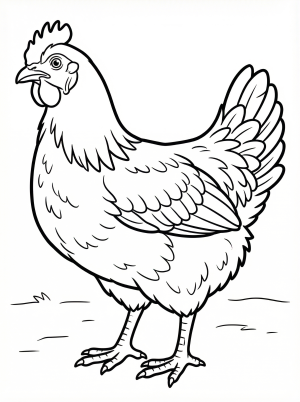
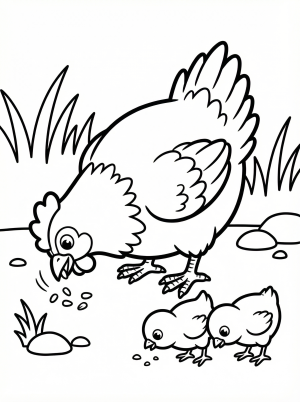
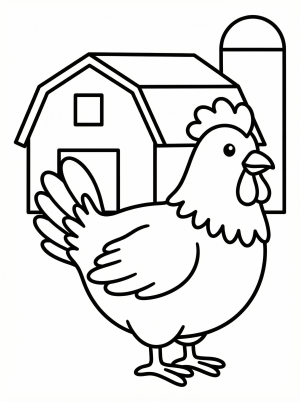
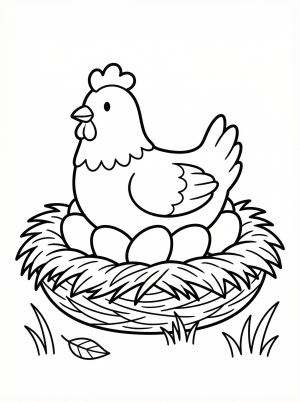
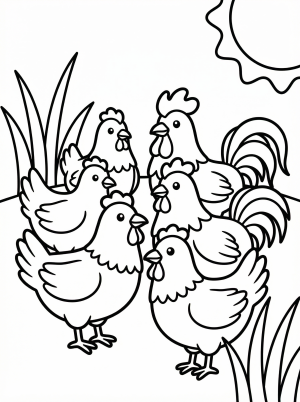
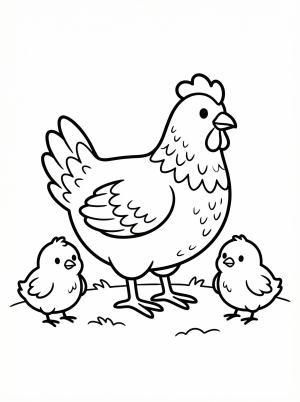
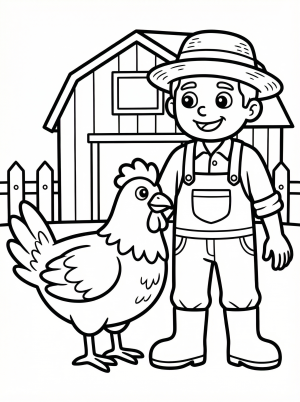
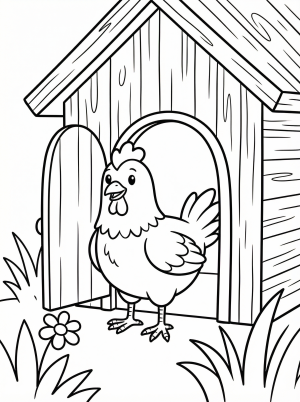
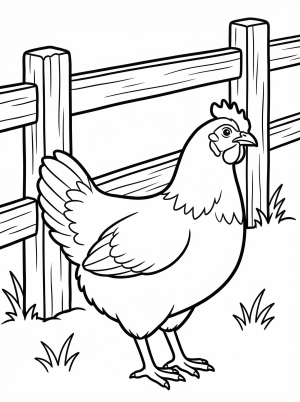
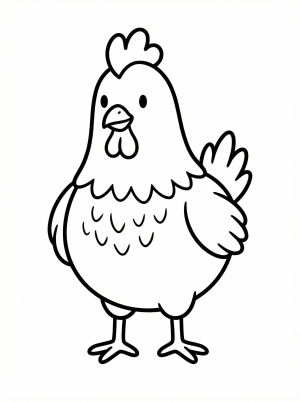
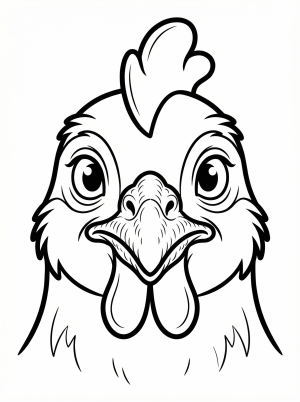
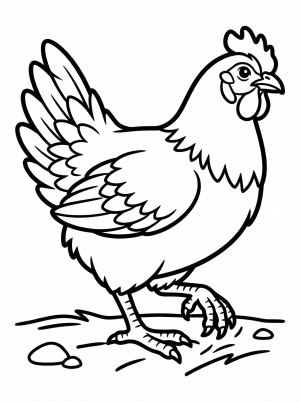
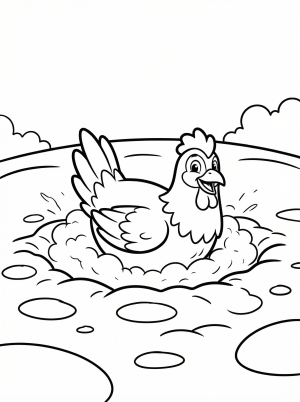
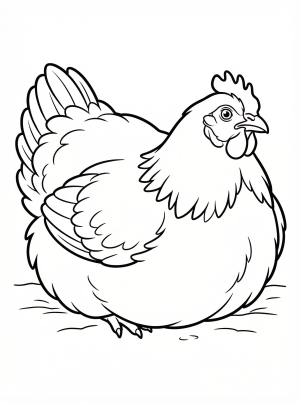
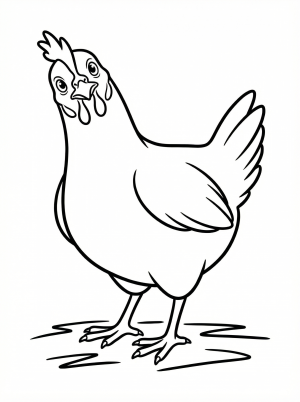
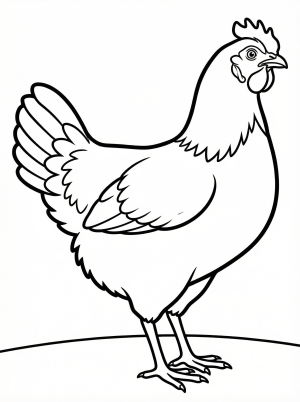


Educator's Guide to Chickens Coloring Pages
The Educational Power of Chickens
Chickens, far more than just farm animals, present a remarkably rich subject for educational exploration, offering unique opportunities to teach children about biology, animal behavior, and the interconnectedness of life. These coloring pages serve as a springboard for discussions about avian anatomy, allowing children to identify parts like the comb, wattle, feathers, and claws while they color. Educators and parents can delve into the fascinating life cycle of a chicken, from egg to chick to adult hen or rooster, illustrating stages of development and the concept of growth and change. Furthermore, exploring different chicken breeds introduces concepts of biodiversity and genetic variation, showcasing how distinct appearances and traits develop over time. Learning about chickens also fosters empathy towards animals and an understanding of where food originates, promoting a deeper connection to nature and sustainable living practices. These seemingly simple sheets thus become powerful tools for expanding vocabulary, encouraging observation, and building a foundational understanding of the natural world.
Classroom & Home Learning Ideas
Beyond simply coloring within the lines, these chicken themed printables offer a wealth of innovative learning opportunities for both classroom and home environments. One engaging activity involves encouraging children to research different chicken breeds and then attempting to color their pages to match the authentic plumage of specific varieties such as a Rhode Island Red, a Leghorn, or an Araucana, which can lead to exciting discoveries about egg colors. Another creative approach is to use the completed coloring pages as props for storytelling, prompting children to invent narratives about their chicken's daily life on a farm, its adventures, or its interactions with other animals. Teachers might also consider incorporating a 'label the chicken parts' activity, where students identify and write down the names of anatomical features directly onto their colored pages, reinforcing scientific vocabulary. Furthermore, these sheets can integrate seamlessly into a unit on farm animals or even a lesson on animal classification, providing a visual anchor for broader biological concepts. These methods transform passive coloring into an active, multidisciplinary learning experience.
Artistic Development
Utilizing chicken coloring pages strategically can significantly enhance a child's artistic development, moving beyond basic color recognition to foster more sophisticated artistic skills. Children can be encouraged to pay close attention to the intricate textures of feathers, experimenting with different strokes and pressures to mimic their soft, fluffy appearance or the rigidity of flight feathers. Exploring various shades of browns, whites, grays, and even iridescent greens and blues, especially when coloring roosters, helps children understand color mixing and subtle variations within a palette. Introducing the concept of light and shadow, perhaps by suggesting darker colors for areas beneath wings or in crevices, can begin to teach dimensionality and depth in their artwork. Moreover, these pages provide an excellent opportunity to refine fine motor skills and hand eye coordination, as children carefully navigate the contours of the chicken's form, leading to greater precision and control in their artistic endeavors. Discussing the distinctive features of a chicken, such as the comb's texture or the wattle's shape, prompts observational drawing skills and encourages a more detailed, thoughtful approach to coloring and art creation.
Coloring Tips & Techniques
- 1Encourage children to research specific chicken breeds and color their pages to match authentic plumage, fostering observation and scientific accuracy.
- 2Discuss the chicken life cycle (egg, chick, hen/rooster) as they color, reinforcing biological concepts and sequencing skills.
- 3Prompt children to label chicken anatomy directly on their finished coloring pages, enhancing vocabulary and understanding of animal parts.
- 4Use completed pages as visual aids for storytelling or creating a 'farm scene,' stimulating imaginative play and narrative development.
- 5Experiment with various art mediums like crayons, colored pencils, or even watercolors to explore different feather textures and color blending techniques.
Our Quality Guarantee to Educators
We believe classroom resources should be high-quality and stress-free. Every worksheet on WorksheetSource is personally printed and tested by our team to ensure it fits standard 8.5" x 11" paper with clean, sharp outlines.
Frequently Asked Questions
What are some lesser known facts about chickens that make them interesting for kids?
Chickens are remarkably social and intelligent creatures with a complex communication system, using over 30 different vocalizations to express various needs and warnings. They also have an excellent memory and can recognize individual human faces, remembering friendly or threatening encounters. Furthermore, chickens possess a keen sense of time, often knowing when it is morning even before the sun fully rises, and they exhibit distinct personalities within their flock, making each bird unique.
How do these chicken coloring pages specifically help with a child's development?
These coloring pages are highly beneficial for fostering several key developmental areas. They significantly enhance fine motor skills and hand eye coordination, critical for writing and other tasks. Cognitively, children learn about animal anatomy, different breeds, and aspects of farm life, expanding their knowledge base. The act of choosing and applying colors stimulates creativity and color recognition, while discussing the images can boost vocabulary and communication skills. Furthermore, engaging with animal themed pages can cultivate empathy and an understanding of the natural world.
Chickens Coloring in English