
Zoo Animals Coloring
Welcome to the ultimate educational resource for zoo animal enthusiasts! Our carefully curated collection of free printable coloring pages offers more than just artistic fun; it's a gateway to discovering the wonders of the animal kingdom, fostering essential developmental skills for young learners.
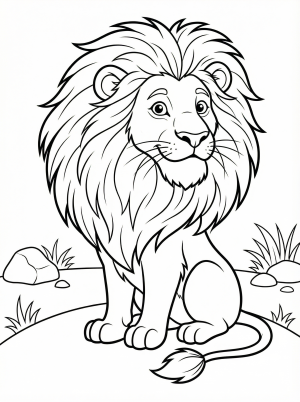
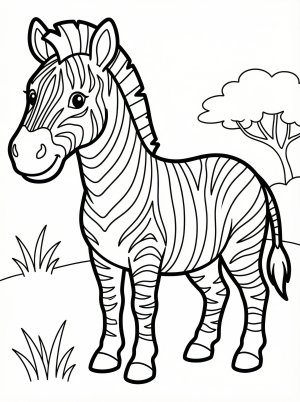
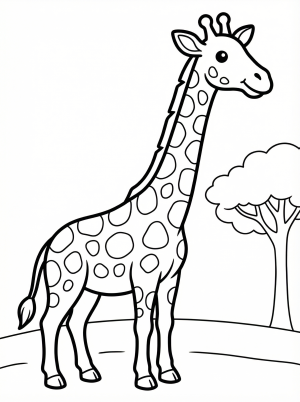
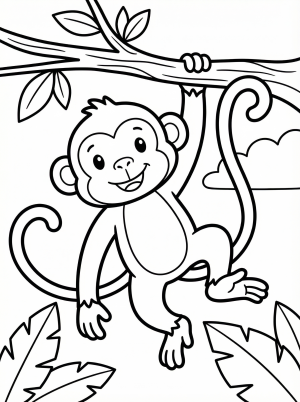


Educator's Guide to Zoo Animals Coloring Pages
The Educational Power of Zoo Animals Exploring the world of zoo animals through coloring pages offers a profound educational journey for children of all ages. These engaging resources are far more than simple entertainment; they serve as powerful tools for cognitive and motor skill development while simultaneously introducing foundational concepts in biology and geography. Children naturally develop crucial fine motor skills through the precise movements required to color within lines, enhancing their hand eye coordination and preparing them for tasks like writing. Furthermore, the act of selecting colors and applying them encourages visual discrimination, color recognition, and an early understanding of artistic expression. Beyond the physical benefits, these pages ignite curiosity about the natural world, prompting discussions about different animal species, their unique characteristics, diverse habitats, and conservation efforts. Learning about animals like lions, elephants, and zebras helps children build vocabulary, understand concepts of adaptation and biodiversity, and cultivate empathy for living creatures across the globe, thereby fostering a deeper appreciation for environmental stewardship.
Classroom & Home Learning Ideas These zoo animal coloring pages can be seamlessly integrated into various enriching educational activities both at home and within classroom settings, extending their value beyond mere artistic expression. One engaging activity involves matching animal sounds with the corresponding colored animal picture, which enhances auditory processing and reinforces animal identification. Furthermore, educators might encourage children to create their own miniature habitats around their finished colored animals, perhaps drawing trees for monkeys or an savanna background for a giraffe, which promotes imaginative play and reinforces knowledge about natural environments. Another creative approach is to use the completed coloring pages as story starters, where children invent tales about their chosen animal's adventures or daily life, fostering narrative skills and imaginative thinking. Finally, a fun learning game could involve an "animal fact scavenger hunt" where children locate animals on their colored pages and then share an interesting fact they learned about that particular species, thereby encouraging research skills and oral presentation.
Artistic Development Engaging with zoo animal coloring pages also presents a wonderful opportunity to cultivate advanced artistic development in young learners, moving beyond basic color application. Encourage children to observe real animal photographs or videos intently before coloring, paying close attention to the nuances of their fur, feathers, or scales. This careful observation can then be translated into their artwork, prompting them to experiment with different shading techniques to create depth and dimension, rather than simply filling in flat colors. They might explore color blending, gently mixing two or more colors to achieve natural gradients seen on an animal's coat, such as the subtle transitions on a tiger's stripes. Furthermore, introducing the concept of texture through coloring can be highly beneficial; children can learn to use short, feathery strokes to depict a bird's feathers or longer, more fluid lines to represent an elephant's skin. Discussing warm and cool colors can also help them select appropriate hues for different animals and their environments, enriching their understanding of color theory and enhancing the visual impact of their creations.
Coloring Tips & Techniques
- 1Discuss the animal's natural habitat and diet while coloring to deepen biological understanding.
- 2Encourage observation of real animal photos or videos to inspire realistic color choices and textures.
- 3Prompt children to share an interesting fact about each animal they color, fostering recall and verbal skills.
- 4Use completed coloring pages as prompts for creative storytelling or writing short descriptive sentences.
- 5Introduce basic shading and blending techniques to add depth and artistic realism to the animal figures.
Our Quality Guarantee to Educators
We believe classroom resources should be high-quality and stress-free. Every worksheet on WorksheetSource is personally printed and tested by our team to ensure it fits standard 8.5" x 11" paper with clean, sharp outlines.
Frequently Asked Questions
What are the best ways to introduce zoo animals to young children through coloring?
The most effective approach involves a multi sensory learning experience. Begin by discussing the animal's name, its distinctive sounds, and unique characteristics before coloring commences. Show pictures or short videos of the actual animal to connect the abstract drawing with a real world creature. Encourage children to choose colors that reflect reality, fostering observational skills, and prompt them to describe what they are coloring, building vocabulary and descriptive language.
How do these coloring pages help with a child's overall development?
Zoo animal coloring pages significantly contribute to comprehensive child development. They refine fine motor skills and hand eye coordination essential for writing, enhance color recognition and visual perception, and improve concentration and focus. Cognitively, children expand their vocabulary, learn about biodiversity and animal habitats, and develop problem solving skills through artistic choices. Furthermore, the activity nurtures creativity, self expression, and can even foster empathy towards animals and their environments.
Zoo Animals Coloring in English