
Farm Animals Coloring
Step into the wonderful world of farm animals with our expertly curated collection of free printable coloring pages. These engaging resources offer more than just creative fun; they provide a rich foundation for early learning and skill development. Discover how these pages can transform simple playtime into a valuable educational experience.
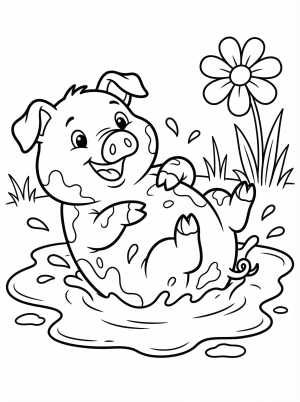
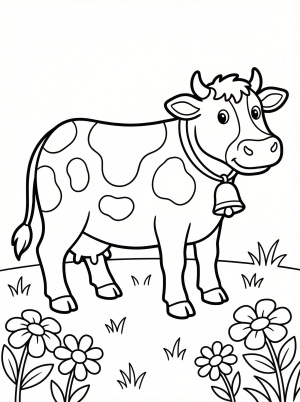
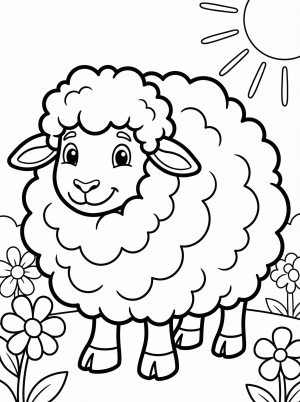
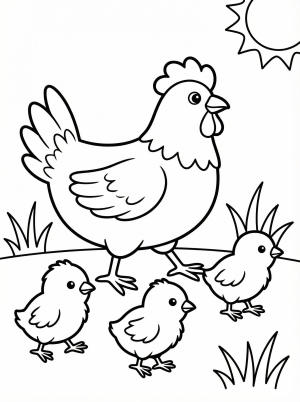


Educator's Guide to Farm Animals Coloring Pages
The Educational Power of Farm Animals
Farm animals hold a timeless appeal for children, offering a compelling gateway into understanding the natural world, fostering empathy, and developing crucial cognitive and linguistic abilities. Engaging with images of cows, pigs, chickens, sheep, and horses provides immediate opportunities for vocabulary expansion, allowing children to learn animal names, their unique sounds, and the important roles they play within a farm ecosystem and in human society. Furthermore, discussions about where these animals live, what they eat, and the products they provide, such as milk or wool, introduce fundamental concepts in biology and agriculture, laying groundwork for scientific literacy. This interaction also encourages observation skills, prompting children to notice distinct features like a horse's mane or a pig's snout, which enhances their attention to detail and ability to categorize information. Learning about the care these animals require can also subtly cultivate a sense of responsibility and compassion, connecting children to the broader themes of animal welfare and our environment.
Classroom & Home Learning Ideas
These farm animal coloring pages serve as versatile educational tools for both structured learning environments and casual home activities, extending well beyond mere artistic expression. For instance, an engaging activity involves discussing each animal's unique sound as children color, encouraging them to mimic the "moo" of a cow or the "oink" of a pig, which significantly aids in auditory processing and speech development. Another creative approach is to use the completed pages as visual aids for storytelling, where children can invent narratives about a day on the farm, developing their imaginative capacities and narrative skills. Furthermore, these pages can be integrated into early science lessons by having children sort the animals based on categories such as those that provide milk versus those that provide eggs, thereby reinforcing classification abilities and understanding of agricultural processes. A practical application in mathematics involves counting the animals or discussing their relative sizes, which supports early numeracy skills and comparative reasoning. Lastly, teachers might consider creating a farm animal mural or a collective farm book using the colored pages, fostering collaboration and a sense of shared accomplishment among learners.
Artistic Development
Engaging with farm animal coloring pages offers a rich pathway for children to refine their artistic skills and explore various creative techniques. One fundamental aspect involves understanding color theory in a practical context, encouraging children to choose appropriate colors that reflect the natural appearance of each animal, or conversely, to experiment with imaginative hues to foster creative thinking. This activity also provides an excellent opportunity to introduce basic shading techniques; for example, showing how pressing harder with a crayon can create a darker shade to suggest fur texture or depth, while lighter pressure can indicate a softer, more distant feature. Furthermore, children can be encouraged to explore different artistic mediums, moving beyond crayons to use colored pencils for finer details, markers for bold outlines, or even watercolors for gentle blending, each choice developing a different tactile experience and artistic skill set. This process inherently strengthens fine motor skills, including improved pencil grip and hand eye coordination, which are foundational for writing and other detailed tasks. Ultimately, coloring allows children to develop a deeper appreciation for visual aesthetics and the satisfaction of bringing an image to life through their own artistic choices.
Coloring Tips & Techniques
- 1Encourage children to make animal sounds while coloring to enhance auditory learning.
- 2Discuss each animal's role on the farm to build vocabulary and understanding.
- 3Use completed pages as prompts for storytelling or creating a farm-themed display.
- 4Introduce color mixing techniques to create realistic shades for fur or feathers.
- 5Connect coloring to real-world experiences by visiting a farm or watching documentaries.
Our Quality Guarantee to Educators
We believe classroom resources should be high-quality and stress-free. Every worksheet on WorksheetSource is personally printed and tested by our team to ensure it fits standard 8.5" x 11" paper with clean, sharp outlines.
Frequently Asked Questions
What are some fun facts about farm animals that I can share with my child?
Farm animals are fascinating creatures with many unique characteristics. For example, a cow can produce up to 100 glasses of milk a day, and its four stomachs help digest its food. Pigs are incredibly intelligent and clean animals, often misunderstood, and they enjoy playing. Chickens are known for laying eggs and communicate through various clucks and squawks. Sheep provide wool for clothing and are very social, living in flocks. Horses, majestic and strong, have been companions to humans for thousands of years, known for their speed and loyalty. Sharing these simple yet intriguing facts sparks curiosity and deepens a child's appreciation for each animal.
How do these farm animal coloring pages specifically aid in a child's developmental growth?
These farm animal coloring pages offer a multifaceted approach to developmental growth. They significantly enhance fine motor skills through the precise movements required for coloring within lines, which strengthens hand muscles crucial for writing. Color recognition and identification are naturally reinforced as children choose and apply various hues. Cognitively, children develop their ability to identify and differentiate between animals, learn new vocabulary related to farm life, and practice sequential thinking if they are coloring a series of animals. Furthermore, the creative process itself fosters self expression and imagination, while completing a page builds a sense of accomplishment and boosts self esteem, making these resources incredibly valuable for holistic child development.
Farm Animals Coloring in English