
Peacocks Coloring
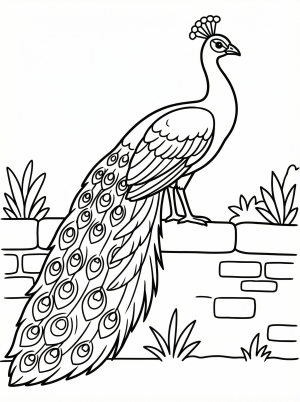
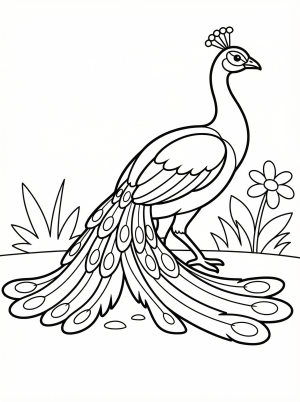
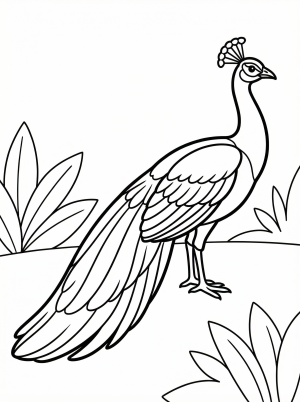
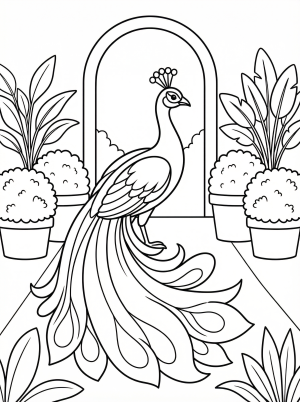
Discover the vibrant world of peacocks through our expertly designed coloring pages, crafted to inspire creativity and foster a love for learning. These beautiful printables offer a unique opportunity for children to engage with nature's artistry while developing essential skills in an exciting way.
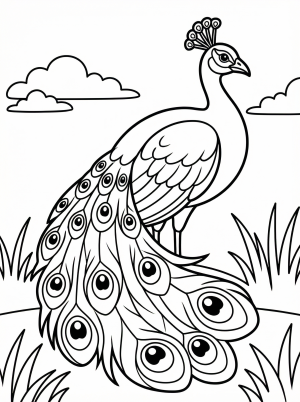
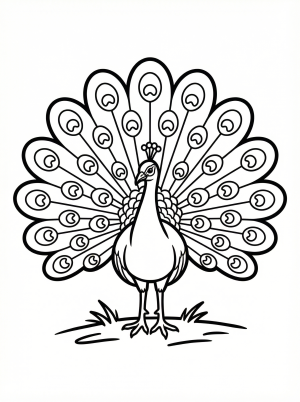
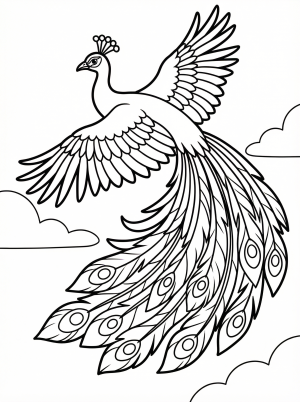
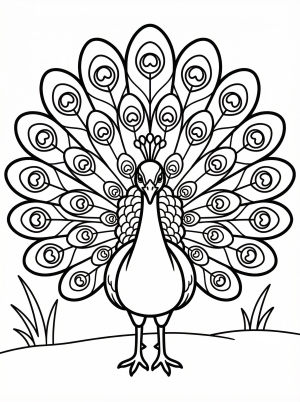


Educator's Guide to Peacocks Coloring Pages
The Educational Power of Peacocks
Peacocks, scientifically known as peafowl, captivate with their breathtaking display of iridescent tail feathers, primarily seen in the males to attract mates. These magnificent birds, native to South Asia, hold deep cultural significance and offer a remarkable subject for educational exploration. Engaging with peacock themed coloring pages extends far beyond simple artistic expression; it provides a unique avenue for fostering several critical developmental skills in young learners. Children naturally enhance their fine motor control and hand eye coordination as they meticulously guide their coloring tools across the intricate feather patterns. Furthermore, the act of choosing and applying various colors stimulates cognitive development, encouraging thoughtful decision making and an understanding of color theory. This focused activity also cultivates patience and improves concentration, essential attributes for academic success. Beyond these foundational skills, coloring peacocks introduces children to biological concepts such as animal adaptations, courtship rituals, and biodiversity, sparking curiosity about the natural world.
Classroom & Home Learning Ideas
Educators and parents can leverage these peacock coloring pages in numerous creative ways to enrich the learning experience. One engaging approach involves using the completed artwork as a springboard for scientific inquiry, prompting children to research different types of peafowl, their habitats, and their unique behaviors. Teachers might also encourage students to write short stories or descriptive poems inspired by their colorful peacock creations, thus integrating literacy skills with art. Another beneficial activity could be a multidisciplinary project where children explore the cultural significance of peacocks in various societies, particularly in India where the peacock is the national bird, delving into mythology and symbolism. Furthermore, parents can transform the coloring session into a sensory exploration by providing various artistic mediums like glitter, fabric scraps, or feathers to add texture and dimension to the peacock's plumage, thereby enhancing tactile learning and creative expression beyond traditional crayons. Each of these applications transforms a simple coloring sheet into a dynamic learning tool.
Artistic Development
Mastering the art of coloring peacocks presents wonderful opportunities for children to refine their artistic techniques and understanding. One key aspect involves experimenting with color blending to capture the peacock's renowned iridescence. Children can learn to layer different shades of blues, greens, and golds to create a shimmering, lifelike effect on the feathers, understanding how colors interact. Furthermore, varying the pressure applied to their coloring tools allows for subtle shading and depth, transforming a flat image into a vibrant, three dimensional representation. Artistic exploration also includes focusing on the intricate patterns within the peacock’s tail feathers, known as ocelli, encouraging careful observation and detailed work. Introducing children to different artistic mediums, such as colored pencils for fine lines or pastels for softer blends, broadens their artistic repertoire. Encouraging them to consider complementary background colors can further enhance the peacock’s vivid appearance, teaching principles of composition and contrast in a practical and engaging manner. These deliberate artistic choices contribute significantly to a child's visual literacy and creative confidence.
Coloring Tips & Techniques
- 1Discuss the vibrant iridescence of real peacock feathers to inspire color choices and understanding.
- 2Encourage varied coloring pressure to create depth and highlight intricate feather patterns effectively.
- 3Prompt children to imagine and narrate a story about their peacock, boosting creativity and language skills.
- 4Suggest using mixed media, like glitter or small fabric pieces, for textured feather effects and sensory engagement.
- 5Compare the completed coloring page with photographs of actual peacocks for observational learning and appreciation.
Our Quality Guarantee to Educators
We believe classroom resources should be high-quality and stress-free. Every worksheet on WorksheetSource is personally printed and tested by our team to ensure it fits standard 8.5" x 11" paper with clean, sharp outlines.
Frequently Asked Questions
What fascinating facts can children learn about peacocks?
Children can discover that the magnificent tail belongs to the male peafowl, called a peacock, while the female is a peahen. They can learn about the "eyespot" patterns on the feathers, the peacock's loud calls, its diet of seeds, insects, and small reptiles, and its native habitats in India and Sri Lanka. Furthermore, exploring the peacock's role as India's national bird offers insights into cultural symbolism.
How do these help with development?
These coloring pages are excellent for refining fine motor skills and hand eye coordination as children carefully color within lines and fill intricate patterns. They stimulate creativity and imagination through color selection, enhance concentration and focus, and introduce early concepts of biology and nature appreciation. Such activities also build confidence in artistic expression and provide a calming, engaging learning experience.
Peacocks Coloring in English