
Flamingos Coloring
Step into the vibrant world of flamingos, where graceful beauty meets fascinating biology. Our carefully curated collection of printable coloring pages offers more than just artistic expression; it's a gateway to discovery and skill development. Ignite curiosity and inspire learning with these captivating educational resources.
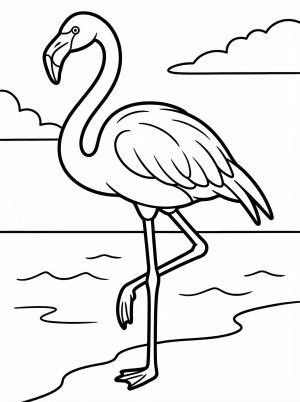
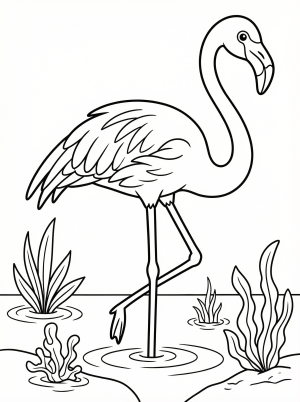
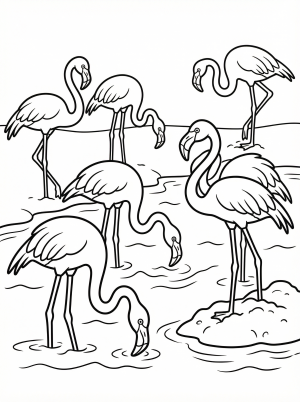
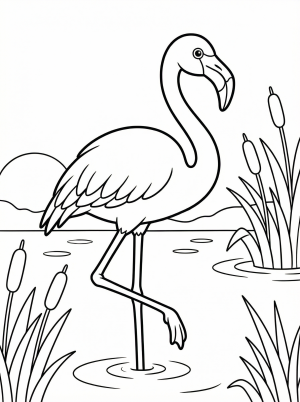
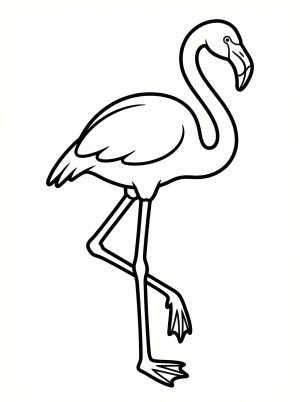
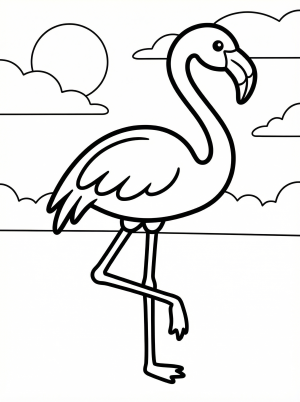
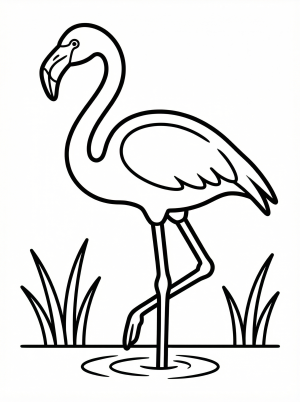
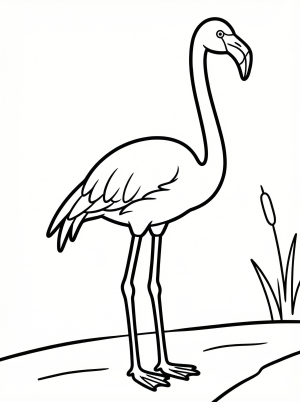
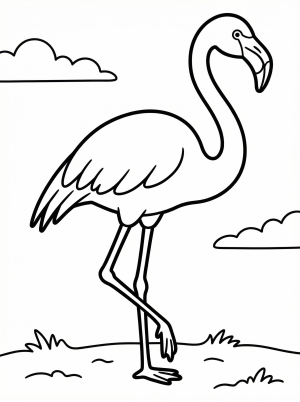
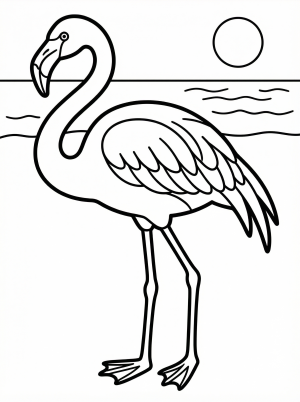
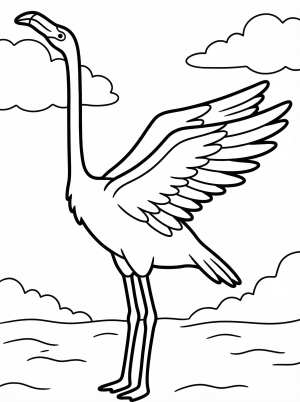
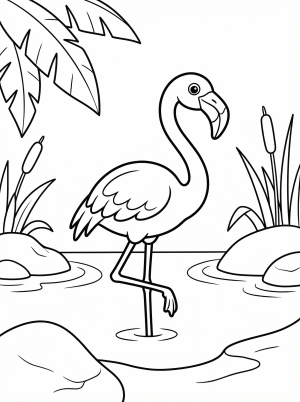
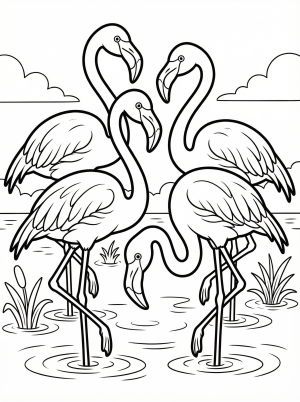
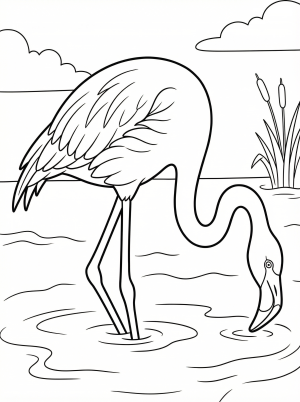
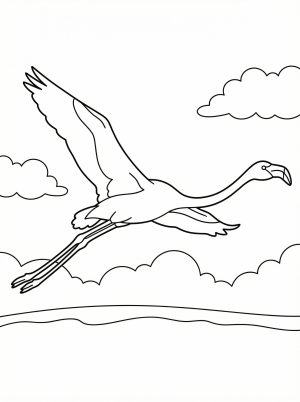
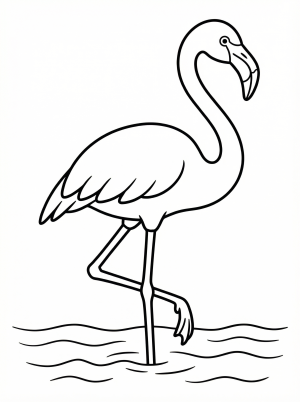
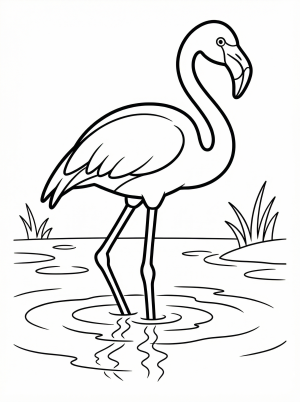


Educator's Guide to Flamingos Coloring Pages
The Educational Power of Flamingos
Flamingos, with their striking pink plumage and elegant stature, offer a wealth of educational opportunities far beyond simple coloring. Engaging with these creatures through art significantly enhances a child's fine motor skills, as the precise movements required to color within lines strengthen hand eye coordination and dexterity. Furthermore, the intricate details of a flamingo's feathers and its wetland environment encourage focused attention and patience, vital cognitive skills for early learners. This artistic engagement also sparks curiosity, prompting children to ask questions about these unique birds and their natural habitats, paving the way for deeper scientific exploration and environmental awareness.
Exploring the biology of flamingos provides a captivating entry point into natural science. Children can learn that the birds' iconic pink coloration is not innate but rather a result of their diet, rich in beta carotene found in brine shrimp and algae. This fascinating fact introduces fundamental concepts of nutrition and adaptation within ecosystems. Discussing their specialized filter feeding beaks and their peculiar habit of standing on one leg can lead to conversations about animal adaptations and physical balance. Observing their social behavior in large flocks also offers insights into group dynamics and communication in the animal kingdom, connecting biology with social studies and observation skills.
Classroom & Home Learning Ideas
Integrating flamingo coloring pages into learning activities can transform a simple art session into a multidisciplinary educational experience for both classroom and home environments. One creative approach involves using these sheets as a springboard for a science lesson on animal diets and ecosystems. Children might research what flamingos eat and then color their page according to what they imagine their flamingo has consumed, explaining the color choices afterward. Another engaging idea is to incorporate geography by locating the diverse habitats of flamingos around the world on a map, such as the African Rift Valley or the South American salt flats, perhaps even drawing these landscapes as backgrounds for their colored flamingos.
Educators and parents might also consider using the finished artwork as prompts for creative writing exercises. Children could craft short stories or poems from the perspective of a flamingo, describing its day, its friends, or its journey, fostering imaginative thinking and language development. Furthermore, these coloring pages can be part of a larger art project such as creating a diorama of a flamingo wetland. Students could color their flamingos, cut them out, and then construct a miniature habitat using various materials, enhancing their spatial reasoning and collaborative skills while reinforcing ecological concepts. Each activity moves beyond mere artistic expression to build a comprehensive understanding of these remarkable birds.
Artistic Development
Beyond factual learning, flamingo coloring pages serve as an excellent medium for developing advanced artistic skills. Children can experiment with color blending to achieve the nuanced pink, orange, and white shades of a flamingo's plumage. Using different pressures with colored pencils or crayons allows for the creation of soft gradients and realistic feather textures. Teachers and parents can guide children to observe real flamingo photographs, noting how light and shadow play on their bodies to suggest three dimensionality, then replicate these effects through shading techniques. Adding subtle darker tones to the underside of wings or legs, for instance, can make the flamingo appear more lifelike and add depth to the artwork.
Furthermore, these pages offer opportunities to think about composition and background elements. Encouraging children to add details like rippling water, tall reeds, or a distant horizon can teach them about perspective and environmental context. Different art mediums can also be explored; for example, watercolors can be used for soft, flowing effects for water and sky, while markers might provide vibrant, crisp colors for the flamingo itself. Discussing how different tools create different textures and visual impacts helps children understand the versatility of art materials and empowers them to make deliberate artistic choices, enhancing their overall creative confidence and skill set.
Coloring Tips & Techniques
- 1Discuss flamingo diet and the origin of their pink color while coloring.
- 2Challenge children to identify and label different flamingo body parts.
- 3Encourage imaginative storytelling about where their flamingo lives and what it does.
- 4Explore shading techniques to add depth to the flamingo's feathers and water reflections.
- 5Integrate geography by locating different flamingo species habitats on a world map.
Our Quality Guarantee to Educators
We believe classroom resources should be high-quality and stress-free. Every worksheet on WorksheetSource is personally printed and tested by our team to ensure it fits standard 8.5" x 11" paper with clean, sharp outlines.
Frequently Asked Questions
What makes flamingos pink, and how can children learn about it?
Flamingos acquire their iconic pink and orange hues from beta carotene pigments found in their diet of brine shrimp and algae. Children can learn this fascinating fact by researching their diet before coloring, discussing the concept of diet impacting appearance, and even observing how different colors are blended in their artwork, much like pigments are absorbed in nature. This activity connects biology to visual art in an engaging way.
How do these flamingo coloring pages help with a child's development?
These pages are excellent for fostering fine motor skills as children grip crayons and stay within lines, enhancing hand eye coordination. They also promote color recognition, critical thinking when selecting appropriate shades, and patience. Furthermore, the detailed designs can spark curiosity about natural sciences, expanding vocabulary and general knowledge about wildlife.
Flamingos Coloring in English