
Cows Coloring
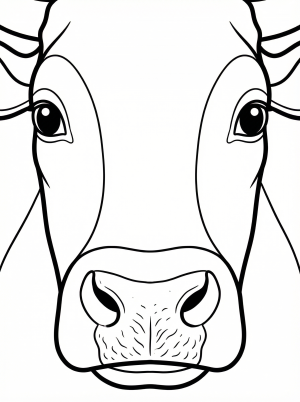
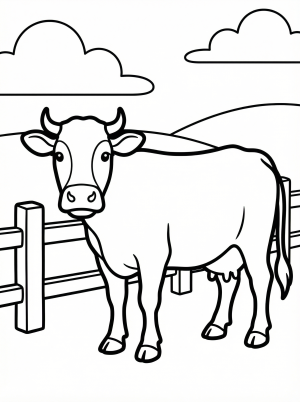
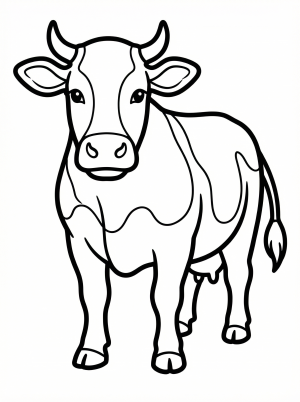
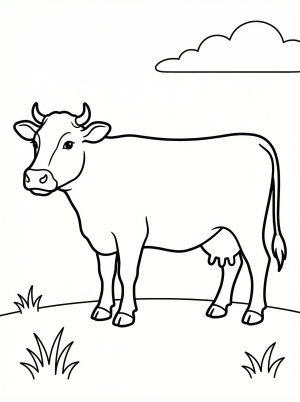
Step into the pastoral world of cows with our expertly crafted coloring pages, designed to captivate young minds and foster a deeper appreciation for farm animals. These high quality resources offer more than just creative outlets; they serve as engaging tools for learning about bovine life cycles, habitats, and their vital role in our ecosystem.
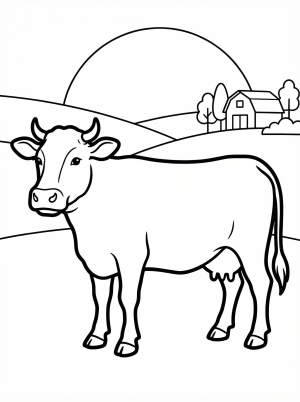
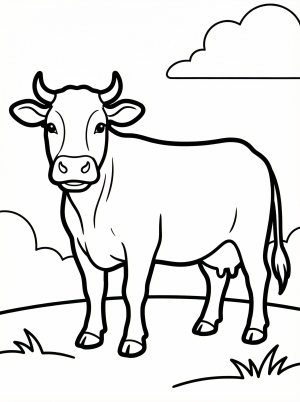
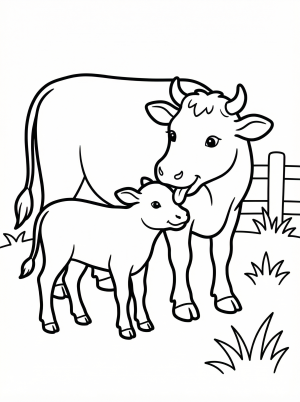
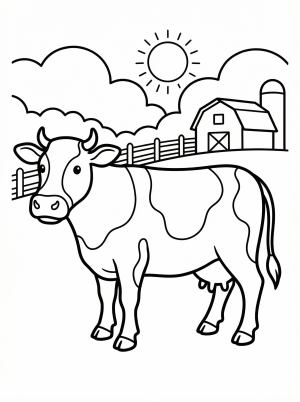
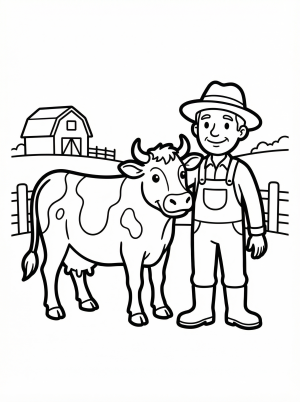
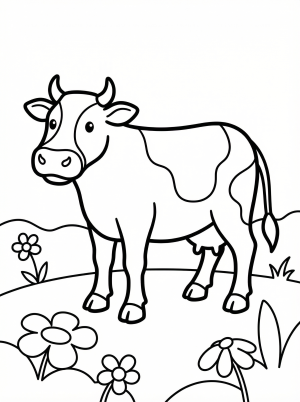
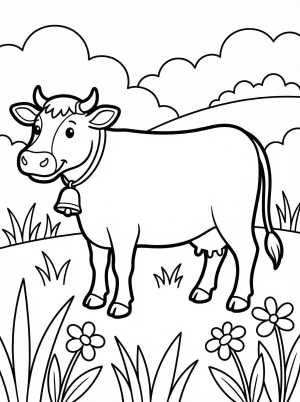
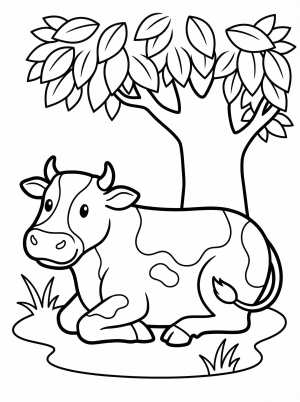
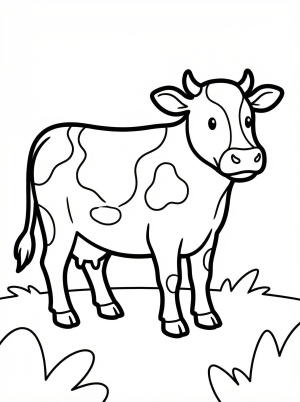
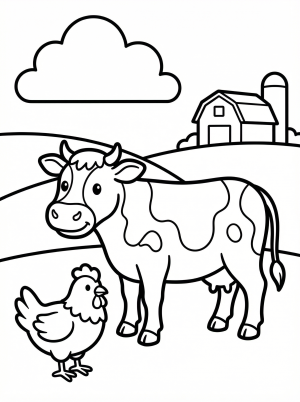
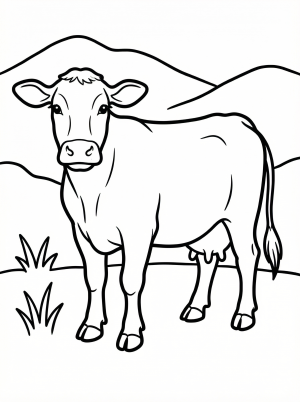
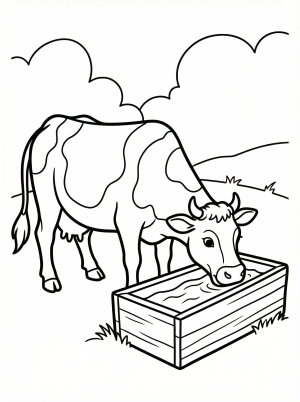
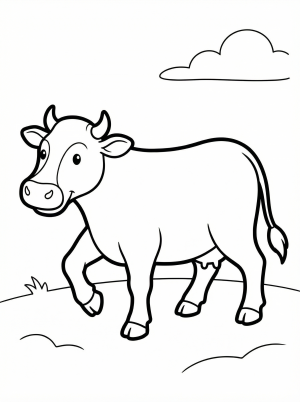
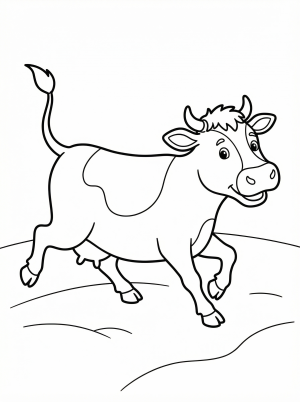
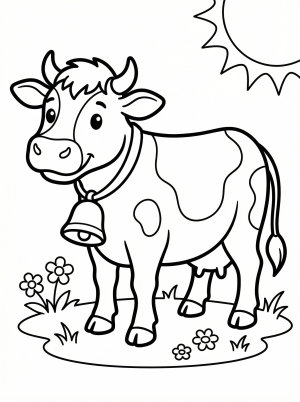
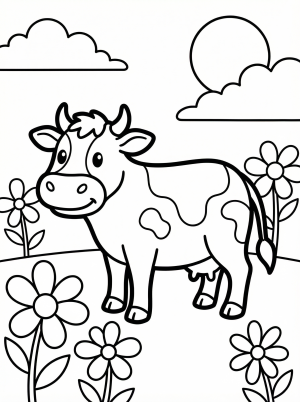
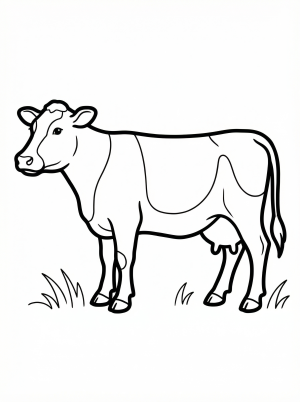
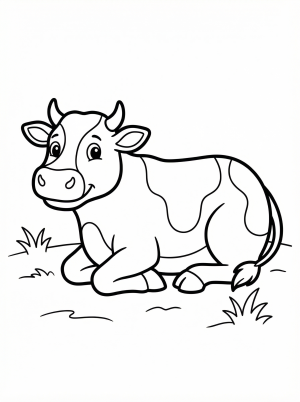
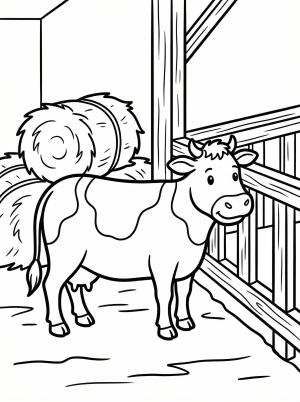
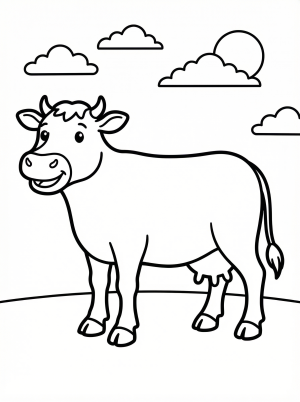
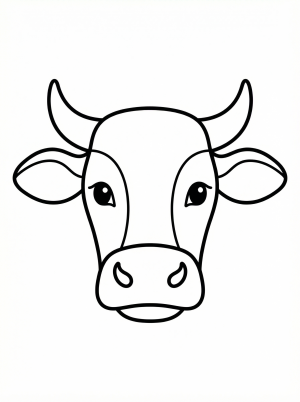


Educator's Guide to Cows Coloring Pages
The Educational Power of Cows
Cows, magnificent creatures integral to agriculture worldwide, offer a rich tapestry of educational opportunities for young learners. Exploring their biology provides a foundational understanding of mammals, herbivores, and the complex digestive systems that allow them to process tough plant matter. Children can discover different breeds, such as the iconic Holstein Friesian with its distinct black and white markings, or the rich brown Jersey cow known for its creamy milk, thereby expanding their vocabulary and recognition skills. Furthermore, learning about cow behavior, their social structures within herds, and the sounds they make, from gentle mooing to urgent bellowing, fosters empathy and a connection to the natural world. These coloring activities serve as a gateway to discussing broader topics like food sources, sustainable farming practices, and the journey of milk from farm to table, cultivating an early appreciation for where our food comes from and the labor involved in its production. Beyond the biological and agricultural insights, the act of coloring itself sharpens crucial developmental skills, enhancing fine motor control, improving hand eye coordination, and nurturing focus and concentration, all while providing a calming and creative outlet.
Classroom & Home Learning Ideas
Integrating cow coloring pages into educational settings can transform a simple activity into a multifaceted learning experience. Educators and parents might consider using these sheets as a starting point for a unit on farm animals, prompting discussions about other creatures found on a farm and their interrelationships. One creative approach involves encouraging children to research specific cow breeds before coloring, allowing them to accurately represent the animal's natural markings and develop research skills. Another engaging activity could be inviting children to imagine and draw the cow's natural habitat around the printed image, including pastures, barns, and fences, thereby fostering imaginative play and spatial reasoning. Furthermore, teachers can use these pages to introduce concepts of animal life cycles, discussing how calves grow into adult cows, linking biology with visual representation. These resources can also inspire storytelling where children invent narratives about their colored cow, detailing its adventures on the farm or its daily routine, significantly boosting language development and narrative skills.
Artistic Development
Elevating the coloring experience into a true artistic endeavor involves guiding children toward more sophisticated techniques. Instead of simply filling in outlines, encourage them to experiment with various shading methods to give their cow a three dimensional appearance. For instance, suggesting they use a darker shade along the edges or where shadows might naturally fall, such as under the belly or behind the legs, can create depth and realism. Teachers and parents could demonstrate how to blend colors smoothly, perhaps using a lighter and darker brown to create a convincing fur texture, moving beyond flat color application. Furthermore, considering the direction of light is a valuable artistic lesson; children can learn to imagine where the sun is in relation to the cow and apply lighter tones to areas that would be illuminated, while darkening areas in shadow. Exploring different artistic mediums, such as using crayons for solid blocks of color, markers for bold lines, or even watercolors for soft, blended effects, broadens their artistic repertoire and understanding of how different tools yield unique results. Ultimately, these practices not only enhance the visual appeal of their artwork but also instill foundational artistic principles applicable to future creative projects.
Coloring Tips & Techniques
- 1Discuss different cow breeds while coloring, noting unique features and their purpose.
- 2Encourage research into dairy or beef farms to understand their roles in food production.
- 3Create a complete farm scene by adding other animals, barns, and landscapes around the cow.
- 4Ask children to describe the cow's diet, sounds, and how it contributes to the farm.
- 5Use the finished artwork as a visual prompt for short stories about farm life and animal care.
Our Quality Guarantee to Educators
We believe classroom resources should be high-quality and stress-free. Every worksheet on WorksheetSource is personally printed and tested by our team to ensure it fits standard 8.5" x 11" paper with clean, sharp outlines.
Frequently Asked Questions
What are some interesting facts about cows to share with my child?
Cows are fascinating herbivores known for their four stomach compartments, which help them digest tough plant material. They are social animals often found in herds, and their unique patterns, much like human fingerprints, distinguish each individual. A mother cow's pregnancy typically lasts about nine months, resulting in the birth of a calf, and they produce milk to nourish their young, a process widely utilized in dairy farming.
How do these cow coloring pages benefit my child's development?
Engaging with cow coloring pages significantly supports several key developmental areas. Fine motor skills are refined as children grasp and manipulate crayons, markers, or pencils within the lines, improving dexterity and hand eye coordination. Cognitive development is boosted through color recognition, pattern identification, and the opportunity to learn about farm animals, fostering curiosity and expanding vocabulary related to agriculture and nature. Furthermore, the creative process itself encourages self expression and problem solving as children make artistic choices.
Cows Coloring in English