
Flowers Coloring Library
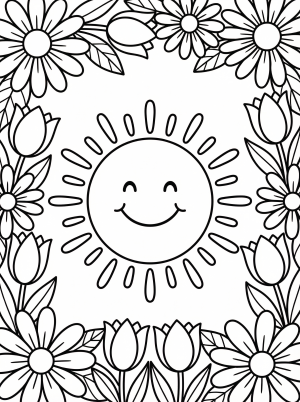
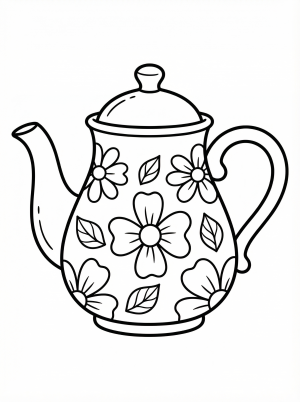
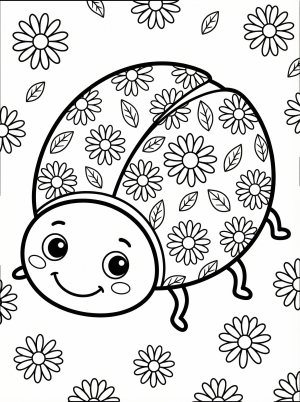
Unleash a world of natural beauty and learning with our premium collection of flower coloring pages. Designed by educators, these printable resources offer a unique blend of artistic expression and botanical education for children of all ages. Ignite curiosity and cultivate essential developmental skills with every vibrant stroke.
Browse by Theme
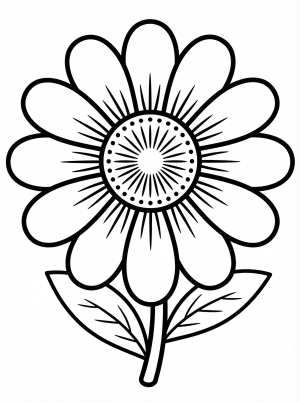
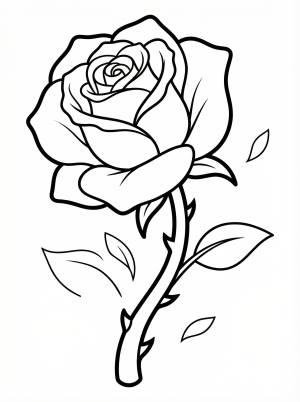
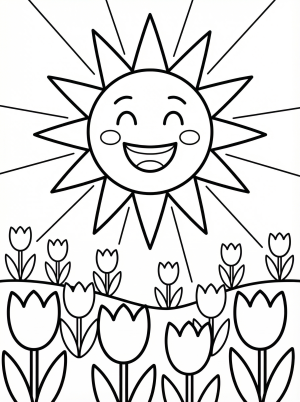
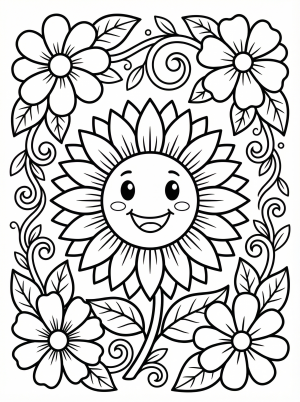
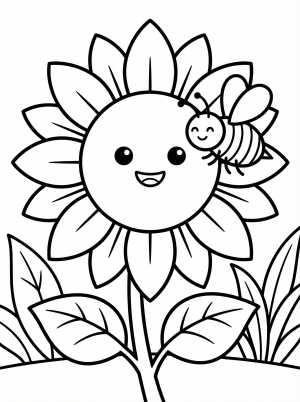
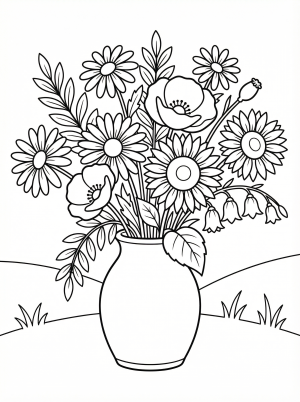
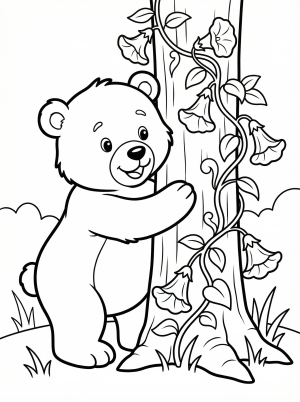
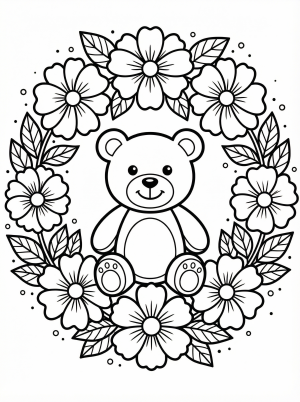
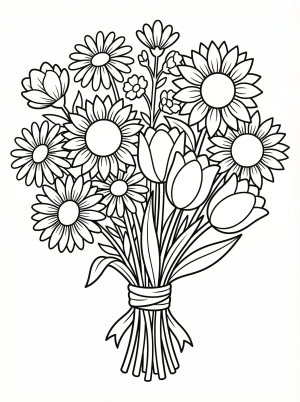
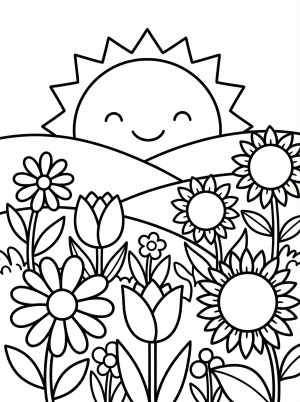
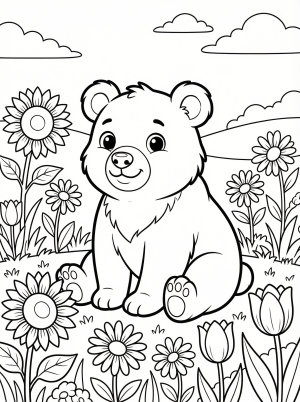
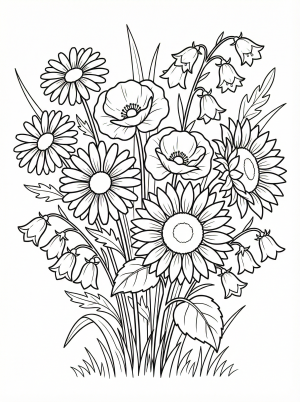
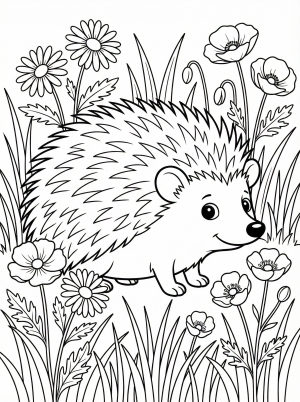
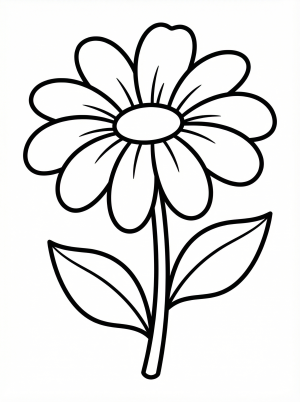
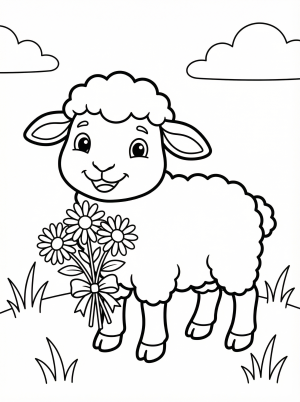
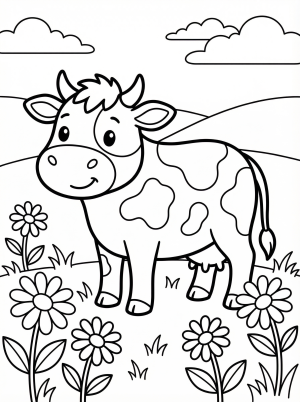
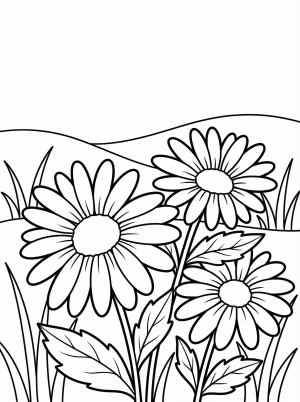
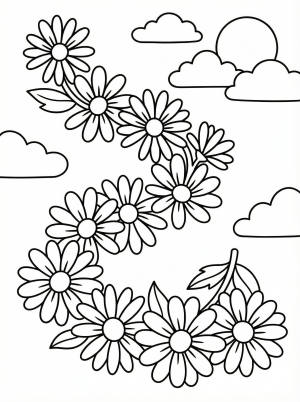
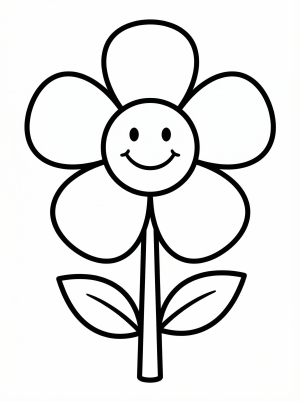
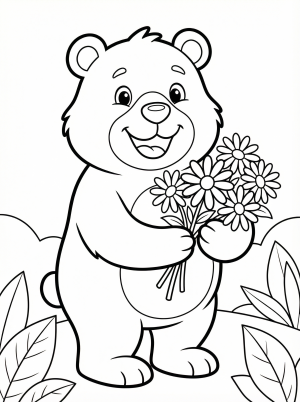
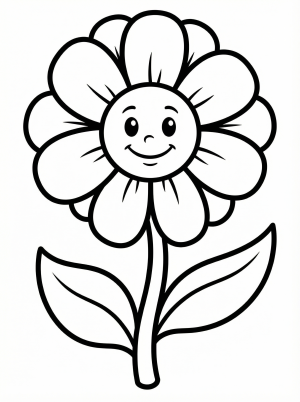
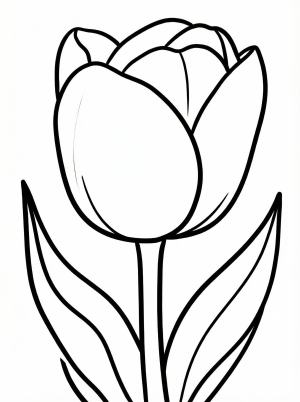
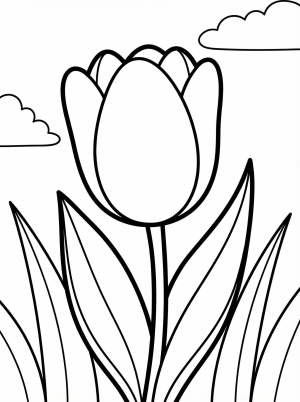
Expand your creative possibilities
Explore thousands of other premium educational resources within our global archive.
Educator's Guide to Flowers Coloring Pages
The Educational Power of Flowers Flowers are not merely objects of beauty; they are vital components of our planet's ecosystems and powerful tools for early childhood education. Engaging with flower coloring pages goes far beyond simple artistic activity. It introduces children to fundamental concepts in botany, biology, and environmental science. Kids can learn about the various parts of a flower such as petals, stems, and leaves, and begin to understand their functions. Discussion can naturally extend to topics like pollination, the role of insects like bees and butterflies, and the complete life cycle of plants, from seed to bloom. This direct engagement fosters an appreciation for nature's intricacies and biodiversity. Coloring flowers also encourages careful observation of shapes, patterns, and colors found in the natural world, enhancing visual discrimination and cognitive development. It is an accessible gateway to understanding the interconnectedness of living things and the importance of conservation, building a foundational respect for our environment in young learners.
Classroom & Home Learning Ideas Elevate the learning experience with these creative activities extending beyond basic coloring:
1. **Flower Anatomy Labeling Activity**: Print several distinct flower coloring pages. After coloring, encourage children to identify and label the key parts of the flower, such as the petal, stem, leaf, and center. This can be done with preprinted labels or by having older children write them out, reinforcing vocabulary and scientific understanding. 2. **Nature Journaling Prompt**: Use a finished flower coloring page as the starting point for a nature journal entry. Children can describe the flower, write a short story about it, or draw other elements they might find in a garden. This combines artistic expression with literacy and observational skills. 3. **Sensory Exploration and Comparison**: Pair the coloring activity with real flowers or images. Discuss the smells, textures, and varieties of actual flowers. Compare the colors chosen by the child with the true colors of the specific flower, fostering sensory awareness and critical thinking about natural representation. 4. **"Design Your Own Garden" Project**: Have children color multiple different flower pages. Then, provide a large blank sheet or poster board and scissors. They can cut out their colored flowers and arrange them to design their own imaginative garden, discussing which flowers they would plant together and why. This promotes planning, spatial reasoning, and creative expression.
Artistic Development Coloring flowers provides an excellent opportunity to develop fine motor skills and introduce basic art techniques. Encourage children to experiment with different shading techniques by varying pressure on their coloring tools, creating lighter and darker tones within a single petal. Discuss how light might hit the flower, creating highlights and shadows, and how these can be represented with color. Introduce the concept of layering colors, perhaps using a base color and then adding a slightly darker shade to create depth and dimension. For example, a light pink petal can have darker pink accents near the center or edges. Explore different art mediums such as crayons, colored pencils, markers, or even watercolors, discussing how each creates a unique texture and effect. This professional guidance nurtures artistic confidence and a deeper understanding of visual aesthetics.
Expert Teaching Tips
- 1Encourage children to observe real flowers in a garden or from photographs before coloring to enhance realism and detail recognition.
- 2Discuss the names of different flower parts as they color, building vocabulary and early botanical knowledge.
- 3Experiment with color mixing and shading techniques, teaching children how to create depth and dimension using varying pressure or multiple colors.
- 4Integrate storytelling about flowers, their life cycles, or their importance to pollinators like bees and butterflies to enrich learning.
- 5Suggest using various art materials such as crayons, colored pencils, and markers on different sections of the flower to explore texture and effect.
Our Quality Commitment
We personally print and test every flowers design. We guarantee crisp, bold lines optimized for 8.5" x 11" paper.
Frequently Asked Questions
What are some interesting facts about flowers I can share with my child?
Flowers come in an incredible array of shapes sizes and colors. Many flowers like sunflowers actually track the sun across the sky throughout the day. Some flowers are edible such as pansies and nasturtiums while others are vital for making medicines. They are essential for producing fruits and vegetables as they facilitate pollination. Discussing these fascinating aspects can spark immense curiosity and a love for nature.
How do these flower coloring pages help with children's development?
These flower coloring pages significantly aid development by enhancing fine motor skills and hand eye coordination through precise coloring. They foster creativity and color recognition as children choose and apply various hues. Additionally they improve focus and concentration while providing a relaxed environment for learning early science concepts and expanding vocabulary related to botany and nature. It is a holistic developmental tool.