
Roses Coloring
Discover an exquisite garden of learning with our premium collection of rose coloring pages, designed to captivate young minds and inspire artistic expression. Each printable provides a unique opportunity to explore the intricate beauty of roses while developing essential skills in a joyful, educational setting. Unlock a world where creativity blossoms alongside knowledge.
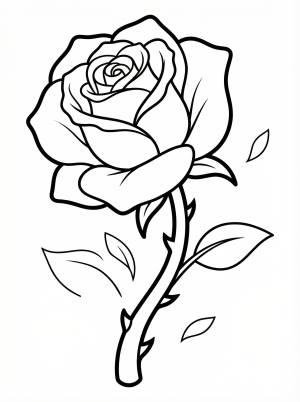
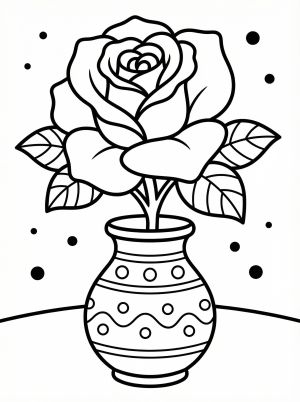
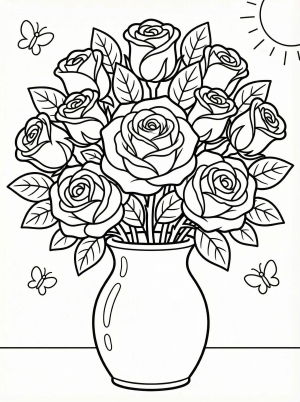
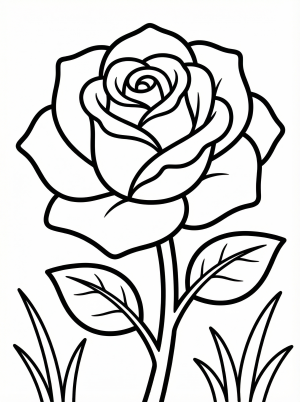
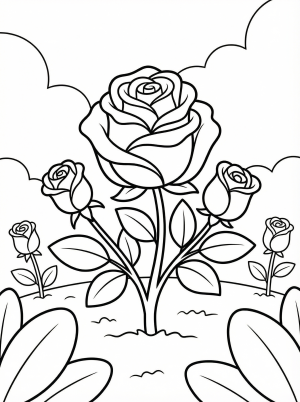
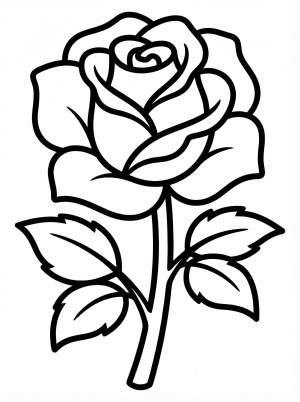
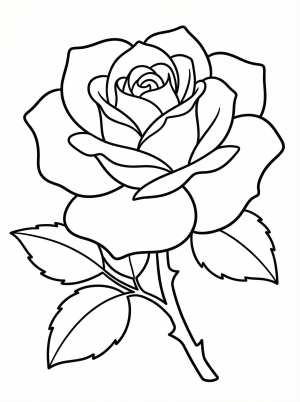
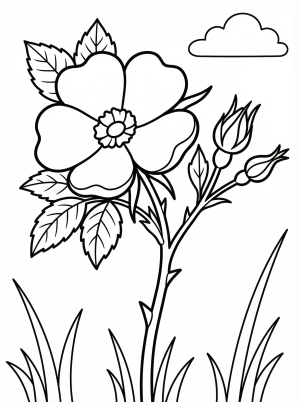


Educator's Guide to Roses Coloring Pages
The Educational Power of Roses
Roses, with their timeless beauty and rich history, offer far more than just visual appeal; they serve as powerful educational tools for learners of all ages. Engaging with rose themed activities allows children to explore botany, symbolism, and cultural significance in a hands on manner. For instance, children can learn about the different parts of a flower, identifying petals, sepals, and stems, while also discovering the vast diversity within the rose genus, from fragrant Hybrid Teas to clustered Floribundas. This exploration fosters a deeper understanding of plant anatomy and ecological systems, encouraging observation and critical thinking about the natural world around them. Furthermore, the act of coloring intricate rose patterns significantly enhances concentration and attention to detail, crucial cognitive skills that support academic success across various subjects. Understanding the role of roses in history and literature, from ancient gardens to modern poetry, also broadens cultural literacy and sparks curiosity about different civilizations and their artistic expressions.
Classroom & Home Learning Ideas
Integrating rose coloring pages into learning environments opens up a wealth of interdisciplinary opportunities far beyond simple artistic expression. Educators and parents might consider beginning a botanical observation project where children first examine a real rose, noting its colors, textures, and fragrance, before translating those observations onto their coloring sheet; this direct engagement strengthens observational skills and a connection to nature. Another engaging approach involves using the coloring pages as prompts for creative writing or storytelling exercises, encouraging children to imagine the life cycle of their rose or invent a fantastical tale featuring the flower. Furthermore, these pages can become part of a global studies lesson, exploring how roses are cultivated and celebrated in different countries and cultures, perhaps even researching the national flower of specific nations. A science focused activity could involve discussing what roses need to grow, like sunlight and water, turning the coloring experience into an introduction to plant care and basic horticulture.
Artistic Development
Coloring roses offers a magnificent opportunity to refine artistic techniques and develop a sophisticated understanding of color theory and shading. One effective technique involves layering colors to create depth and dimension within the petals, starting with a lighter shade as the base and gradually adding darker tones in the creases and shadows. Furthermore, paying close attention to the direction of light can dramatically enhance the realism of a colored rose; considering where the light source hits will inform where highlights and shadows naturally fall, making the flower appear more three dimensional. Experimenting with different coloring tools, such as crayons, colored pencils, and markers, allows children to discover how each medium creates unique textures and effects, expanding their artistic repertoire. Emphasizing the subtle color variations often found in real rose petals, such as hints of green or yellow near the base of a red petal, encourages keen observation and a more nuanced approach to color application. Finally, teaching children to blend colors smoothly, transitioning one hue into another, is a fundamental skill that transforms a simple coloring activity into a genuine art lesson, fostering precision and artistic expression.
Coloring Tips & Techniques
- 1Encourage children to observe real roses first, noting their diverse colors and intricate petal arrangements before coloring.
- 2Discuss the symbolism of different rose colors (e.g., red for love, yellow for friendship) to integrate cultural learning.
- 3Challenge older children to use shading and blending techniques to create realistic depth and dimension in their rose petals.
- 4Suggest exploring various art media, such as watercolors or pastels, to add new textures and artistic flair to the rose pages.
- 5Transform completed rose pages into personalized greeting cards or unique wall art, celebrating their artistic achievement.
Our Quality Guarantee to Educators
We believe classroom resources should be high-quality and stress-free. Every worksheet on WorksheetSource is personally printed and tested by our team to ensure it fits standard 8.5" x 11" paper with clean, sharp outlines.
Frequently Asked Questions
What are some fun facts about roses that kids would enjoy learning?
Roses are incredibly ancient flowers, with fossil evidence suggesting they existed 35 million years ago! There are thousands of different types of roses in the world, coming in almost every color imaginable except for true blue. Some roses can grow into huge bushes or even climb very tall structures, and their hips, the small fruits left after the petals fall, are packed with Vitamin C and sometimes used in teas or jams.
How do these help with development?
Engaging with rose coloring pages significantly enhances fine motor skills and hand eye coordination as children carefully color within lines and manipulate their coloring tools. This activity also fosters patience, attention to detail, and concentration. Furthermore, exploring color combinations and understanding where to place different hues stimulates creativity and introduces basic concepts of color theory, all while providing a calming and focused sensory experience.
Roses Coloring in English