
Wildflowers Coloring
Step into a world of natural beauty and botanical wonder with our exquisite collection of wildflower coloring pages. Designed by educators, these printable sheets transform simple art into a powerful learning experience, inviting children to explore the intricate details of nature while developing essential skills.
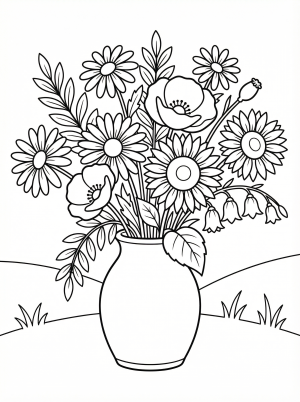
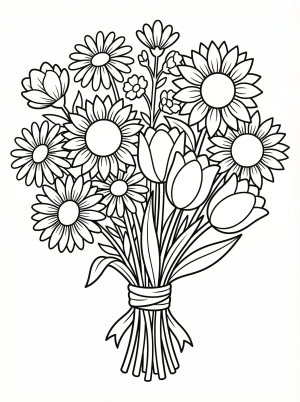
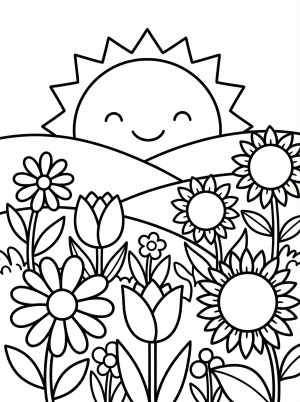
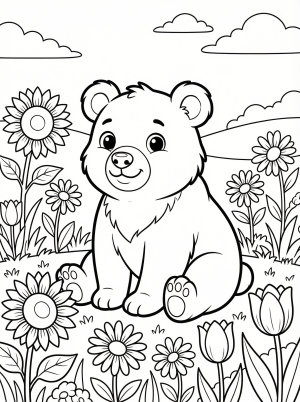
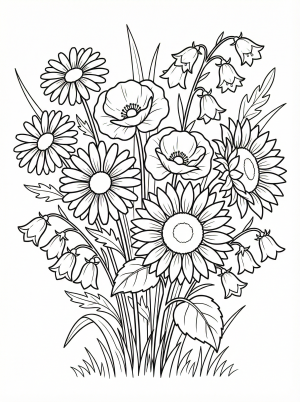
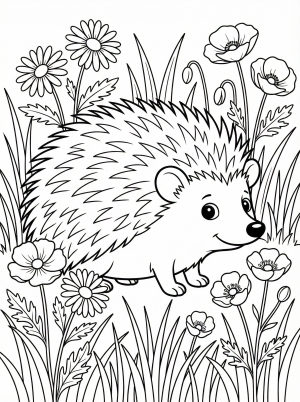
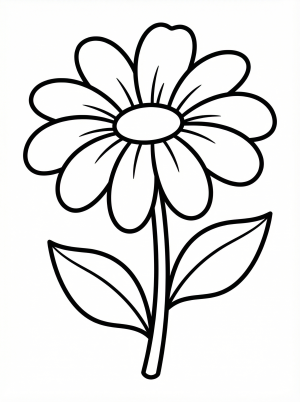


Educator's Guide to Wildflowers Coloring Pages
The Educational Power of Wildflowers Wildflowers are crucial components of ecosystems, supporting pollinators like bees and butterflies, which in turn are vital for food production. Engaging children with these images early on cultivates an appreciation for environmental stewardship and biological diversity. Learning about different species, their habitats, and their unique characteristics, such as petal count or leaf shape, naturally fosters observation skills and scientific curiosity. This direct exposure through visual engagement can spark an interest in botany, ecology, and the delicate balance of nature. Furthermore, discussing the life cycle of a plant from seed to bloom, using a wildflower as an example, provides a tangible and relatable introduction to biological processes and growth.
Classroom & Home Learning Ideas One highly effective approach for educators and parents is to use these coloring pages as a starting point for a 'Wildflower Scavenger Hunt.' Children can color a specific flower and then search for that same flower in a garden, park, or even online images, identifying its real world appearance. Another enriching activity involves creating a 'Wildflower Field Guide' where each colored page becomes an entry, prompting children to write a short fact or observation about the specific flower, thereby integrating art with literacy and research skills. Teachers might also encourage students to explore the geographic regions where certain wildflowers thrive, leading to discussions about climate and adaptation. Furthermore, transforming the colored pages into greeting cards or framed artwork adds a personal touch and a sense of accomplishment, showcasing their artistic endeavors and newfound botanical knowledge.
Artistic Development Beyond simple filling in, these wildflower designs offer rich opportunities for advanced artistic exploration. Encourage children to experiment with various shading techniques, such as cross hatching or stippling, to give petals and leaves a three dimensional appearance, enhancing their understanding of light and shadow. Discussing color theory, for instance, how different shades of green can create depth in foliage or how analogous colors like orange and yellow can make a flower vibrant, elevates the coloring experience from a basic task to an artistic lesson. For younger learners, perfecting grip and control while coloring intricate floral patterns refines essential fine motor skills and hand eye coordination. Older students can be challenged to blend colors smoothly to mimic the natural gradients found in real petals, requiring patience and a thoughtful application of mediums like colored pencils or markers.
Coloring Tips & Techniques
- 1Discuss wildflower names and characteristics as children color each species.
- 2Encourage real world observation; suggest finding these flowers outside or in books.
- 3Promote varied coloring techniques to add texture and depth to their artwork.
- 4Pair coloring sessions with a nature documentary or a child friendly book about plants.
- 5Create a 'Wildflower Journal' where colored pages are added alongside child written observations.
Our Quality Guarantee to Educators
We believe classroom resources should be high-quality and stress-free. Every worksheet on WorksheetSource is personally printed and tested by our team to ensure it fits standard 8.5" x 11" paper with clean, sharp outlines.
Frequently Asked Questions
What are some common wildflowers children can easily identify?
Children often begin their botanical journeys by recognizing easily identifiable wildflowers found in many backyards and parks. Common examples include the bright yellow dandelion, the familiar white and yellow daisy, the charming red clover, and the cheerful buttercup. Introducing these readily accessible species first helps build a foundation of recognition and encourages further exploration of the diverse plant kingdom around them.
How do these help with development?
Our wildflower coloring pages significantly contribute to several aspects of child development. Engaging with intricate floral designs enhances fine motor skills and hand eye coordination, crucial for writing and daily tasks. The act of choosing colors and interpreting natural forms stimulates creativity and self expression. Furthermore, the focused attention required to complete a page helps build concentration and patience, while learning about plant parts and species expands their cognitive understanding of the natural world.
Wildflowers Coloring in English