
Flower Patterns Coloring Pages
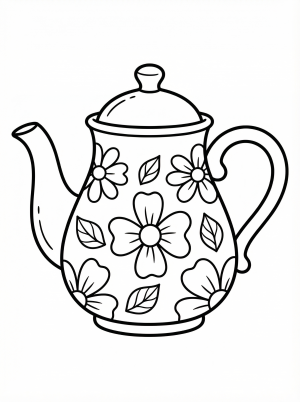
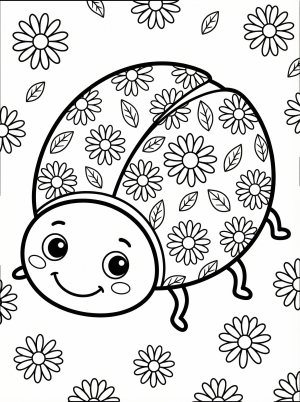
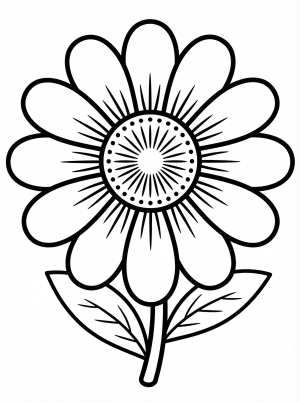
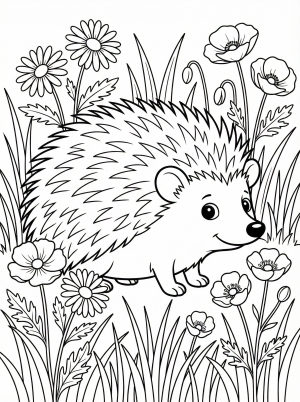
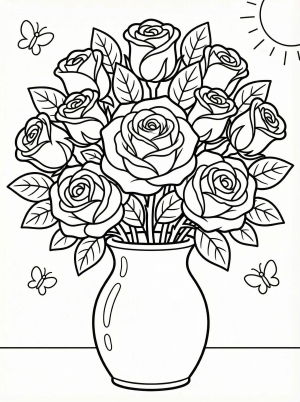
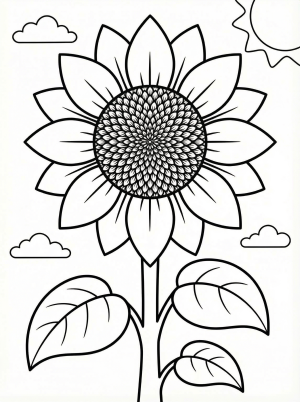
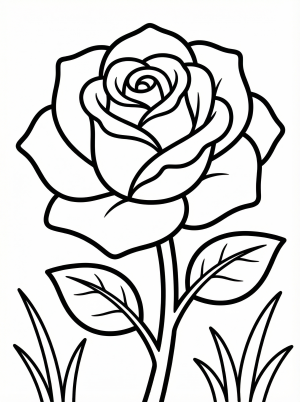
Step into a vibrant world of botanical beauty with our curated collection of flower pattern coloring pages. These intricate designs offer more than just an artistic outlet; they are powerful tools for fostering concentration, fine motor skills, and an early appreciation for the natural world. Unlock endless creative and educational possibilities for learners of all ages.
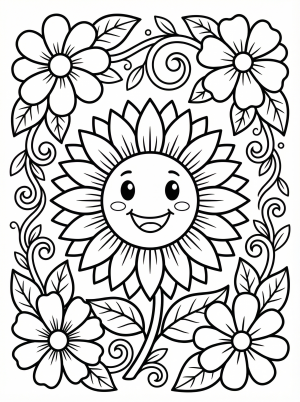
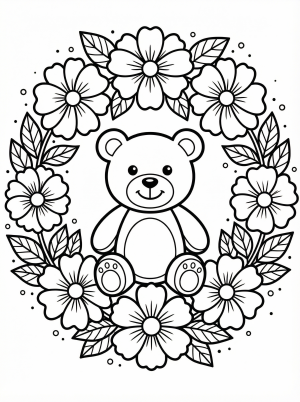
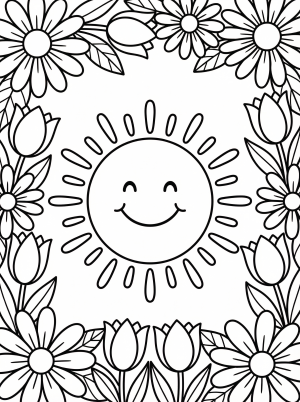

Discover more Flowers themes
Continue your creative journey with these other popular collections within the Flowers archive.
Educator's Guide to Flower Patterns Coloring Pages
The Educational Power of Flower Patterns
Engaging with flower pattern coloring pages transcends simple artistic expression, offering a rich tapestry of developmental benefits for learners of all ages. This activity significantly enhances fine motor skills as children meticulously guide their coloring tools within defined lines, refining hand eye coordination and muscle control essential for writing and other detailed tasks. Furthermore, exploring floral designs introduces foundational concepts of pattern recognition and symmetry, encouraging visual discrimination and analytical thinking. Discussions about various flower types, their parts, and lifecycle can organically arise from these pages, fostering an early interest in botany and the natural sciences. The act of choosing colors and interpreting patterns also stimulates cognitive flexibility and problem solving abilities, allowing children to experiment with different schemes and imagine new artistic possibilities. Beyond academic advantages, the focused nature of coloring provides a calming, meditative experience, reducing stress and promoting mindfulness, which contributes positively to emotional regulation and sustained attention spans.
Classroom & Home Learning Ideas
Integrating flower pattern coloring pages into structured learning environments or home activities unlocks numerous pedagogical opportunities beyond mere recreation. One might encourage children to research the specific types of flowers depicted on their pages, subsequently writing a short paragraph about the flower's characteristics or habitat, thus blending art with scientific inquiry and literacy skills. Another creative approach involves using these completed pages as inspiration for storytelling, where children invent narratives about where the flowers grow or what creatures visit them, fostering imaginative language development. Teachers might also consider creating a collaborative class garden mural, where each student contributes a colored flower pattern that is then arranged to form a larger, vibrant display, promoting teamwork and community art. Furthermore, these patterns can serve as templates for more complex art projects, such as designing fabric patterns or creating pressed flower collages, connecting the two dimensional activity to three dimensional crafts and design principles.
Artistic Development
Mastering flower patterns through coloring offers a superb pathway for cultivating advanced artistic techniques and a deeper appreciation for visual aesthetics. Aspiring artists can experiment with various coloring mediums, observing how crayons, colored pencils, or markers produce different textures and color intensities. A nuanced approach involves practicing shading and blending, where one applies lighter and darker tones of the same color to create depth and dimension within petals and leaves, making the flowers appear more lifelike. Exploring complementary color palettes, such as pairing violets with yellows or blues with oranges, teaches children about color theory and how different hues interact to create visual impact and harmony. Furthermore, defining outlines with darker shades or fine tipped pens after initial coloring can dramatically enhance the clarity and professionalism of the artwork. Encouraging children to observe real flowers and then attempt to replicate those natural color variations on their coloring pages can significantly sharpen their observational skills and artistic fidelity.
Expert Teaching Tips
- 1Discuss flower parts and their natural colors with children as they color, enriching botanical knowledge.
- 2Encourage observation of real flowers in a garden or park to inspire more realistic or imaginative color choices.
- 3Prompt creative storytelling or poem writing based on the flower patterns, fostering language arts skills.
- 4Introduce basic color theory by discussing warm and cool colors, or contrasting and complementary hues.
- 5Transform finished coloring pages into personalized greeting cards, framed art, or unique classroom decor.
Our Quality Commitment
We personally print and test every flower patterns design. We guarantee crisp, bold lines optimized for 8.5" x 11" paper.
Frequently Asked Questions
What specific skills do flower pattern coloring pages develop in children?
Flower pattern coloring pages are excellent for cultivating fine motor skills, refining hand eye coordination, and enhancing visual discrimination abilities. They also introduce fundamental concepts of pattern recognition, symmetry, and color theory, all while fostering creativity and a calm, focused mindset.
How do these help with development?
These pages contribute significantly to cognitive and artistic development by encouraging sustained attention and problem solving skills as children navigate intricate designs. They promote an understanding of botanical forms and can spark an early curiosity about nature, thereby broadening a child's general knowledge and scientific literacy.