
Spring Flowers Blooming Coloring
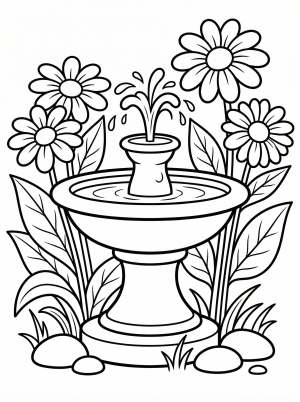
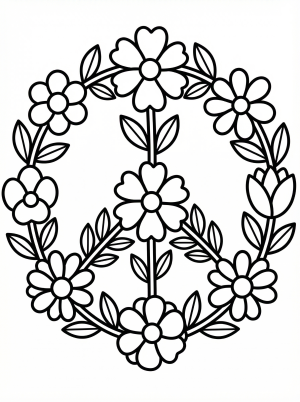
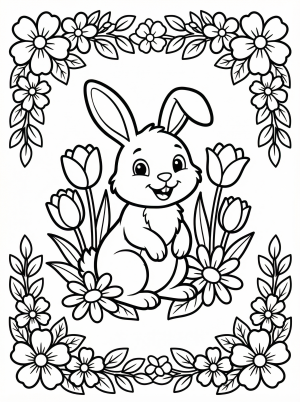
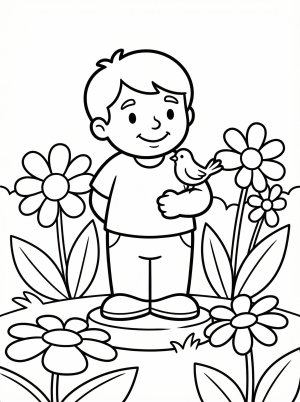
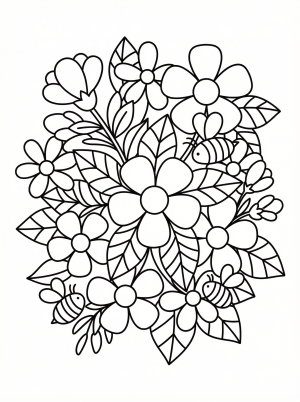
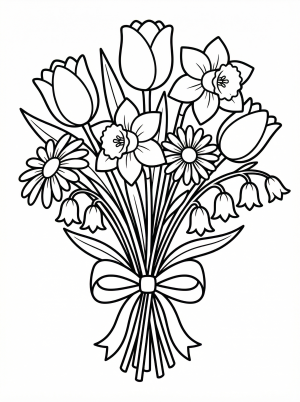
Welcome to a vibrant garden of learning! Our extensive collection of 55 free printable spring flower coloring pages offers an unparalleled opportunity to engage young minds with nature's beauty and educational exploration. Dive into a world where art meets science, fostering creativity and foundational knowledge about the blooming season.




Discover more Seasons themes
Continue your creative journey with these other popular collections within the Seasons archive.


Educator's Guide to Spring Flowers Blooming Coloring Pages
The Educational Power of Spring Flowers Spring flowers represent renewal and the beginning of a new growth cycle, offering a fantastic context for scientific exploration. Children can learn about photosynthesis, the vital role of sunlight and water, and how different plant parts like roots, stems, leaves, and petals contribute to a flower's survival and reproduction. Observing various flower shapes and sizes naturally encourages early classification skills, helping children understand biodiversity and the unique characteristics of species such as tulips, daffodils, and crocuses. Furthermore, this engagement sparks curiosity about ecosystems and the crucial interdependence between plants and pollinators, fostering a deeper appreciation for nature. Vocabulary expansion is another significant benefit, as children learn specific terms like 'petal,' 'stamen,' 'pistil,' 'nectar,' and 'germination,' enriching their language development and scientific literacy. This immersive experience extends beyond simple memorization, cultivating an inquisitive mindset that is essential for lifelong learning.
Classroom & Home Learning Ideas One engaging way to utilize these coloring pages is to encourage children to create their own "Spring Flower Field Guide" by coloring different species and then researching their names, habitats, and unique characteristics. This combines artistic expression with research skills and fosters a sense of scientific discovery. Another creative approach involves turning the colored pages into a collaborative mural depicting a vibrant spring garden, where each child contributes a unique flower, illustrating the concept of community and individual contributions to a larger whole. Teachers might also consider using the finished pages as prompts for storytelling or poetry writing, asking children to imagine the life of a bee or the journey of a seed, thereby developing language arts skills and imaginative thinking. For a hands on learning experience, children could compare their colored flower pages with real flowers found during a nature walk, identifying similarities and differences, which enhances observational skills and connects art to the natural world.
Artistic Development Engaging with spring flower coloring pages offers rich opportunities for artistic development beyond simple fill in the lines. Encourage children to experiment with color blending by using two or more shades of a single color, such as light green and dark green for leaves, to create depth and realism. Introducing the concept of shading can transform flat images into three dimensional representations, perhaps by adding a darker hue to areas that would naturally be in shadow, like under a petal. Furthermore, discussing complementary colors, such as purple and yellow, while coloring can introduce fundamental color theory principles in a practical and engaging manner. Children can also be guided to vary their pressure on coloring tools to create different textures, making a smooth petal distinct from a rough stem, which refines their fine motor control and artistic sensitivity. Emphasizing careful line work and attention to detail while staying within the lines also strengthens hand eye coordination and patience, essential skills for any budding artist.
Coloring Tips & Techniques
- 1Encourage naming each flower species after coloring it.
- 2Discuss the flower's life cycle from seed to bloom.
- 3Compare colored pages to real flowers or botanical images.
- 4Prompt discussions about the flower's natural habitat and pollinators.
- 5Use different art mediums like watercolors or pastels for varied textures.
Our Quality Guarantee to Educators
We believe classroom resources should be high-quality and stress-free. Every worksheet on WorksheetSource is personally printed and tested by our team to ensure it fits standard 8.5" x 11" paper with clean, sharp outlines.
Frequently Asked Questions
What are the best ways to discuss different spring flowers with young children?
Start by focusing on observable characteristics like color, number of petals, and scent. Introduce common names such as 'daffodil' or 'tulip' and briefly mention interesting facts, perhaps where they grow or what insects visit them. Using simple language and visuals from the coloring pages helps reinforce learning.
How do these help with development?
Beyond fostering artistic expression, spring flower coloring pages significantly enhance fine motor skills, hand eye coordination, and color recognition. They also introduce foundational botanical concepts, expand vocabulary, and encourage observational skills, contributing to cognitive and scientific literacy development.
Spring Flowers Blooming Coloring in English