
Garden With Vegetables Growing Printable
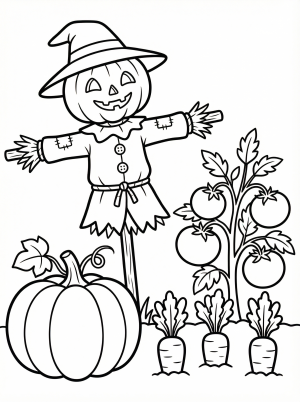
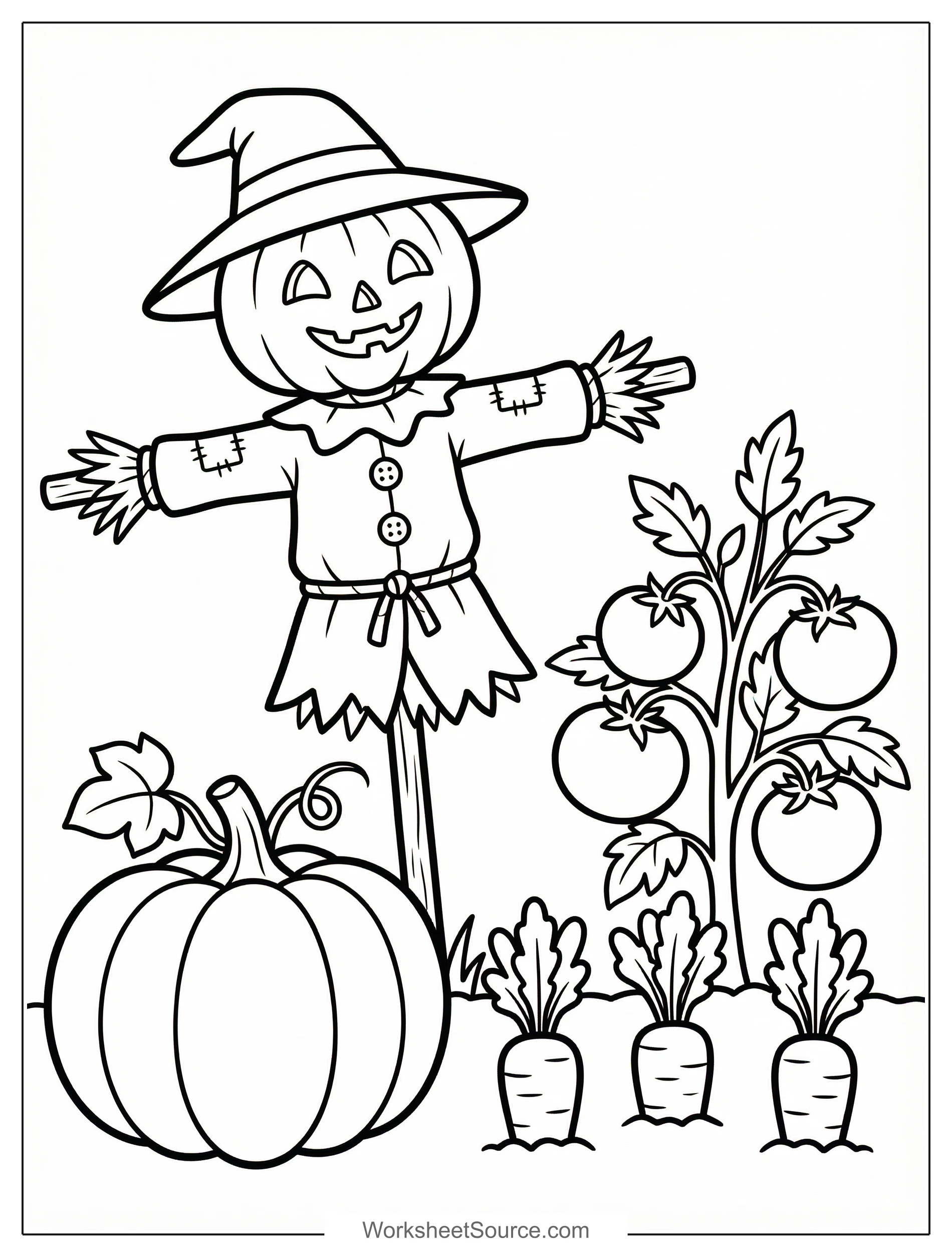
Ignite creativity and learning with our complimentary printable garden coloring page. Children can explore vibrant vegetables, fostering fine motor skills, enhancing color recognition, and cultivating an appreciation for nature's bounty. This activity is perfect for young artists.
Instant AccessGet the PDF
- Resolution
- 300 DPI
- Difficulty
- Easy
Educator's Guide & Activity Ideas
Did you know that some of the earliest forms of cultivation originated over 12,000 years ago, marking a pivotal shift for human societies from nomadic hunter-gatherers to settled communities? This fundamental practice of growing food continues to nourish us and deeply connects us to natural cycles and our environment. Observing a simple seed transform into a vibrant plant bearing delicious produce offers profound lessons in patience, biology, and sustainability for all ages. Understanding where our food originates fosters a greater appreciation for nutrition and the complex processes of life.
Engaging with themes of nature and agriculture, such as exploring a vegetable garden, offers significant developmental advantages for young learners. Children enhance their fine motor skills and hand-eye coordination as they carefully color each leaf and root. Beyond artistic expression, this activity introduces foundational concepts of botany, plant life cycles, and the importance of healthy eating habits. It encourages curiosity about the natural world and promotes an early understanding of environmental stewardship, establishing a foundation for future scientific inquiry and responsible citizenship.
Teachers can incorporate this printable into a plant science unit, asking students to label different vegetables or identify parts of a plant once colored. A 'Garden Planning' activity could involve students drawing what they would grow in their own gardens, discussing essential soil needs and sunlight. For parents at home, a fun 'Vegetable Detective' game can be played, wherein children identify vegetables on the page and then search for them in a grocery store or their own refrigerator, thereby learning names and recognizing shapes. This interactive approach makes learning about healthy food sources both engaging and memorable for children, connecting artistic expression with real-world experiences.
Curriculum Standard Alignment
This coloring page seamlessly connects to early science standards by introducing plant life cycles and healthy eating. It also supports fine motor skill development essential for early literacy and fosters an appreciation for nature.
Coloring Tips & Techniques
Encourage young artists to experiment with a vibrant spectrum of greens for leaves and stems, ranging from light lime to deep forest emerald. Recommend utilizing warm reds and oranges for ripe tomatoes and carrots, and soft yellows for corn kernels, considering how sunlight might gently fall. Emphasize the importance of mixing colors and observing real garden hues to bring both depth and realism to their artwork.
Educational Milestones
- Fine Motor PrecisionRefines small muscle movements in the hands and fingers, essential for writing readiness.
- Spatial AwarenessHelps children understand boundaries, lines, and shapes in a structured environment.
Recommended For
Preschool & Elementary Learners
Frequently Asked Questions
Our Quality Guarantee to Educators
We believe classroom resources should be high-quality and stress-free. Every worksheet on WorksheetSource is personally printed and tested by our team to ensure it fits standard 8.5" x 11" paper with clean, sharp outlines.
Classroom & Personal Use
Yes! All our coloring pages are free for personal, classroom, and homeschool use. Print as many as you need.
Paper & Print Sizes
Every design is formatted for US Letter (8.5 x 11"). We recommend printing at 100% scale for best line crispness.
Digital Tablet Use
Absolutely. Our PDFs work perfectly in digital coloring apps like Procreate, GoodNotes, and similar tablet software.