
Animal Mandalas Coloring Pages
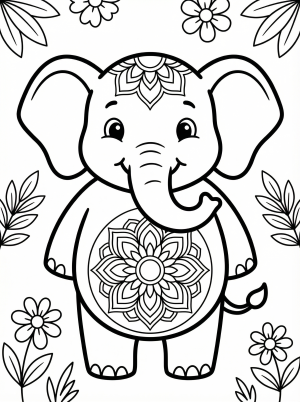
Discover the unique intersection of art and mindfulness with our exquisite collection of animal mandala coloring pages. These intricate designs offer more than just a creative outlet; they are powerful tools for focus, relaxation, and artistic development, perfect for learners of all ages. Immerse yourself in a world where nature meets geometric beauty, transforming simple coloring into a profound educational experience.
Discover more Mandalas themes
Continue your creative journey with these other popular collections within the Mandalas archive.

Educator's Guide to Animal Mandalas Coloring Pages
The Educational Power of Animal Mandalas
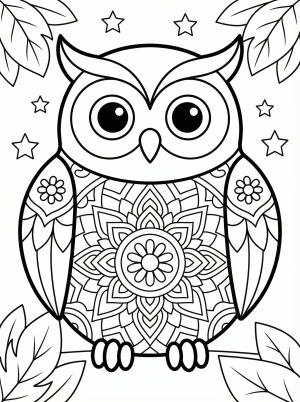
Animal mandalas represent a captivating blend of geometric artistry and the natural world, offering profound educational and developmental benefits beyond mere entertainment. Rooted in ancient spiritual and cultural traditions, mandalas are intricate circular designs symbolizing the universe, unity, and wholeness. When infused with animal imagery, they invite deeper engagement, combining the meditative qualities of mandala creation with the symbolic power and natural allure of various creatures. Engaging with these designs cultivates heightened concentration and sustained focus, as individuals meticulously navigate detailed patterns and fine lines. This sustained attention helps in developing patience and perseverance, essential qualities for academic and life success. Furthermore, the act of coloring these complex forms significantly enhances fine motor skills and hand eye coordination, critical for handwriting, drawing, and many daily tasks. Exploring animal mandalas also subtly introduces concepts of pattern recognition, symmetry, and basic geometry, laying foundational understanding in a visually appealing and accessible format. Each animal within a mandala can spark curiosity about biology, habitats, and conservation, making the activity a springboard for broader scientific inquiry and environmental awareness. The symbolic associations of different animals, such as the wisdom of an owl or the strength of a lion, can also inspire discussions about character traits and cultural narratives.
Classroom & Home Learning Ideas
Animal mandalas can be creatively integrated into both classroom curricula and home learning environments to maximize their educational impact. One innovative approach involves using these sheets as a starting point for a research project; students could select an animal mandala, color it, and then research facts about that animal’s habitat, diet, and unique characteristics, presenting their findings alongside their artwork. Another engaging activity is to connect coloring with creative writing; after completing a mandala, children could compose a short story or poem inspired by the animal and the patterns they colored, fostering literacy and imaginative expression. Educators might also consider a color theory exercise where students are challenged to use specific color palettes for their animal mandala, such as complementary colors or analogous colors, to observe their visual effects and learn about artistic principles. A further enriching activity is to utilize these mandalas as a mindfulness or calm down tool; children can be encouraged to color silently for a set period, focusing solely on the intricate lines and their breath, promoting emotional regulation and stress reduction during transitions or after high energy activities. Parents can similarly facilitate discussions about feelings and colors, asking how specific hues make their child feel, thereby fostering emotional literacy.
Artistic Development
Mastering the art of coloring animal mandalas offers an excellent pathway for artistic development, fostering precision, creativity, and an appreciation for detail. To achieve a professional finish, it is beneficial to begin by selecting a diverse range of high quality coloring tools, perhaps incorporating colored pencils for fine details, markers for vibrant areas, and even pastels for softer effects. One technique for enhancing depth involves layering colors; start with a light base color, then gradually add darker shades of the same color or a complementary hue to create shadows and highlights, making the animal and its surrounding patterns appear more dimensional. Exploring color blending is another valuable skill; by gently rubbing or layering different colors, artists can achieve seamless transitions and unique shades, moving beyond simply filling in spaces. Furthermore, paying close attention to the direction of strokes can significantly impact the final look, with consistent strokes creating a smooth texture and varied strokes adding dynamic movement. Encouraging experimentation with different pressure levels on the coloring tool can also reveal a spectrum of color intensities, from light and airy to rich and bold. Finally, embracing imperfections and allowing for individual interpretation rather than striving for an exact replica of the original image encourages personal artistic expression and confidence.
Expert Teaching Tips
- 1Before coloring, discuss the animal's natural habitat and unique characteristics to deepen engagement.
- 2Encourage using diverse coloring tools like pencils, markers, and gel pens to experiment with texture.
- 3Prompt children to explain their color choices and how they reflect the animal or their feelings.
- 4Display finished mandalas prominently to celebrate effort and stimulate further artistic endeavors.
- 5Introduce timed coloring sessions to cultivate focused attention and mindful engagement.
Our Quality Commitment
We personally print and test every animal mandalas design. We guarantee crisp, bold lines optimized for 8.5" x 11" paper.
Frequently Asked Questions
What exactly is an animal mandala and why is it beneficial for children?
An animal mandala combines the ancient art of mandalas, which are intricate circular designs symbolizing wholeness, with the imagery of various animals. For children, this fusion offers numerous benefits including enhanced concentration through detailed coloring, improved fine motor skills from precise movements, and a calming activity that promotes mindfulness and emotional regulation. It also provides a unique opportunity to learn about animal biology and symbolism in an engaging, artistic context.
How do these help with development?
Animal mandalas significantly contribute to cognitive, motor, and emotional development. Cognitively, they boost focus, pattern recognition, and problem solving as children decide on color schemes and execution. Motorically, the intricate designs refine fine motor skills, hand eye coordination, and grip strength, crucial for writing and drawing. Emotionally, the meditative nature of coloring reduces stress, fosters patience, and encourages self expression, helping children develop a sense of accomplishment and calm.