
Ice Cream Coloring Pages Coloring
Dive into a delightful world of frozen treats with our expansive collection of 55 premium ice cream coloring pages. These engaging printable sheets offer more than just creative fun; they are a fantastic resource for developing essential skills and sparking imaginative learning across various age groups. Elevate your child's playtime or enhance your classroom activities with these expertly designed educational resources.
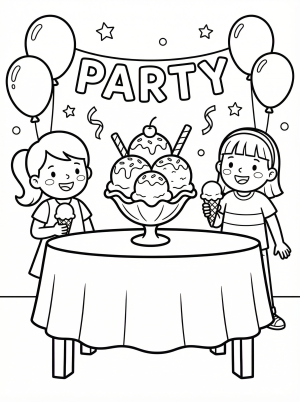

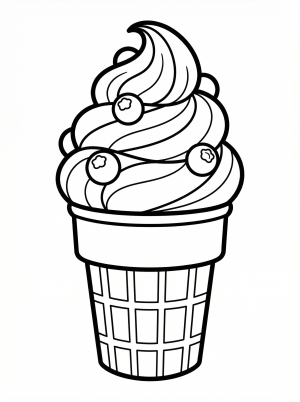
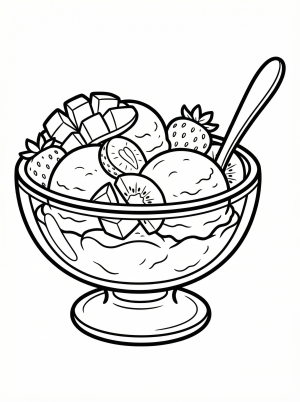
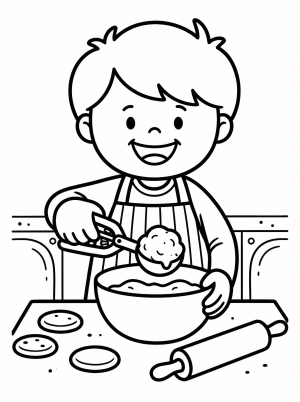




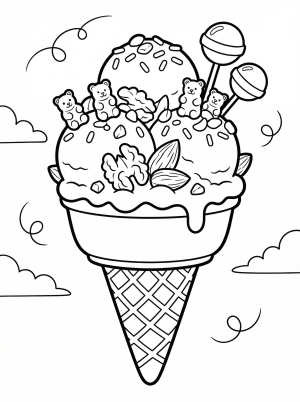







Educator's Guide to Ice Cream Coloring Pages Coloring Pages
The Educational Power of Ice Cream Coloring Pages Ice cream coloring pages offer a surprisingly rich educational landscape, extending far beyond simple artistic expression. Engaging with these vibrant sheets provides children with invaluable opportunities to refine their fine motor skills, which are crucial for handwriting and daily tasks. The act of grasping crayons or markers and staying within lines strengthens hand eye coordination and dexterity, while also building critical foundational skills for future academic success. Furthermore, these pages serve as an excellent vehicle for color recognition and exploration, prompting children to identify and differentiate between various hues, or even experiment with color mixing to create new shades for their imaginative sundaes and cones. Beyond the physical benefits, ice cream themes can introduce early mathematical concepts such as counting scoops, identifying different shapes in toppings and cones, and understanding patterns found in sprinkles or waffle designs. They can also spark conversations about different flavors, ingredients, and even the simple science behind how ice cream is made, fostering a curiosity about the world around them and enriching their vocabulary related to food and sensory experiences.
Classroom & Home Learning Ideas Integrating ice cream coloring pages into learning environments can transform them into dynamic educational tools. One creative approach involves using the completed pages as prompts for storytelling; children can describe the adventure of their ice cream character or invent a unique flavor and its special properties. Teachers might also consider incorporating these sheets into simple math lessons, perhaps asking children to count the number of scoops on their page, or to add imaginary sprinkles to reach a specific number. Furthermore, these pages can become a visual aid for language arts activities where students describe their chosen ice cream using descriptive adjectives, thus expanding their vocabulary and improving their communication skills. A wonderful opportunity for cross curricular learning arises when children are encouraged to research various ice cream traditions from different cultures, turning a simple coloring activity into a global exploration of food and customs. Finally, pairing the coloring pages with a pretend ice cream shop setup allows for imaginative role playing, which enhances social skills and encourages collaborative play, making learning both fun and interactive.
Artistic Development with Ice Cream Themes Developing artistic skills through ice cream coloring pages involves thoughtful application of various techniques that elevate the final masterpiece. To begin, encourage children to consider how light falls on rounded objects like scoops of ice cream; by applying slightly darker shades on one side and lighter shades on the other, they can create a sense of three dimensional form and depth. This simple shading technique helps them understand volume and perspective. Furthermore, representing different textures is key to bringing an ice cream drawing to life; children can use short, choppy strokes for sprinkles to convey a granular feel, or long, smooth strokes for the ice cream itself to suggest its creamy consistency. Experimenting with color blending is also highly beneficial, as combining two or more colors on a single scoop can beautifully illustrate swirled flavors or the transition of melted ice cream. Discussing the choice of background colors to make the ice cream stand out, or adding a simple setting like a picnic table or a sunny beach, can also teach principles of composition. Moreover, encourage the use of diverse art mediums, such as markers for vibrant, solid colors, colored pencils for subtle blending and detail, or even watercolors for soft, dreamy effects, each offering a unique way to express their artistic vision and understand how different tools create different visual impacts.
Coloring Tips & Techniques
- 1Engage in conversations about healthy eating habits and moderation when discussing ice cream.
- 2Challenge children to invent new ice cream flavors and describe their unique taste and texture.
- 3Utilize the pages to practice counting, adding, or subtracting scoops and toppings.
- 4Encourage children to explore different coloring techniques like shading or blending for added realism.
- 5Facilitate discussions about where ice cream comes from and the ingredients involved.
Our Quality Guarantee to Educators
We believe classroom resources should be high-quality and stress-free. Every worksheet on WorksheetSource is personally printed and tested by our team to ensure it fits standard 8.5" x 11" paper with clean, sharp outlines.
Frequently Asked Questions
What are the hidden learning benefits of ice cream coloring pages for children?
Ice cream coloring pages offer numerous hidden learning benefits including the development of fine motor skills through precise coloring, enhanced hand eye coordination, and improved concentration. They also stimulate creativity and imagination as children choose colors and envision unique flavor combinations. Furthermore, these pages can introduce concepts of color theory, pattern recognition, and even basic math through counting elements like scoops or sprinkles, making them a valuable educational resource.
How do these specific ice cream themes support a child's overall development?
These ice cream themed coloring pages significantly support a child's overall development by fostering cognitive skills through decision making about colors and patterns, and emotional development by providing a creative outlet for self expression and joy. Physically, they strengthen finger and hand muscles, essential for writing and other tasks. Socially, they can serve as a catalyst for conversations about sharing, preferences, and cultural food traditions when used in group settings, thus contributing to a holistic developmental experience.
Ice Cream Coloring Pages Coloring in English