
Triceratops Coloring
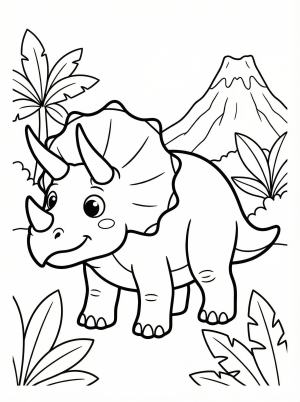
Embark on an epic prehistoric adventure with our expertly designed Triceratops coloring pages. These captivating resources are crafted not just for creative expression, but also to ignite curiosity about the Mesozoic Era and its magnificent inhabitants, offering a robust educational experience for young paleontologists.
Discover more Dinosaurs themes
Continue your creative journey with these other popular collections within the Dinosaurs archive.
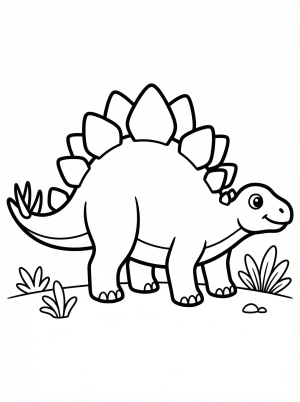
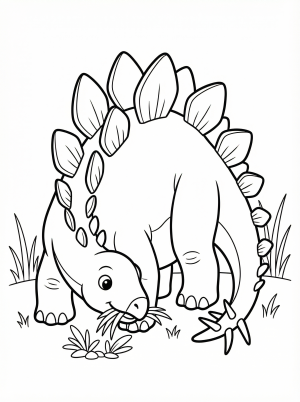
Educator's Guide to Triceratops Coloring Pages
The Educational Power of Triceratops
Exploring the world of Triceratops through coloring offers a wealth of developmental benefits and learning opportunities for children of all ages. This magnificent creature, renowned for its three facial horns and large bony frill, provides an engaging entry point into paleontology and biology. Coloring these detailed illustrations helps children develop a deeper understanding of anatomical features, such as the powerful beaklike mouth and sturdy legs designed for a herbivorous diet. Furthermore, engaging with the Triceratops specifically can enhance vocabulary as children learn terms like 'herbivore,' 'frill,' and 'Cretaceous period,' expanding their scientific lexicon. The act of coloring also cultivates an appreciation for Earth's ancient history, prompting questions about fossils, extinction events, and the vast timeline of life on our planet, transforming a simple activity into a profound learning experience.
Classroom & Home Learning Ideas
These Triceratops coloring pages can serve as versatile tools far beyond basic artistic expression, integrating seamlessly into various educational settings. One engaging classroom activity involves using the finished coloring sheets as a springboard for a mini research project where students identify and label the distinct parts of the Triceratops, such as its horns, frill, and beak. Another creative approach is to encourage children to design the ancient habitat around their colored dinosaur, drawing plants and other creatures that might have coexisted with it in the Late Cretaceous period, thus fostering an understanding of ecosystems. Teachers might also consider incorporating a storytelling element; after coloring, children can invent a short narrative about their Triceratops, perhaps describing its daily life, interactions with other dinosaurs, or a great adventure it undertakes. For home learning, parents could use the pages to introduce basic comparison and contrast exercises by having children identify similarities and differences between the Triceratops and other well known dinosaurs like Tyrannosaurus Rex, focusing on diet and defense mechanisms.
Artistic Development
Beyond factual learning, Triceratops coloring pages provide an excellent platform for developing sophisticated artistic skills. Encourage children to experiment with a diverse range of colors, considering both realistic depictions based on scientific theories about dinosaur coloration and imaginative, fantastical hues. A professional tip involves introducing the concept of shading to create depth and texture; suggest using lighter tones where light would naturally hit the Triceratops' scales and darker tones in areas of shadow, such as underneath the frill or within muscle contours. Furthermore, children can be guided to create a sense of movement or power by emphasizing the strong lines of the Triceratops' body and incorporating dynamic backgrounds. Exploring different coloring mediums, such as crayons, colored pencils, or even watercolors, can also teach children about varied artistic effects and how each medium interacts with the paper, enhancing their overall artistic proficiency and appreciation.
Coloring Tips & Techniques
- 1Discuss Triceratops anatomy: Point out the three horns and frill, explaining their likely defensive purpose.
- 2Encourage habitat creation: Ask children to draw or describe the prehistoric environment where a Triceratops would live.
- 3Integrate storytelling: Prompt kids to invent a short narrative about their Triceratops' day.
- 4Compare and contrast: Discuss similarities and differences between Triceratops and other dinosaurs.
- 5Explore fossil evidence: Explain how paleontologists learn about dinosaurs through their fossilized remains.
Our Quality Guarantee to Educators
We believe classroom resources should be high-quality and stress-free. Every worksheet on WorksheetSource is personally printed and tested by our team to ensure it fits standard 8.5" x 11" paper with clean, sharp outlines.
Frequently Asked Questions
What made the Triceratops so special among dinosaurs for kids?
The Triceratops stands out because of its striking appearance with three prominent horns and a massive bony frill. These features, along with its immense size, make it incredibly captivating for children. It was a plant eating dinosaur, which means it spent its days munching on prehistoric plants, unlike the meat eating Tyrannosaurus Rex. Its strong defensive features likely helped it ward off predators, making it a fascinating example of natural survival strategies in the ancient world.
How do these Triceratops coloring pages specifically aid a child's development?
These coloring pages significantly boost a child's development by refining fine motor skills and hand eye coordination as they carefully guide their coloring tools. They also stimulate creativity and imagination, allowing children to visualize and interpret the prehistoric world. Furthermore, they serve as a unique educational tool, introducing children to paleontological concepts, scientific vocabulary, and an early appreciation for natural history, all while fostering patience and concentration.
Triceratops Coloring in English