
Baby Dinosaurs Coloring Pages
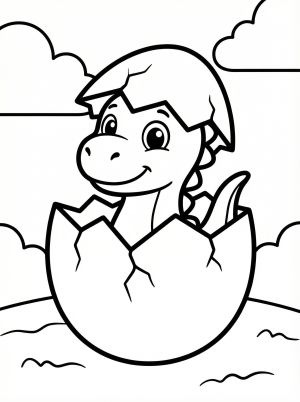
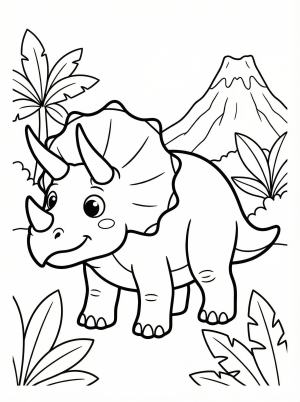
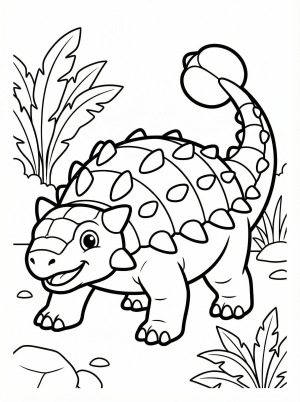
Step into a world of prehistoric wonder with our captivating collection of baby dinosaur coloring pages, designed to spark imagination and foundational learning. These expertly crafted printables offer more than just creative fun; they are invaluable tools for developing fine motor skills, color recognition, and an early appreciation for paleontology. Discover the perfect blend of entertainment and education, transforming screen time into an enriching experience for young learners.
Discover more Dinosaurs themes
Continue your creative journey with these other popular collections within the Dinosaurs archive.
Educator's Guide to Baby Dinosaurs Coloring Pages
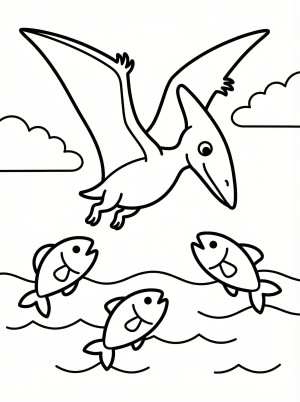
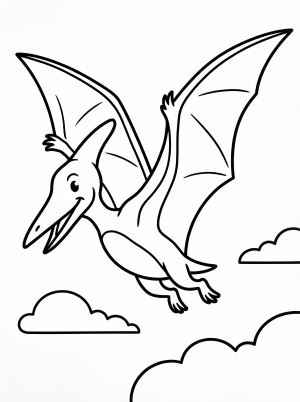
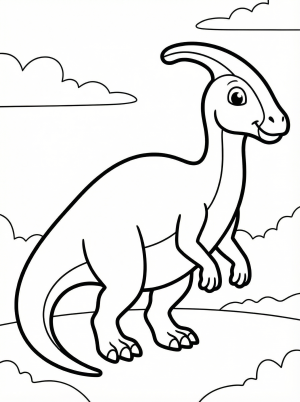
The Educational Power of Baby Dinosaurs Baby dinosaur coloring pages offer far more than simple entertainment; they serve as powerful conduits for significant early childhood development and foundational learning. Engaging with these prehistoric creatures through art stimulates cognitive growth, enhances fine motor skills, and cultivates an early appreciation for the natural world and scientific inquiry. As children select colors and meticulously fill in outlines, they actively refine hand eye coordination and develop crucial pencil grip strength, essential precursors to writing. Furthermore, choosing colors and deciding how to represent a dinosaur, whether realistically or fantastically, encourages creative problem solving and fosters imaginative play. These pages introduce children to a diverse vocabulary, allowing them to learn names of various dinosaur species and understand basic concepts of size, shape, and environment. The gentle, approachable nature of baby dinosaurs makes complex prehistoric themes accessible and exciting, transforming abstract scientific concepts into tangible, artistic exploration. This engagement builds concentration span and provides a focused activity that supports emotional regulation and self expression.
Classroom & Home Learning Ideas Beyond merely filling in shapes with color, baby dinosaur coloring pages can be integrated into a rich tapestry of learning activities within both classroom and home environments. One creative approach involves using the completed artwork as a springboard for imaginative storytelling; children can describe the adventures their colored baby dinosaur embarks upon, developing narrative skills and verbal fluency. Another engaging strategy transforms the coloring process into a research expedition; parents and teachers can introduce a simple fact about each dinosaur before coloring begins, such as what it ate or where it lived, thereby blending art with early science education. Furthermore, these pages can become components of a larger art project where children create a dinosaur habitat around their colored creature using construction paper, natural elements, or drawing their own unique backgrounds, enhancing spatial reasoning and artistic composition. Teachers might also consider printing multiple copies of the same baby dinosaur at different scales, prompting discussions about size comparison and relative proportion, fostering mathematical thinking. Finally, integrating these sheets into a thematic unit on dinosaurs allows for cross curricular connections, linking art to reading through dinosaur storybooks and to science through discussions about fossils and ancient Earth discoveries.
Artistic Development Baby dinosaur coloring pages provide an excellent platform for children to explore and refine various artistic techniques and concepts, moving beyond basic color application. Encouraging children to experiment with different art mediums, such as crayons, colored pencils, markers, and watercolors, helps them understand how each tool produces unique textures and effects, expanding their artistic toolkit. For instance, using colored pencils allows for layering and blending, enabling children to create subtle variations in a dinosaur's skin tone or to add depth through shading. Another professional tip is to guide children in considering the light source in their artwork; by suggesting they imagine where the sun or a light is shining, they can learn to add lighter and darker shades to give their dinosaurs a three dimensional appearance. Furthermore, children can be encouraged to think about texture, perhaps using short, choppy strokes for scaly skin or long, smooth strokes for soft fur or plant life in the background. Incorporating details such as adding simple background elements like leaves, rocks, or a volcano, teaches principles of composition and encourages a more holistic approach to art creation. Emphasizing the importance of staying within the lines, while not stifling creativity, significantly strengthens fine motor control and precision, fundamental skills for future artistic endeavors and academic tasks.
Expert Teaching Tips
- 1Encourage imaginative storytelling by asking 'What adventure is your baby dinosaur having today?'
- 2Introduce dinosaur names and basic facts as children color, enriching their vocabulary and early science knowledge.
- 3Vary coloring tools—crayons, pencils, markers, or paints—to develop diverse fine motor skills and tactile experiences.
- 4Display finished artwork prominently to boost confidence, celebrate creativity, and encourage further artistic exploration.
- 5Discuss dinosaur habitats or food sources while coloring to connect art with science and environmental awareness.
Our Quality Commitment
We personally print and test every baby dinosaurs design. We guarantee crisp, bold lines optimized for 8.5" x 11" paper.
Frequently Asked Questions
What are the best ways to introduce baby dinosaurs to very young children?
For very young children, introducing baby dinosaurs should focus on simplicity and engagement. Start with easily recognizable dinosaurs like a T Rex or Triceratops and use large, clear illustrations. Pair coloring activities with age appropriate picture books about dinosaurs and incorporate playful sounds or movements. Focus on basic facts like size (small for baby dinosaurs) and what they might eat, rather than complex scientific names or theories. Making it a multi sensory and joyful experience is key to sparking early interest without overwhelming them.
How do baby dinosaur coloring pages specifically aid early childhood development?
Baby dinosaur coloring pages contribute significantly to several areas of early childhood development. They enhance fine motor skills and hand eye coordination as children learn to grip coloring tools and control their movements within lines. Cognitively, they promote color recognition, shape identification, and visual discrimination. The act of choosing colors and imagining a dinosaur's world stimulates creativity and imaginative play. Furthermore, discussing the dinosaurs while coloring builds vocabulary and introduces basic scientific concepts, fostering early language development and an inquisitive mindset. This focused activity also helps improve concentration and attention span, crucial for future learning.