
Shamrocks Coloring
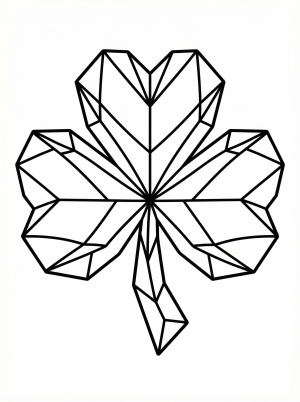
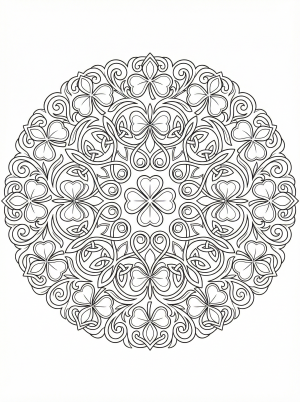
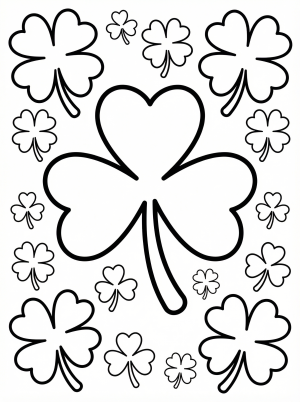
Step into a world of vibrant green with our exquisite collection of shamrock and clover coloring pages. These carefully designed resources offer more than just creative fun; they provide a unique opportunity to explore nature, symbolism, and cultural heritage, perfect for enhancing learning at home or in the classroom.
Discover more St. Patrick's Day themes
Continue your creative journey with these other popular collections within the St. Patrick's Day archive.
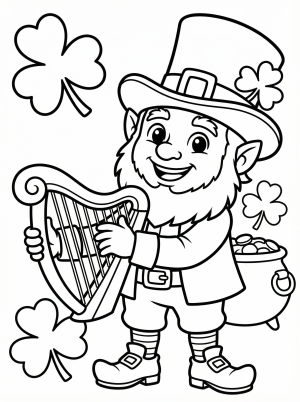
Educator's Guide to Shamrocks Coloring Pages
The Educational Power of Shamrocks
Shamrocks, often mistaken simply for lucky symbols, are botanically recognized as young sprigs of clover, typically from the species Trifolium repens, or white clover. This humble plant holds immense educational value, transcending mere artistic expression to encompass biology, history, and cultural studies. From a scientific perspective, exploring the shamrock introduces children to basic botany, including plant identification, leaf structure, and the concept of photosynthesis. Teachers and parents can discuss how plants grow, the conditions they need to thrive, and their ecological role within various ecosystems, fostering an early appreciation for the natural world. Historically and culturally, the shamrock is deeply intertwined with Irish heritage and the legend of Saint Patrick, who is said to have used its three leaflets to explain the Holy Trinity. This provides a rich context for discussions on history, religious symbolism, and national identity, connecting art to broader human stories and traditions. Understanding the shamrock's significance helps children grasp how plants can become powerful symbols, representing luck, faith, and cultural pride across different societies.
Classroom & Home Learning Ideas
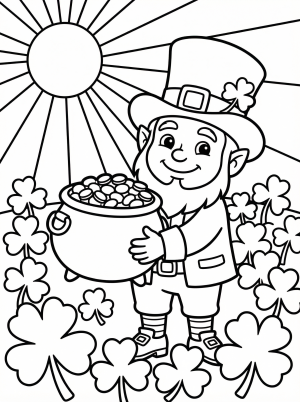
Beyond simply coloring, these shamrock pages can be transformative educational tools, stimulating various developmental areas. One effective approach involves integrating a botany lesson where children examine actual clover plants, identifying the three leaflets and comparing them to the illustrations on their coloring pages. Furthermore, discussing the rarity of a four leaf clover versus a common shamrock introduces concepts of probability and genetic variation in a tangible way. Another engaging activity is to use the finished coloring pages as prompts for storytelling or creative writing; children can invent tales about a lucky shamrock, a magical forest where clovers grow, or even an adventure with a tiny leprechaun. Teachers might also consider incorporating these pages into a St. Patrick's Day unit, where students learn about Irish geography, traditional music, and folklore, using their colored shamrocks to decorate a classroom display about Ireland. For younger learners, these pages can be utilized for pattern recognition exercises, where children are encouraged to color alternating sections in different shades of green or to count the leaflets on each shamrock image, thus subtly reinforcing early mathematical skills.
Artistic Development
Coloring shamrocks offers a wonderful opportunity to refine artistic skills and explore advanced techniques, moving beyond simple fill in the lines. Encourage children to experiment with different shades of green, demonstrating how varying hues can create depth and realism, just as found in nature. For instance, using a lighter green for the center of the leaf and gradually blending to a darker green towards the edges can simulate natural light and shadow. Furthermore, introducing the concept of texture, artists can use small, circular strokes with crayons to create a soft, velvety feel on the leaves or employ fine lines with colored pencils to suggest delicate veins. Discussing light sources is also beneficial; where would the light be hitting the shamrock, and where would shadows naturally fall? This encourages critical observation and spatial reasoning. Experimentation with different coloring mediums, such as watercolors for a soft blend or markers for bold, vibrant hues, can also broaden a child's artistic repertoire. Emphasizing clean edges and controlled strokes helps improve fine motor control and hand eye coordination, foundational skills essential for drawing and writing. By focusing on these elements, each shamrock coloring page becomes a canvas for genuine artistic exploration and skill development.
Coloring Tips & Techniques
- 1Discuss the botanical differences between a shamrock and other clover types while coloring.
- 2Integrate the coloring activity with a lesson on Irish culture or St. Patrick's Day history.
- 3Challenge children to use at least three different shades of green to add depth and realism.
- 4Encourage observation of real plants, comparing their textures and colors to the artwork.
- 5Use the completed shamrock pages to create a 'Lucky Leaf' nature journal or story.
Our Quality Guarantee to Educators
We believe classroom resources should be high-quality and stress-free. Every worksheet on WorksheetSource is personally printed and tested by our team to ensure it fits standard 8.5" x 11" paper with clean, sharp outlines.
Frequently Asked Questions
What is the true difference between a shamrock and a four leaf clover for kids?
A shamrock is actually a young sprig of clover, typically displaying three leaves, and is a common plant. It became famous through Saint Patrick's teachings. A four leaf clover, on the other hand, is a rare genetic mutation of the clover plant where it grows an extra leaflet. While both are types of clover, the shamrock is a common botanical term with cultural significance, and the four leaf clover is distinguished by its rarity and association with extra luck.
How do these shamrock coloring pages help with a child's development?
These coloring pages significantly aid developmental growth by enhancing fine motor skills and hand eye coordination as children carefully color within lines and apply different pressures. They boost cognitive abilities through color recognition, pattern following, and focus. Furthermore, the activity stimulates creativity and imagination, while culturally themed pages like shamrocks can spark curiosity about history, geography, and traditions, broadening a child's worldview and encouraging early learning.
Shamrocks Coloring in English