
Alphabet Coloring Pages Coloring Pages
Dive into the foundational world of literacy with our expertly curated collection of alphabet coloring pages. These engaging resources are meticulously designed to transform letter learning into an exciting adventure, laying a crucial groundwork for reading and writing success. Discover how combining artistic expression with early education creates powerful, lasting learning experiences for young minds.
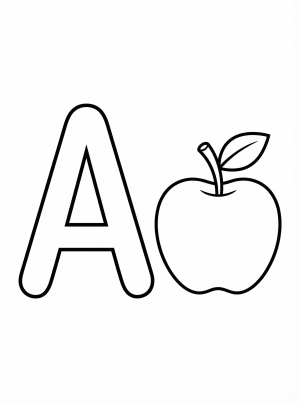

Educator's Guide to Alphabet Coloring Pages Coloring Pages
The Educational Power of Alphabet Coloring Pages Alphabet coloring pages serve as an exceptionally powerful pedagogical tool, far surpassing mere entertainment for young children. Engaging with these sheets actively cultivates fundamental early literacy skills, beginning with precise letter recognition. Children learn to visually identify and differentiate between uppercase and lowercase letters, a critical first step in their reading journey. Furthermore, this activity naturally introduces foundational phonics by associating the visual representation of each letter with its corresponding sound, strengthening auditory processing and preparing them for decoding words. The meticulous act of coloring within defined lines also significantly enhances fine motor skills, refines hand eye coordination, and develops the pincer grasp essential for future handwriting proficiency. Beyond the motor and literacy benefits, these pages stimulate cognitive development by requiring focus, concentration, and sustained attention, which are vital for academic success across all subjects. They can also expand vocabulary as children discuss the images related to each letter, linking concepts and building a richer language foundation. Ultimately, alphabet coloring pages provide a joyful and interactive gateway into the world of letters, transforming abstract symbols into tangible, engaging learning experiences that build a robust foundation for reading and writing success.
Classroom & Home Learning Ideas Maximizing the educational impact of alphabet coloring pages involves integrating them into diverse learning activities both in educational settings and within the home environment. One highly effective strategy is to transform the coloring process into a letter scavenger hunt. After a child colors a specific letter, encourage them to search for objects around the room or house that begin with that very letter, thereby reinforcing initial sound recognition and letter association in a hands on manner. Another engaging approach involves fostering early storytelling abilities; prompt children to invent a short narrative or description for the object featured on the page or simply about the letter itself, using words that start with that particular letter, which enhances creative thinking and expands vocabulary. Furthermore, compiling the completed pages into a personalized alphabet book creates a tangible record of their learning journey and instills a sense of accomplishment. This handmade book can then be used repeatedly for review and shared with family members, extending its educational utility. Teachers might also consider incorporating these pages into phonics practice sessions, asking children to articulate the sound of the letter aloud as they color it and identify other words that share that initial sound, making the learning multi sensory and deeply immersive.
Artistic Development Beyond their literacy benefits, alphabet coloring pages offer a rich landscape for artistic and creative development in young learners. The very act of holding a crayon or marker and meticulously working within boundaries significantly strengthens fine motor skills and refines pencil grip, preparing small hands for more complex writing tasks. Children also develop improved hand eye coordination as they navigate the contours of each letter and image. Furthermore, these pages provide an accessible canvas for exploring fundamental elements of art, such as color theory. Encouraging children to experiment with different color combinations, perhaps choosing warm colors for one section and cool colors for another, fosters an understanding of how colors interact and evoke feelings. Professional tips for nurturing artistic growth include inviting children to use a variety of coloring mediums, such as crayons, colored pencils, or even washable markers, to experience different textures and application techniques. Discussion around staying within the lines can be gentle, focusing on control and precision without stifling creativity. Most importantly, allow children the freedom to express themselves through their chosen colors and even add their own imaginative details to the pages, cultivating self expression and artistic confidence.
Expert Teaching Tips
- 1Integrate letter sounds: Say the letter sound aloud repeatedly while children color each letter.
- 2Create an alphabet book: Assemble all finished pages into a personalized ABC book for review.
- 3Multi-sensory exploration: Pair coloring with tactile letter tracing or letter formation using playdough.
- 4Vocabulary expansion: Discuss multiple words starting with the letter featured on the coloring page.
- 5Storytelling prompts: Encourage children to invent a short story about the letter or accompanying image.
Our Quality Commitment
We personally print and test every alphabet coloring pages design. We guarantee crisp, bold lines optimized for 8.5" x 11" paper.
Frequently Asked Questions
At what age are alphabet coloring pages most beneficial for children?
Alphabet coloring pages offer significant developmental benefits for children typically aged 2 to 6 years, spanning preschool through early kindergarten. While toddlers around two years old benefit from the fine motor skill development and early exposure to letter shapes, children aged three to five are ideally positioned to grasp letter recognition, initial phonics concepts, and prewriting skills more deeply. Individual readiness varies greatly, but the engaging nature of these pages ensures that children can learn at their own pace, making them a versatile tool across various early learning stages.
How do these coloring pages specifically contribute to a child's development?
These coloring pages are powerful developmental tools that contribute to several key areas. They significantly enhance fine motor skills and hand eye coordination as children learn to grip coloring tools and stay within lines, which builds foundational strength for writing. Cognitively, they foster letter recognition, visual discrimination, and concentration. Furthermore, when used interactively, they support early literacy by associating letter shapes with sounds, expanding vocabulary, and encouraging language development through discussions about the letters and accompanying images. They also provide an outlet for creativity and self expression, building confidence.