
Easter Eggs Coloring
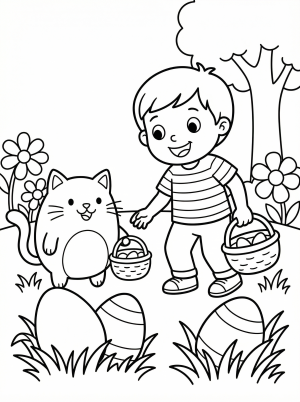
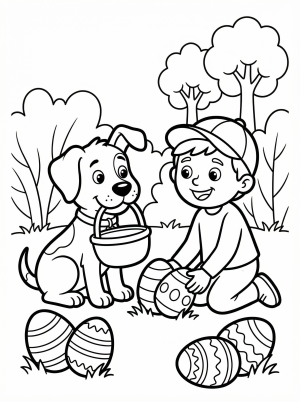
Welcome to our premium collection of Easter Egg coloring pages, meticulously designed to foster creativity and foundational learning skills. These engaging resources provide a wonderful opportunity for children to explore color, pattern, and the rich cultural traditions surrounding Easter, making learning both fun and meaningful.
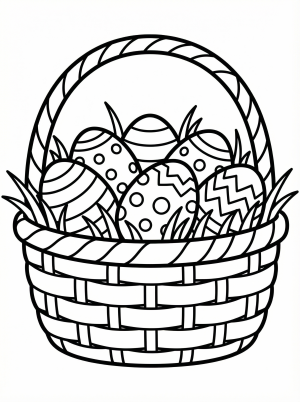
Discover more Easter themes
Continue your creative journey with these other popular collections within the Easter archive.
Educator's Guide to Easter Eggs Coloring Pages
The Educational Power of Easter Eggs Easter eggs are much more than just a festive symbol; they offer a rich tapestry of educational opportunities for children of all ages, extending far beyond simple seasonal fun. Historically, eggs have universally represented new life and rebirth across various cultures and mythologies, a profound concept that can introduce compelling discussions about natural cycles, biological processes, and the changing seasons. Furthermore, the intricate and often symbolic designs found on Easter eggs, from the detailed Ukrainian pysanky to the vibrant Polish pisanki and modern artistic interpretations, provide an excellent avenue for exploring cultural diversity, folk art traditions, and the broader history of art. Children naturally develop an enhanced appreciation for patterns, symmetry, and diverse artistic expressions while engaging with these visually stimulating designs. Coloring these eggs can also serve as an accessible introduction to basic geometric shapes and spatial reasoning, as young artists consider how different lines, shapes, and colors interact within the elegant oval form, thereby fostering early mathematical thinking and visual literacy in a joyful and engaging context. This hands on exploration supports cognitive development in a unique way.
Classroom & Home Learning Ideas Beyond merely coloring, these versatile Easter egg pages can be thoughtfully integrated into a wide range of enriching educational activities suitable for both the structured classroom environment and the creative home learning space. One particularly engaging idea involves encouraging children to research the cultural significance of Easter eggs in different countries around the globe, subsequently inspiring them to decorate their coloring pages in styles representative of those unique traditions, effectively combining art with invaluable global studies and social awareness. Another remarkably creative approach is to utilize the finished colored eggs as compelling visual prompts or templates for a captivating story writing activity; children might imagine where their beautifully decorated egg originated or what magical properties it possesses, thereby significantly enhancing their narrative skills, imaginative thinking, and expressive language abilities. Teachers might also consider incorporating these pages into an interactive pattern recognition and sequencing game, specifically asking children to identify, extend, and replicate various color or design sequences displayed on the eggs. Furthermore, collaboratively creating a vibrant classroom mural or a gallery of 'Masterpiece Eggs' from individually colored pages can profoundly foster teamwork, a strong sense of community, and a deep appreciation for shared artistic achievement among all participating students, building confidence and pride.
Artistic Development Engaging thoughtfully with Easter egg coloring pages presents a fantastic and accessible opportunity for children to refine a comprehensive array of artistic skills and creative techniques. Young artists can enthusiastically experiment with a diverse range of artistic mediums, moving confidently beyond conventional crayons to explore the nuanced textures and blending possibilities offered by colored pencils, vibrant markers, soft pastels, or even delicate watercolors, each providing unique expressive qualities. Developing precise fine motor control is absolutely paramount for early childhood development, and the act of carefully coloring within the often intricate lines of elaborate egg designs helps significantly strengthen essential hand eye coordination, dexterity, and unwavering precision, all of which are critical foundational skills for future writing, detailed drawing, and everyday tasks. Encouraging children to actively think about fundamental color theory principles, such as using harmonious or complementary colors, creating smooth gradient effects, or understanding value contrasts, elevates the activity from simple filling to a deeply thoughtful and intentional artistic endeavor. This holistic approach ensures that each coloring session contributes significantly and joyfully to a child's overall artistic growth and creative confidence.
Coloring Tips & Techniques
- 1Discuss cultural egg traditions before coloring to enrich understanding.
- 2Encourage experimentation with various coloring tools for textural variety.
- 3Prompt children to create unique patterns, fostering design thinking.
- 4Use the completed pages to inspire creative storytelling about the eggs.
- 5Focus on precise coloring to enhance fine motor skills and hand eye coordination.
Our Quality Guarantee to Educators
We believe classroom resources should be high-quality and stress-free. Every worksheet on WorksheetSource is personally printed and tested by our team to ensure it fits standard 8.5" x 11" paper with clean, sharp outlines.
Frequently Asked Questions
What age group benefits most from Easter egg coloring pages?
Easter egg coloring pages are incredibly versatile and beneficial for a wide range of ages. Younger children, typically aged 2 to 5, benefit from developing fine motor skills and color recognition, while older children, from 6 to 10, can explore more intricate designs, practice pattern creation, and even delve into cultural symbolism. The complexity of the designs available allows for differentiation, ensuring engagement and learning for all.
How do Easter egg coloring pages specifically aid child development?
These pages contribute significantly to several key developmental areas. They refine fine motor skills and hand eye coordination through careful coloring, which are crucial for writing readiness. They also spark creativity, imagination, and self expression as children choose colors and patterns. Furthermore, the act of completing a page builds focus, concentration, and a sense of accomplishment, boosting self esteem. Discussions around the designs can also foster early pattern recognition and cultural awareness.
Easter Eggs Coloring in English