
Duck Mallard Drake Printable
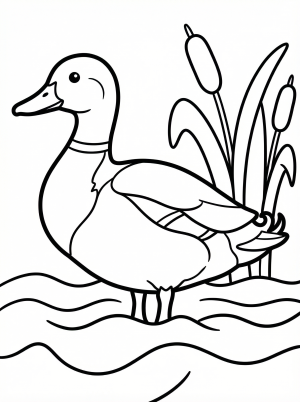
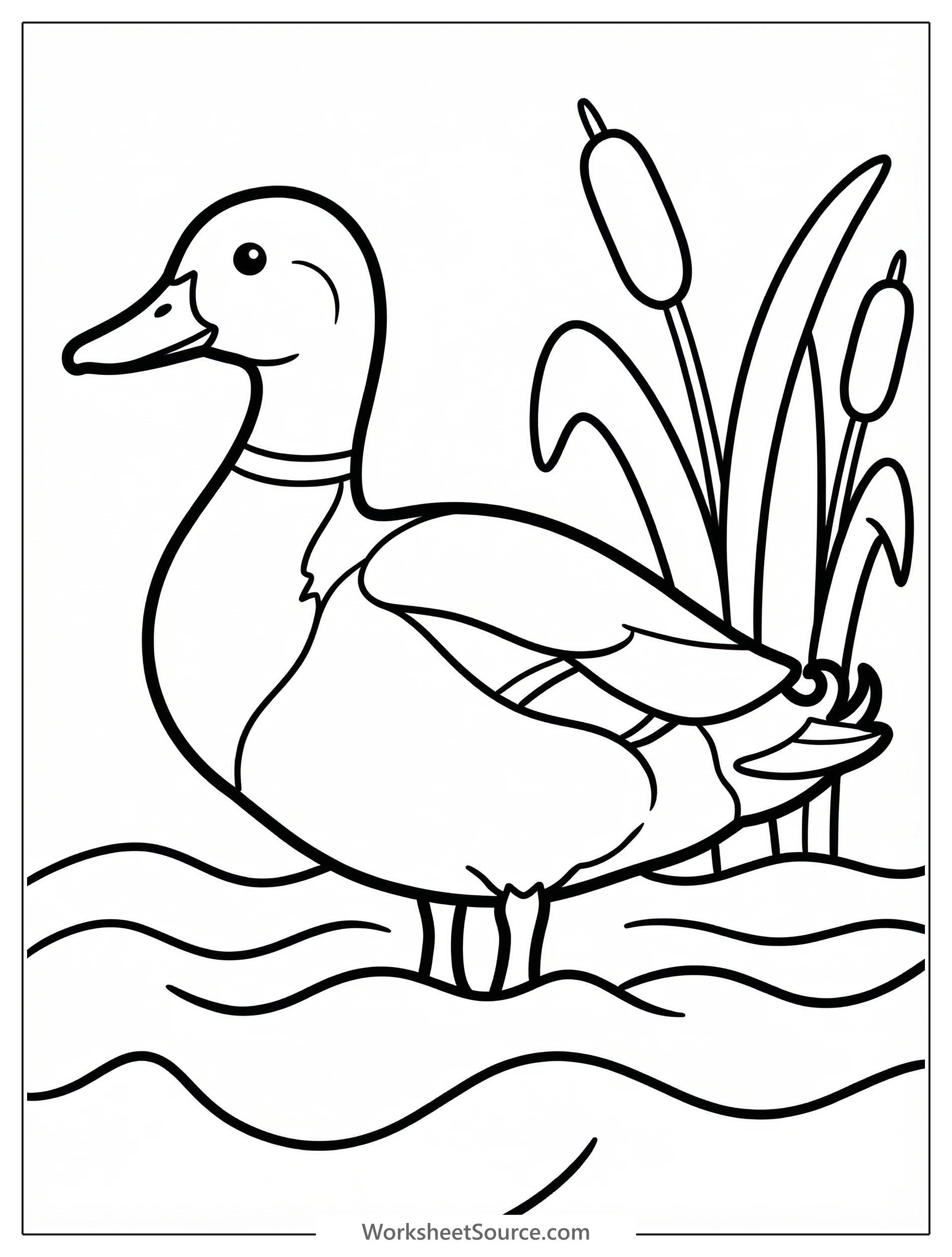
Ignite young minds with our free printable mallard duck coloring page. Foster creativity, boost fine motor skills, and introduce animal science for children. A delightful, educational activity.
Instant AccessGet the PDF
- Resolution
- 300 DPI
- Difficulty
- Easy
Educator's Guide & Activity Ideas
Mallard ducks are among the most recognizable waterfowl, and the male, known as a drake, sports remarkably vibrant plumage. Did you know a drake’s distinctive green head feathers aren't always green? They are iridescent, meaning their color changes with the light, often appearing blue or even purple depending on the angle and sunlight. This captivating display is a key feature in attracting a mate, showcasing nature's brilliant artistry and design in the wetlands.
Engaging with an accurate depiction of an animal offers more than just artistic expression. When young learners color an anatomically correct mallard, they are not only developing crucial fine motor skills through careful crayon control but also building visual literacy and observation abilities. Understanding the real-world appearance of creatures fosters a deeper appreciation for biology and encourages early science exploration, making learning about nature a tangible and enjoyable experience. This specific duck coloring page helps children identify key features of the male mallard, reinforcing their knowledge of bird anatomy and colors.
For classroom teachers, integrate this printable duck coloring sheet into a unit on waterfowl or local wildlife by having students identify and label the distinct parts of the drake, like the speculum or yellow bill. At home, parents can turn coloring into a delightful nature detective game by asking their child to spot real mallards at a local park or pond and compare their findings to the colored illustration. Discussing the different colors and shapes they observe both on the page and in real life enhances descriptive language skills and strengthens their connection to the natural environment, promoting curiosity and discovery.
Curriculum Standard Alignment
This educational coloring activity supports early science learning by introducing animal identification and natural characteristics, while enhancing fine motor skills essential for literacy development. It also fosters creativity and a mindful connection to the natural world.
Discussion Starters for Teachers & Parents
What makes this male mallard look so special and different from other ducks you might have seen?
If you were a wildlife artist, what new colors might you use to make your mallard stand out, and why?
Why do you think animals like this duck have different colored feathers in nature?
Coloring Tips & Techniques
Encourage your child to use shades of emerald green for the head and warm chestnut brown for the breast feathers to capture the mallard's vibrant look. Suggest adding lighter yellow to the bill and darker gray for the body. Experiment with gentle shading to give the duck a three-dimensional appearance.
Educational Milestones
- Fine Motor PrecisionRefines small muscle movements in the hands and fingers, essential for writing readiness.
- Spatial AwarenessHelps children understand boundaries, lines, and shapes in a structured environment.
Recommended For
Preschool & Elementary Learners
Frequently Asked Questions
Our Quality Guarantee to Educators
We believe classroom resources should be high-quality and stress-free. Every worksheet on WorksheetSource is personally printed and tested by our team to ensure it fits standard 8.5" x 11" paper with clean, sharp outlines.
Classroom & Personal Use
Yes! All our coloring pages are free for personal, classroom, and homeschool use. Print as many as you need.
Paper & Print Sizes
Every design is formatted for US Letter (8.5 x 11"). We recommend printing at 100% scale for best line crispness.
Digital Tablet Use
Absolutely. Our PDFs work perfectly in digital coloring apps like Procreate, GoodNotes, and similar tablet software.